How to Anchor a Boat Safely in Different Water Conditions
Anchoring is a basic skill that separates confident boaters from anxious ones. Done correctly it keeps your boat secure, protects the environment and reduces risk to people and property.
This guide gives clear, practical steps for anchoring in calm bays, tidal currents, wind, and rocky or weedy bottoms. Follow these techniques and checklists to anchor effectively and reduce surprises on the water.
Anchor types and the right gear
Select an anchor that suits your boat size and the bottom type. Fluke-style anchors grip well in sand and mud; plow and plough designs work better in mixed bottoms. For small pontoons and runabouts the SandShark Premium Fluke Anchor is an example of a compact, lightweight fluke anchor that stores easily.
Your rode (chain + rope) should match the anchor and boat. A short length of chain improves bite and reduces chafing; nylon rope provides shock absorption. Consider a quality braided nylon line such as Boat Anchor Rope 3/8 inch 50ft for small to medium boats.
Understanding scope, setting, and checking your anchor
Scope is the ratio of rode length to water depth (including freeboard). As a rule of thumb: calm conditions 5:1, normal conditions 7:1–8:1, heavy wind or current 10:1 or more. Lower your anchor slowly to the bottom, then reverse gently under power to set it. Feel for a solid bite and watch the chain lay out horizontally.
Use snubbers or a stretchable section of line to take load off the windlass and reduce shock. For tying to shore or cleats, strong mooring lines like Boat Dock Lines 1/2" x 15′ can also be used as temporary snubbers or dock ties when shifting to a mooring or dock.
Anchoring in calm, sheltered water
Calm bays and protected coves are straightforward: pick a spot clear of navigation channels and well off from other anchored boats. Aim for clean sand or mud and avoid eelgrass beds when possible.
Approach slowly into wind or current, drop anchor, let out 5:1 scope and back down until you confirm the anchor is set. Check your GPS position or pick a bearing to shore and monitor for any drift for the first 15–30 minutes.
Anchoring in tidal currents and strong flow
In rivers, tidal estuaries, and channels with current, consider a heavier anchor and more scope. Positioning matters: anchor from the location that gives you the best clearance at both high and low water.
When current direction reverses (tidal change), the boat can yaw aggressively. To reduce strain, use tandem anchors (two anchors in a V) or a heavier single anchor with extra scope. Have good communication and enough crew when deploying additional anchors.
Anchoring in wind and storms
Wind increases load and can push you into other hazards. When expecting high winds, increase scope, choose a sheltered location, and consider using a larger anchor or tandem anchors. If conditions worsen, prepare to weigh anchor and move to safer water or a marina.
Always carry proper safety gear: a US CG‑approved life jacket for every person. For compact automatic inflation you can choose models like the BLUESTORM Stratus 35 Inflatable Life Jacket for adults, and be sure children have fitted life jackets.
Anchoring on rocky, weedy, or mixed bottoms
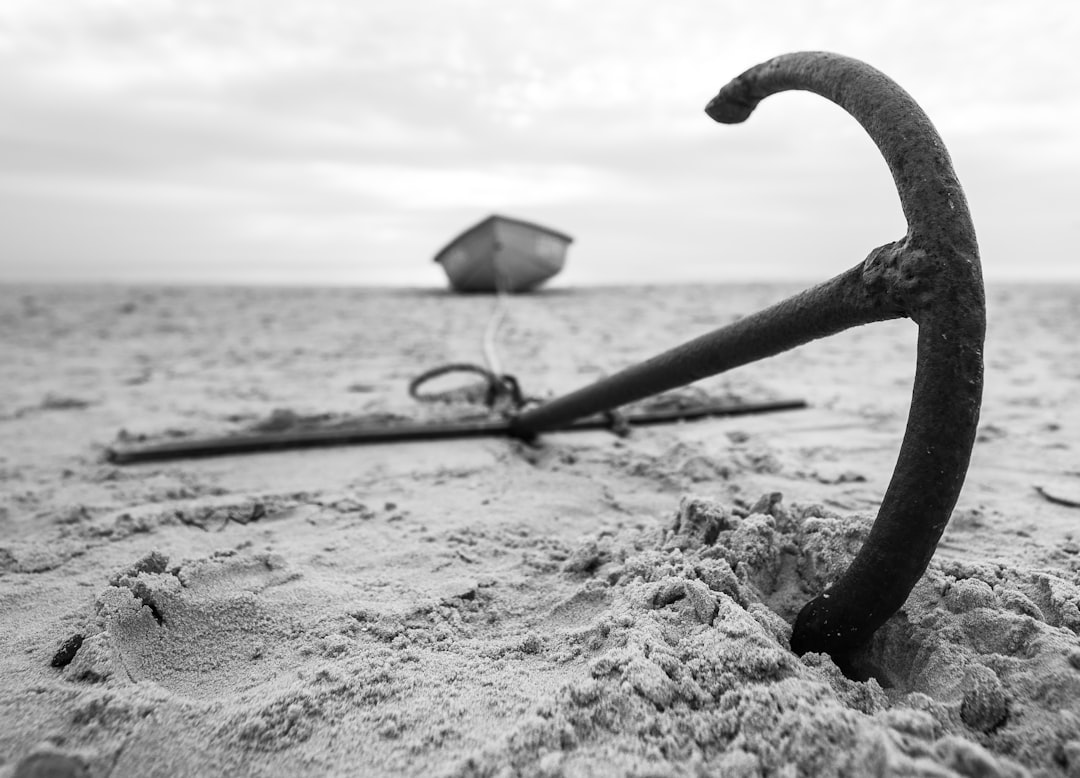
Rocks and weeds reduce anchor holding power. In rocky areas use anchors designed to hook into crevices or consider a grapnel for temporary holding in small boats. In heavy weed, anchors can drag—use extra scope or a larger fluke/plow to get below vegetation. Avoid anchoring where you may damage sensitive habitats.
When close to shore or piers, protect your boat with bumpers. Inflatable options like Inflatable Boat Bumpers for Docking cushion contact if you swing unexpectedly in wind or current.
Special considerations for pontoons and yachts
Pontoons swing more and present a larger wind profile—position them so they won’t be pushed into shallow water or obstacles when the wind shifts. Shorter scope and lighter anchors risk dragging; use anchors sized for the boat’s windage and consider a heavier model or back-up anchor.
For larger yachts, consider additional fittings and heavy-duty rode. If you plan to leave the boat unattended, secure hatches and covers, and protect upholstery with covers like pontoon covers and check fenders and dock lines before leaving the slip.
Safety gear to keep on board
Anchoring increases exposure to hazards: a thrown anchor line, sudden drift, or a man-overboard scenario. Keep emergency items accessible: whistles, signals, first aid and fire protection. A compact emergency kit such as the Sirius Signal MK-1001 Boating Safety and Emergency SOS Kit provides visual and audible signaling plus basic first aid.
Also stow a dedicated first-aid kit like the VRIEXSD 400 Piece First Aid Kit and keep a whistle handy for close-range alarm—see options in the Boat Safety Whistles category.
Setting a watch and regular checks
After anchoring, check these routinely: anchor scope, position relative to fixed bearings or GPS, nearby boat traffic, and the anchor’s bite. Nighttime requires additional vigilance—use proper anchor lights and keep a VHF radio tuned for channel traffic. Be ready to re-anchor or move if you observe dragging.
- Confirm anchor type and weight are appropriate for conditions.
- Use appropriate scope: calm 5:1, normal 7–8:1, heavy 10:1+.
- Include chain or a short heavy section for better bite.
- Deploy anchor slowly and back down to set; test by observing position/GPS.
- Keep safety gear accessible: life jackets, signals, first aid, whistle.
- Re-check position after 15–30 minutes and periodically thereafter.
Checklist before you drop anchor
- Check depth and bottom type on chart or sounder.
- Verify swing room to other boats, rocks, and shore at both high and low tide.
- Select and ready anchor, chain, and line; attach snubber if used.
- Assign roles: who drops anchor, who monitors stern, who handles lines.
- Put on life jackets if conditions are rough or crew are inexperienced.
- Turn on navigation/anchor lights after sunset; set GPS anchor alarm if desired.
FAQ
- Q: How much anchor line should I let out?
A: Use scope based on conditions—5:1 in calm, 7–8:1 normal, 10:1+ in heavy wind or current. - Q: How do I know my anchor is dragging?
A: Watch GPS position, fixed bearings to shore, and the chain’s angle. If you drift, weigh anchor and reset in a better spot. - Q: Can I use a single anchor in strong currents?
A: Often yes if it’s heavy and set with extra scope; in reversing tidal flows or extreme conditions consider tandem anchors or a heavier anchor. - Q: What if the anchor snags on rocks?
A: Attempt to change the angle of pull, motor in a circle to free it, or use a trip line if previously deployed. If unsuccessful, cut the rode and mark position for later recovery. - Q: Are electric windlasses safe for anchoring?
A: Yes when maintained and used with caution. Always have a manual backup or a means to release the anchor if the motor fails.
Anchoring well is about preparation, correct gear, and steady verification. Use appropriate anchors and rode, give yourself plenty of swing room, and keep safety equipment accessible. These steps minimize problems and let you enjoy time at anchor with confidence.
Practical takeaway: choose the right anchor and rode for the bottom and conditions, set ample scope, confirm the anchor has a solid bite, and keep safety gear—life jackets, signalling devices and first aid—within reach.
Products Featured in This Article
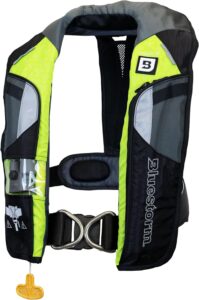
BLUESTORM Stratus 35 Inflatable Lif…
Product description Glowspot Bladder This life jacket includes a new advanced air chamber material by Erez….
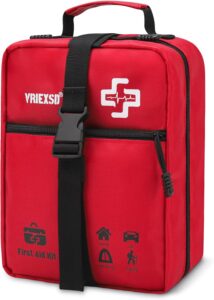
VRIEXSD 400 Piece Large First Aid K…
Product description TRY VRIEXSD FIRST AID KIT VRIEXSD hope that every user can have a calm…
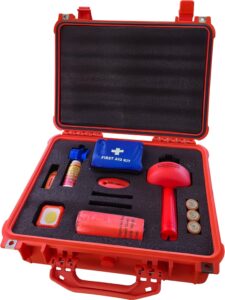
Sirius Signal MK-1001 Boating Safet…
Product description The video showcases the product in use.The video guides you through product setup.The video…
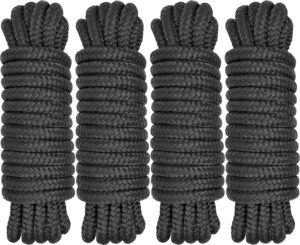
Boat Dock Lines 1/2″ x 15R…
From the brand Shop 1/2 Inch Boat Dock Lines Shop 5/8 Inch Boat Dock Lines Shop…
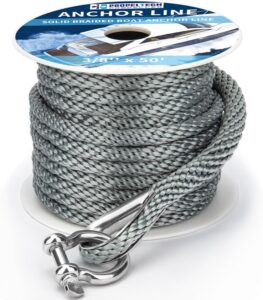
Boat Anchor Rope 3/8 inch 50ft Prem…
From the brand Anchor line and propeller Dock line and propeller Dock line and propeller 1.[…
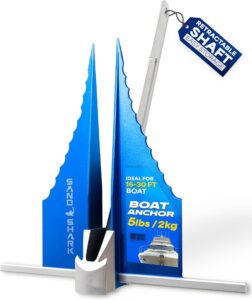
SandShark Premium Fluke Anchor-Retr…
From the brand How did we get our start? SandShark is a family owned, US based…
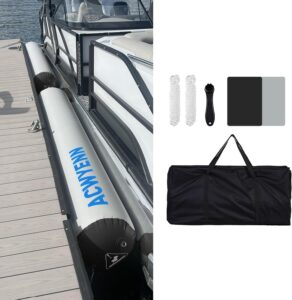
Inflatable Boat Bumpers for Docking…
Boat Fender GREAT FOR BOAT PROTECTION: ACWYENN inflatable boat fender offers great boat protection when tying…
