First-Time Boat Buyer’s Guide: What Every Beginner Should Know
Buying your first boat is exciting, but it can also be overwhelming. This guide walks you through the practical steps—choosing the right type, setting a realistic budget, prioritizing safety, and selecting the key accessories you’ll use most.
Keep decisions simple: focus on how you’ll use the boat, a realistic total cost of ownership, and a basic safety and maintenance plan. Below are clear sections to help you make confident choices as a new boat owner.
1. Define your boating goals
Start by asking what you’ll do most: day cruising with family, freshwater fishing, watersports, or weekend anchoring. Your answers determine hull type, size, power and storage needs. For an easy way to compare gear and accessories tailored to different activities, check the main catalog at US Nautics to see popular options and prices.
2. Choose the right boat type for beginners
Popular first boats include pontoons (stable, comfortable for families), bowriders (good for cruising and watersports), and small fishing boats for anglers. If fishing is a leading use, plan the layout around rod storage, livewells, and non-slip decks. Look through dedicated categories like Fishing Boat Accessories to see what anglers commonly add and how layouts differ.
3. Budget for purchase and ongoing costs
Don’t stop at the sale price. Include these recurring or one-time costs: fuel, regular maintenance, winterization, insurance, slip or storage fees, trailer maintenance, registration and basic accessories. Accessories and storage solutions add up—budget for practical items like a quality tackle box, covers and basic tools. A rugged organizer such as the KastKing HyperSeal Waterproof Tackle Box can help protect gear and reduce replacement costs over time.
4. Safety essentials and regulations
Safety items are mandatory in most jurisdictions and non-negotiable for smart new owners. Your checklist should include wearable flotation devices sized for every passenger, sound-signaling devices, navigation lights, visual distress signals and an extinguisher. For compact, easy-to-store life jackets designed for small boats, see options in Inflatable Boat Life Jackets. Always verify local requirements before leaving the dock.
5. Onboard emergency and first-aid preparedness
Beyond PFDs and flares, carry a marine-rated first aid kit and basic repair items (hose clamps, spare fuses, multiline, duct tape). A dedicated marine kit is built for the boat environment and keeps items dry and accessible. Consider adding a compact, water-resistant kit such as those listed under Marine First Aid Kits to your emergency gear.
6. Essential accessories for new owners
Some accessories deliver safety and functionality immediately: rod holders and rail mounts for anglers, non-slip mats for wet decks, boarding steps for safe embarkation, and storage solutions to keep loose items secure. If you plan to fish routinely, install dedicated Boat Rod Holders to free up hands and reduce tangles.
7. Comfort, deck protection and maintenance
Protecting your deck prolongs value and improves comfort. Non-slip, cushioned mats reduce fatigue and keep gear from sliding; they also simplify cleaning. Consider adding marine-grade mats that are easy to install and maintain—see options under Marine Deck Mats. Regular rinsing, UV protection and simple cleaners will prevent premature wear.
8. Docking, boarding and everyday convenience
Plan how you and passengers will get on and off the boat safely at the dock and in the water. Boarding aids and foldable steps provide secure, repeatable access—especially helpful for kids and older passengers. Practical boarding solutions are available in the Boat Boarding Steps category.
Quick checklist for first-time buyers
- Decide primary use (fishing, family cruising, watersports)
- Set a total budget including ongoing costs
- Inspect hull, engine hours, hull blisters, and electronics on a sea trial
- Verify safety gear: PFDs for all, signaling, extinguisher, first aid
- Plan for storage: tackle boxes, rod holders, deck protection
- Arrange insurance, registration and a maintenance plan
FAQ
-
What size boat is best for a beginner?
For many beginners, 16–22 feet covers the sweet spot: trailerable, easier to handle, and large enough for family outings or fishing. Match size to use, storage options and towing capacity.
-
Do I need a trailer?
If you plan to move the boat overland frequently or store it at home, a trailer makes sense. Consider trailer condition, weight ratings, lights and towing vehicle capacity when purchasing or inspecting a used boat.
-
What mandatory safety items should I buy first?
Start with PFDs for everyone, a fire extinguisher, sound-producing device, visual distress signal, and a basic first aid kit. Inflatable life jackets are compact and useful for smaller boats; see inflatable options in the Inflatable Boat Life Jackets category.
-
How often should I service the engine?
Follow the manufacturer’s schedule, usually every season or every 50–100 hours for routine checks. Oil, gear lube, filters and a cooling system inspection are typical seasonal tasks. Keep a simple maintenance log.
-
What are must-have accessories for fishing?
Start with secure storage for tackle like a waterproof tackle box, robust rod holders, comfortable seats, and a livewell or pump if you’ll keep bait or fish. The KastKing HyperSeal Waterproof Tackle Box is a solid example of a durable organizer to protect your investment.
Conclusion
As a first-time buyer, focus on fit-for-purpose choices: your primary use, a realistic total cost, and basic safety and maintenance. Start with the essentials, add targeted accessories that solve real problems on the water, and don’t rush the survey and sea trial. A well-chosen, well-maintained small boat gives years of dependable enjoyment.
Products Featured in This Article
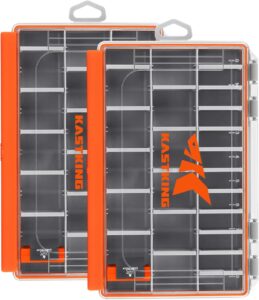
KastKing HyperSeal Waterproof Tackl…
From the brand Fishing Backpack Fishing Sling Bag Fishing Tackle Storage Bags Tackle Box Tool Set…
