

Yacht Care Basics: How to Keep Your Yacht Clean and Organized
Owning a yacht is rewarding, but it comes with ongoing maintenance: cleanliness, organization, and safety. A consistent approach saves time, preserves value, and keeps onboard life comfortable.
This guide offers practical, step-by-step practices for everyday cleaning, seasonal care, storage systems and safety checks so you can spend more time enjoying the water and less time undoing preventable wear.
1. Establish a simple cleaning routine
Set predictable, short tasks you do after every outing: sweep the cockpit, rinse mud or salt from decks, wipe high-traffic grab rails, and remove trash. Weekly sessions can tackle upholstery, glass, and non-skid surfaces. A small, regular habit prevents buildup that demands heavy effort later.
2. Essential cleaning supplies to keep onboard
Stock a compact cleaning kit with products formulated for marine materials—vinyl, gelcoat, stainless, canvas and teak. Marine-specific formulas reduce the risk of damaging finishes and fabrics. For an easy place to start, consider dedicated categories like Yacht Cleaning Supplies that are sized and packaged for boat use.
3. Deck and upholstery care: quick wins
Routine deck rinsing with fresh water prevents salt crystallization. For vinyl and canvas, use cleaners that lift dirt without stripping UV protection. Spot-clean spills promptly—don’t let stains set. A reliable multi-surface cleaner designed for marine upholstery cuts time and risk; one example is the 303 Marine Multi-Surface Cleaner, which targets vinyl, canvas, and other common surfaces.
4. Protecting gelcoat, hull and metal hardware
Wax and polish routines are essential: they protect gelcoat from UV and waterline staining and make future cleaning easier. For oxidation and deeper surface defects, use a compound/polish specified for boats—these restore shine and remove light scratches before finishing with a marine-grade sealant. Products like 3D Marine All-in-One Gel-Coat Compound & Polish are designed for that purpose.
5. Docking gear: fenders, bumpers and protection
Damage at the dock is one of the most common and avoidable sources of repair bills. Use appropriately sized fenders and keep them positioned where your hull meets the dock first. Replace or add tougher bumpers if your marina has narrow slips. For quick selection, browse products such as Yacht Fenders to match length and diameter to your yacht’s profile.
6. Mooring lines and cleats: strength and readiness
Lines should be inspected for chafing, stiffness, or UV damage. Use double-braided nylon or other marine-grade rope rated for your vessel’s size. Keep a set of replacement dock lines available and label them for bow, stern and spring use. If you prefer pre-kept gear, a high-quality option like the Boat Dock Lines 1/2″ x 15′ are durable, easy to stow and ready when you need them. Also keep separate mooring hardware and check cleats and hooks for corrosion and secure fastenings by schedule.
7. Interior organization and storage systems
Use labeled lockers and removable bins to keep routine items accessible and contained—cleaning supplies, tools, spare bulbs, and manuals. Maximize vertical space with dedicated storage for lines and fenders, and use non-skid mats in lockers to prevent shifting. For fishing or watersport setups, dedicate small, ventilated compartments to gear so wet items aren’t stored against upholstery.
8. Safety and emergency readiness
Keep safety gear organized and visible in one place. A first aid kit should be checked and restocked every season. Consider marine-specific kits that include items suited for boating injuries; see options in categories like Marine First Aid Kits. Fire safety is equally important: store a rated marine extinguisher near the galley and helm and inspect pressure gauges and mounting brackets routinely. Browse certified choices such as Marine Fire Extinguishers to ensure compliance and readiness.
9. Seasonal deep clean and winterizing
Plan two deep-clean sessions per year: spring commissioning and fall layup. During spring, compound, polish, clean bilges, descale through-hull fittings, inspect hoses and change filters. In fall, remove perishables, thoroughly dry lockers and cushions, apply protectants and desiccate enclosed spaces. Proper winterizing prevents mold, freeze damage and rodent intrusion.
Quick Checklist
- Sweep and rinse after each outing.
- Wipe rails and touchpoints daily on busy days.
- Inspect fenders and dock lines before docking.
- Polish gelcoat every 3–6 months; spot compound as needed.
- Keep a stocked first aid kit and a charged fire extinguisher onboard.
- Label storage bins and stow wet gear separately.
- Schedule seasonal deep-clean and systems inspection.
FAQ
- How often should I wax my yacht?
Wax every 3–6 months depending on exposure; twice yearly is typical for moderate climates.
- What’s the best way to prevent mold in lockers?
Dry items before storage, ventilate lockers periodically and use moisture absorbers or desiccant packs.
- Which cleaner is safe for vinyl seats?
Use products labeled for marine vinyl and canvas; test in a hidden area first and follow with a UV protectant.
- How do I stop dock chafe on my lines?
Use chafe guards at contact points, angle lines to reduce rubbing and inspect/replace frayed sections promptly.
- How often should safety kits be checked?
Inspect monthly for obvious issues and restock first aid and signaling items at least seasonally.
Conclusion
Keeping a yacht clean and organized is a combination of consistent small actions and periodic, focused maintenance. Build a short post-trip routine, invest in the right marine-grade products, and maintain docking and safety gear. The result: fewer repairs, safer outings, and more time to enjoy the water.
Products Featured in This Article
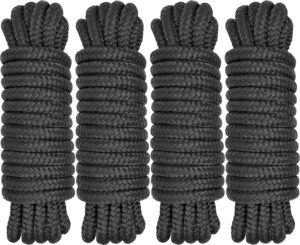
Boat Dock Lines 1/2″ x 15R…
From the brand Shop 1/2 Inch Boat Dock Lines Shop 5/8 Inch Boat Dock Lines Shop…
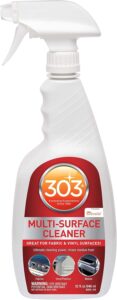
303 Marine Multi-Surface Cleaner fo…
Product description The video showcases the product in use.The video guides you through product setup.The video…
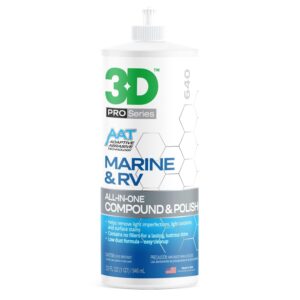
3D Marine & RV All-in-One Gel-…
Product description The video showcases the product in use.The video guides you through product setup.The video…
