Pontoon Boat Guide: Tips for Comfort, Safety, and Storage
Pontoon boats are prized for their stability, social layout, and versatility. Whether you use yours for family outings, fishing, or entertaining, thoughtful choices in seating, safety gear, and storage keep every trip comfortable and low-stress.
This guide covers practical, actionable tips to improve comfort on board, reduce common risks, and protect your investment when it’s not on the water. Use these recommendations to prioritize the items and routines that matter most.
Choose seating for comfort and durability
Comfort starts with the right seating—supportive cushions, durable vinyl, and layouts that let passengers move freely. When shopping, look for UV- and mildew-resistant materials, foam with good recovery, and reinforced seams for high-use corners. Consider modular seating that can be reconfigured for lounging, dining, or fishing.
For a focused selection of options and sizes that suit most pontoon layouts, check category collections like Pontoon Boat Seats.
Plan the layout and traffic flow
Arrange seating and accessories so walkways remain clear and life-saving equipment is accessible. Place coolers and heavy items near the centerline to keep weight balanced. If you host groups, create zones—social seating, shade, and an open bow area for boarding or swimming—to minimize collisions and clutter.
Personal flotation: pick the right life jackets
Choose life jackets that fit the intended users and activities. For adults who want freedom of movement during fishing or watersports, low-profile inflatables are a common choice. For children and non-swimmers, use appropriately sized, Coast Guard–approved vests with secure straps and grab handles.
To browse compact flotation options that work well on pontoons, see Inflatable Boat Life Jackets. Always store jackets where they’re easy to reach from the deck.
First aid and onboard emergency equipment
Minor injuries and sea sickness are common on pleasure boats. Keep a well-stocked, waterproof first aid kit in an obvious, labeled location. Replace used or expired items seasonally and include supplies for common cuts, allergic reactions, and blisters.
Quality pre-packed options make it easier to meet basic needs quickly—consider a marine-rated option like Marine First Aid Kits.
Fire safety and emergency signaling
An onboard fire extinguisher and visible, audible signaling devices are non-negotiable. Keep a USCG-appropriate extinguisher mounted near the helm and check pressure gauges monthly. Maintain a whistle or horn and visual distress signals for after-dark or limited-visibility situations.
For certified extinguisher options tailored to marine use, see Marine Fire Extinguishers. Test and service extinguishers per manufacturer guidance.
Docking, bumpers, and protecting the hull
Good fenders and properly tied dock lines prevent gouges and costly repairs. Use bumpers sized to your pontoon’s profile and keep them positioned at likely contact points. Tie a spring line to control fore-and-aft movement and maintain good cleat etiquette at marinas.
For flexible protection while docking, consider heavy-duty, inflatable options like Inflatable Boat Bumpers for Docking.
Fishing setup and onboard storage
If you fish from your pontoon, plan locations for rods, tackle, and live wells that don’t impede other passengers. Vertical rod holders keep rods secure and out of the way while underway. Use lockable or sealed compartments for tackle to protect hooks and lures from UV and moisture.
Organized rod storage reduces snags and tripping hazards—explore robust mounting and storage options such as Boat Rod Holders that fit rail systems or gunnels.
Lighting, visibility, and electrical basics
Proper lighting improves safety after dusk and enhances ambiance. Navigation lights are required; deck and interior courtesy lighting increase visibility around steps, coolers, and anchors. Consider LED strips for long life and low draw, and protect wiring with marine-rated conduit and connectors.
For useful lighting solutions designed for pontoons, see Pontoon Boat Lighting.
Storage, covers, and winter protection
When storing your pontoon, clean and dry all surfaces to prevent mold, corrosion, and rodent damage. Remove cushions if possible and store electronics in climate-controlled areas. Use a fitted cover to keep rain and UV off the deck and upholstery, and ventilate to avoid trapped moisture.
Invest in a purpose-made cover that fits your deck length and seat profile—browse protective options in the Pontoon Boat Covers category.
Maintenance routines that pay off
Regular checks reduce surprises: inspect the pontoon tubes for dents and leaks, test the bilge pump, flush the engine after saltwater runs, and lubricate steering and throttle cables. Schedule seasonal deep-cleaning and waxing to protect gelcoat and vinyl.
- Check life jackets and replace damaged units.
- Test and tag fire extinguisher pressure monthly.
- Inspect electrical connections and battery charge.
- Clean and dry upholstery before covering or stowing.
- Secure loose items and stow tackle safely to prevent hazards.
Checklist: Essentials to have on every pontoon trip
- Appropriate number of life jackets, easily accessible
- Marine first aid kit and charged communication device
- Fire extinguisher mounted near the helm
- Dock lines and bumpers sized to your boat
- Navigation and deck lighting operational
- Tool kit, spare fuses, and spare anchor or rope
- Waterproof storage for electronics and valuables
FAQ
Q: How many life jackets should I carry?
A: Carry one Coast Guard–approved life jacket per person on board, plus extras if you have passengers boarding mid-ride or small children needing special sizes.
Q: Where should I store the first aid kit?
A: Store it in a dry, clearly labeled compartment near the helm or entry point so anyone can access it quickly from the deck.
Q: Do inflatable bumpers work as well as foam fenders?
A: Inflatable bumpers provide good coverage and are easy to store; foam fenders offer passive protection without inflation. Choose based on dock configuration and storage space.
Q: How do I prevent mold under covers?
A: Ensure all surfaces are clean and dry before covering, use breathable covers or include ventilation, and remove cushions if storing long term to allow airflow.
Q: What maintenance is critical before putting a pontoon up for winter?
A: Flush and fog the engine, remove batteries or fully charge and maintain them in a warm area, clean and dry upholstery, and fit a secure cover with good ventilation.
Conclusion
Comfort, safety, and smart storage are straightforward to address with the right gear and routines. Prioritize accessible life jackets, a stocked first aid kit, fire protection, and appropriate covers. Small investments and consistent maintenance keep your pontoon reliable, enjoyable, and ready for every season.
Products Featured in This Article
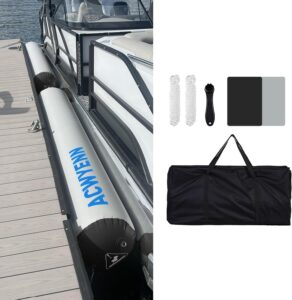
Inflatable Boat Bumpers for Docking…
Boat Fender GREAT FOR BOAT PROTECTION: ACWYENN inflatable boat fender offers great boat protection when tying…
