
Boats for Sale Near Me: How to Find Local Boat Listings Safely
Searching for “boats for sale near me” can feel overwhelming: dozens of listings, private sellers, dealers, and a mix of accurate and misleading ads. The goal is simple — find a boat that fits your budget, needs, and comfort level while avoiding scams and costly surprises.
Start local, stay systematic, and rely on checklists and trusted resources. If you want to browse gear, parts and categories while you research models and local listings, check out US Nautics for reference and ideas.
Where to look for local listings
Begin with places that focus on local connections: marina bulletin boards, local dealer lots, boat brokers, community Facebook groups, and regional classifieds. When you compare listings, also review specialized product categories to learn what commonly comes with used boats — for example, check the Fishing Boat Accessories category to understand add-ons often bundled with fishing boats.
How to vet listings and spot red flags
Before you contact a seller, read the listing carefully. Red flags include vague descriptions, prices well below market, refusal to meet in person, requests to wire money, or sellers who push for quick transactions. Legit listings will have clear photos, the boat’s HIN (Hull Identification Number), a description of maintenance history, and proof of title.
Part of vetting is confirming whether safety and emergency equipment are present or included. Verify the presence of complete safety kits and documentation — items like the Sirius Signal MK-1001 Boating Safety and Emergency SOS Kit represent the level of preparedness you should expect on a vessel being sold.
Inspecting the boat in person: what to bring and check
When you arrange an in-person inspection or sea trial, bring basic safety gear and tools: a waterproof flashlight, a copy of your checklist, a camera, gloves, and your own personal flotation devices. Never go alone if the seller needs to launch or tow the boat — bring a friend or a qualified mechanic.
For on-water checks bring life jackets for everyone on board. If the seller doesn’t provide them, have reliable PFDs ready — for example, consider models such as the BLUESTORM Stratus 35 Inflatable Life Jacket PFD for Adults when evaluating what you’ll want to own after purchase.
Sea trial and electronics: what to test
A sea trial is the most revealing part of the buying process. Test for engine noise and vibration, steering responsiveness, trim functionality, and how the boat handles turns at different speeds. Run the boat long enough to check for overheating and fuel system performance.
Also test electronics, navigation and chartplotter functionality — reliable units matter for safety and resale value. If navigation equipment is installed, confirm its model and operation; high-quality electronics like the Simrad GO9 XSE are worth noting if present or replaced.
Paperwork, title transfer and registration checks
Always ask to see the boat title, registration, and maintenance records. Confirm the HIN on the hull matches the title and the seller’s ID. If the boat is financed, verify the lien is satisfied before agreeing to buy. For private sales, use a bill of sale and check state-specific transfer requirements before payment.
If the listing includes dock and mooring gear, confirm what transfers with the boat (lines, anchors, covers). Missing dock gear is common but replaceable — knowing what’s included helps budget for immediate needs.
Special considerations for fishing boats and pontoons
If you’re buying a fishing boat, check installed fishing gear: mounted rod holders, livewell pumps, and accessible tackle storage. Confirm hardware condition and wiring for fishfinders and aerators. Common add-ons can be inspected and compared using category references like Boat Rod Holders.
Pontoons require their own checklist: inspect pontoons for dents, corrosion or soft spots; examine deck joins and railings; and verify seating condition. If the pontoon seems otherwise sound, sourcing replacement or upgraded seating and covers is typical — browse Pontoon Boat Seats for options, and plan for storage protection with appropriate Pontoon Boat Covers if you won’t have covered storage.
Negotiation, payment methods, and delivery
Negotiate based on documented issues and recent comparable sales. Avoid paying in untraceable ways; prefer cashier’s checks or escrow handled by a broker or escrow service. For large sums, meet at a bank to complete the transaction and verify funds. If the boat must be trailered, confirm the seller’s experience and review trailer condition and tie-down hardware before accepting delivery.
Quick buyer checklist
- Confirm listing details: photos, HIN, hours/miles, recent repairs.
- Verify seller identity and title status in person.
- Bring PFDs and basic safety gear for the sea trial.
- Test engine, steering, bilge pumps, and electronics.
- Inspect hull, pontoons, deck, and upholstery for water damage.
- Check for included accessories and note what’s missing.
- Use a bill of sale and complete title transfer at a bank or DMV.
- Arrange secure payment and plan transport or delivery.
FAQ
- Q: Should I hire a surveyor for used boats?
A: Yes — for any boat over a few thousand dollars or with unclear history, a professional marine survey provides an independent assessment of structural, mechanical and safety issues. - Q: What is a safe way to pay a private seller?
A: Use a bank cashier’s check, complete the sale at a bank, or use an escrow service. Avoid wire transfers to unknown parties. - Q: How do I verify the HIN?
A: Locate the hull ID stamped on the transom and compare it to the title and registration. If they don’t match, walk away or escalate to a broker or attorney for verification. - Q: What safety equipment should the boat have at purchase?
A: Required items vary by jurisdiction, but have life jackets for all onboard, visual and audio distress signals, a working fire extinguisher, and a first-aid kit. Sellers who include comprehensive kits like the Sirius Signal MK-1001 Boating Safety and Emergency SOS Kit can be more trustworthy on safety. - Q: If I buy a fishing boat, what should I look at first?
A: Inspect rod holders, livewells, bilge pumps and battery condition. Confirm wiring for fishfinders and whether aftermarket accessories are included or properly installed; categories like Boat Rod Holders illustrate typical hardware.
Conclusion
Finding boats for sale near you is straightforward when you combine local searching with careful vetting, an in-person inspection, and a clear checklist. Bring safety gear, test electronics and engines, verify paperwork, and avoid rushed payments. Use reliable resources and product references as you plan upgrades or replacements — they’ll help you compare value and make a confident purchase.
Products Featured in This Article
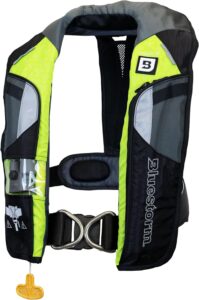
BLUESTORM Stratus 35 Inflatable Lif…
Product description Glowspot Bladder This life jacket includes a new advanced air chamber material by Erez….
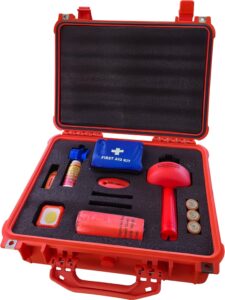
Sirius Signal MK-1001 Boating Safet…
Product description The video showcases the product in use.The video guides you through product setup.The video…
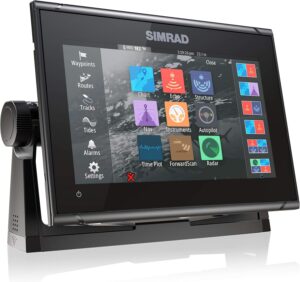
Simrad GO9 XSE – Chartplotter…
MULTIFUNCTION DISPLAY: With GO9, add GPS navigation, sonar support, radar capability, and much more to your…
