
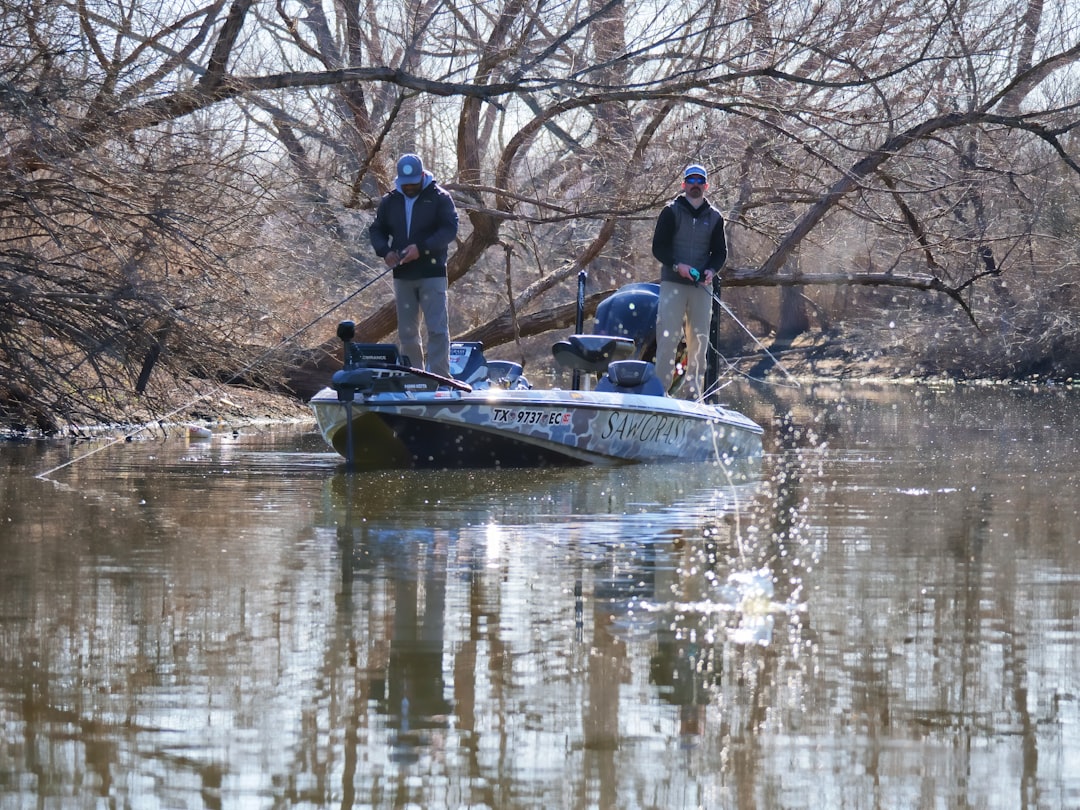
Bass Boats: Buying Tips for Fishing Enthusiasts
Buying a bass boat is an investment in better days on the water. The right boat improves your fishing efficiency, safety, and comfort while minimizing maintenance headaches. This guide lays out practical, no-nonsense advice to help anglers choose a bass boat that matches their style, budget, and fishing goals.
We’ll cover hull and size, power, fishing-specific features, essential gear, safety items, and maintenance priorities. Use these guidelines to compare models and options so you buy a boat that performs on the water—not just looks good on the showroom floor.
1. Start with hull type, length, and usable deck space
Bass boats are typically low-profile, with a flat casting deck up front and a raised area in the rear. When comparing models focus less on overall length and more on usable deck area and storage layout. A longer hull often gives better straight-line speed and more room for electronics and batteries, but a compact 16–18 foot boat can be more economical for solo anglers or tight ramps.
Check the deck layout for unobstructed casting zones, secure foot traction, and convenient access to storage. If you plan to fish with a partner regularly, prioritize a layout with dual casting positions and roomy walkways between seats and compartments.
2. Engine power, fuel economy, and steering
Choose an outboard horsepower that balances weight, launch constraints, and typical water conditions. For most bass fishing lakes, 50–115 hp is common; heavier lakes or frequent long runs call for more power. Consider fuel capacity and economy—bigger engines burn more gas, and expensive trips to remote fishing spots add up.
Also inspect steering feel and ergonomics. Hydraulic steering or well-tuned cable systems should provide smooth, predictable response for precise positioning during casts and trolling.
3. Fishing features: rod holders, mounts, and rigging
Look for a boat with purpose-built fishing hardware—integrated rod storage, transom rod holders, and secure mounts for electronics and seats. A dedicated rod storage locker keeps lines and reels protected and frees the deck for working baits.
If the boat doesn’t include them, you’ll want adaptable holders that rotate and stow cleanly. A sturdy, corrosion-resistant design reduces long-term maintenance and keeps rods accessible while trolling or traveling. Consider products like Boat Rod Holders when planning rigging upgrades or replacements.
4. Livewells, aeration, and bait systems
Healthy livewell systems are critical if you want to keep bass lively for tournaments or long sessions. Check livewell volume, circulation patterns, and drain accessibility. A well-designed livewell will have smooth water flow with minimal dead zones and a reliable pump that’s easy to service.
If the boat’s factory system looks marginal, you can upgrade pump capacity or add redundancy. Browse options like Boat Livewell Pumps to compare flow rates and installation styles before committing.
5. Storage and tackle organization
Organized tackle reduces downtime and improves catch rates. Look for integrated compartments sized for boxes, spare lines, lures, and electronics. Deep, sealed compartments protect gear from salt and spray while keeping weight low and centered.
If factory storage is limited, add modular systems designed for boats. Consider category options such as Marine Tackle Storage to find tackle boxes and organizers that fit standard lockers and consoles.
6. Bait prep and fish care: boards and cleaning stations
On-boat bait preparation and fish cleaning stations save time and keep the boat tidy. A mounted or removable bait board makes hooking and cutting bait simple, while a dedicated fish-cleaning table with built-in drainage keeps scales, blood, and slime away from carpet and compartments.
Look for corrosion-resistant mounting hardware and non-slip surfaces. Accessories like Marine Bait Boards and Boat Fish Cleaning Tables are practical additions if your new boat didn’t come with a robust solution.
7. Nets, gaffs, and catch-handling tools
Net selection matters—choose a lightweight, strong net that’s sized to the fish species and easy to deploy from the casting deck. Rubberized or knotless nets protect fish and reduce tangles in hooks and lures. Keep a compact maintenance plan: clean and rinse nets after use and store them out of direct sun to extend life.
If you need a reliable option, review products in the Fishing Boat Nets category to find durable nets suited to regular use.
8. Comfort, apparel, and sun protection
Comfort influences how long you’ll fish and how effective you’ll be. Good seating, breathable clothing, and sun protection reduce fatigue and sunburn. Shoes with non-slip soles and quick-dry materials help when boarding and moving across wet decks.
Don’t underestimate eye protection—polarized sunglasses reduce glare and improve sight-fishing performance. Consider browsing Boating Sunglasses when assembling your kit. Also pack a wide-brim hat and UV-rated gloves for extended daylight on the water.
9. Safety equipment and routine maintenance
Safety gear is non-negotiable. Required items vary by region, but basic essentials include USCG-approved life jackets, a throwable flotation device, a fire extinguisher, signaling devices, and a first aid kit. Verify storage locations for easy access and keep batteries, seals, and hoses inspected seasonally.
Consider inflatable options for convenience and comfort. Browse Inflatable Boat Life Jackets to compare sizes and approvals for your crew. Schedule routine service for the engine, steering, and electrical systems to avoid breakdowns during key fishing trips.
Checklist: Key items before you buy
- Test-drive the boat fully loaded (two anglers + gear) to check handling and trim.
- Inspect livewell capacity and pump accessibility.
- Verify rod storage and availability of rod holders or mounts.
- Check storage compartments for tackle and battery placement.
- Confirm safety gear storage and easy access to life jackets and signals.
- Evaluate electrical system capacity for electronics and trolling motor.
- Plan for on-boat bait prep and fish cleaning—board or table fitment.
FAQ
- What size bass boat is right for a solo angler? A 16–18 foot boat with a spacious front deck and compact cockpit usually balances cost, trailering ease, and efficiency for a solo angler.
- How important is livewell size? Livewell size matters when you keep multiple fish for tournaments or long sessions; for casual anglers a smaller, well-circulated livewell may be sufficient.
- Do I need a separate trolling motor battery? Yes—dedicated deep-cycle batteries for the trolling motor preserve starting battery life and ensure consistent performance during long days of slow-speed positioning.
- Are warranties worth prioritizing? Factory warranties are valuable, especially for outboards and electrical systems. Prioritize reputable brands and documented service history on used boats.
- What safety gear is required? Requirements vary, but carry USCG-approved PFDs for all passengers, a throwable device, a fire extinguisher, visual and audible signaling, and a basic first aid kit.
Choosing the right bass boat comes down to matching mission profile with durable features: efficient livewells, smart storage, secure rod handling, and safety gear. Inspect the layout, test systems under load, and prioritize components that reduce hassle on the water so each trip is productive.
Final takeaway: buy for functionality first—if the hull, livewell, storage, and safety systems suit how you fish, the subtler comforts and upgrades are easier to add later.
