All Boat Types Explained for New Boaters
Choosing your first boat can feel overwhelming: many hull shapes, propulsion types, and designs all tailored to specific uses. This guide breaks down the most common boat types, what they’re for, and the key gear or features to consider so you can make a practical choice that fits your boating plans.
If you want to explore gear and accessories as you read, start with the brand’s full selection at US Nautics to see categories that match each boat type discussed below.
Runabouts and Bowriders: Day-trippers with horsepower
Runabouts and bowriders are small to mid-size motorboats built for day use—water sports, short cruises, and lakeside outings. They usually have an open bow seating area and outboard or sterndrive engines. Look for durable, comfortable seating and easy-to-clean upholstery since these boats are family-focused. If you need a practical seat replacement or upgrade for a runabout, consider a purpose-built captain or folding seat option like the Goplus Low/High Back Boat Seat.
Pontoons: Stability and social boating
Pontoons are wide, stable platforms ideal for entertaining, fishing, or family outings on calm waters. They offer large decks, modular seating, and often a party-friendly layout. Comfort matters on pontoons—swappable cushions and durable covers extend the life and usability of the deck. If you plan extended days on a pontoon, check seating and storage options such as Pontoon Boat Seats to keep passengers comfortable and protected.
Fishing Boats: Purpose-built tools
Fishing boats range from small jon boats and bass boats to larger center consoles and bay boats. Design priorities are stability at anchor, deck layout for casting, rod storage, and a livewell for bait. Think about the types of fishing you’ll do—freshwater bass anglers have different needs than offshore saltwater anglers. Outfit your rig with functional hardware like Boat Rod Holders to keep poles organized and ready.
Kayaks, Canoes, and SUPs: Low-cost, low-maintenance paddling
Paddling craft are affordable, simple to store, and perfect for exploring shallow water or skinny creeks. They demand minimal infrastructure—no trailer, sometimes no motor license—and reward skill over speed. Personal comfort and protection from the elements matter: lightweight gloves protect hands while paddling and handling gear. Consider protective options such as Boating Gloves for longer trips or cooler conditions.
Sailboats: Wind-powered learning curve
Sailboats range from small daysailers to liveaboard cruisers. They require different skills: sail trim, points of sail, and understanding wind patterns. Small dinghies are good training platforms, while keelboats provide more stability and overnight capability. For sunny days on a sailboat, lightweight sun protection is essential. A practical, packable hat helps keep you focused and protected—look into options like Sailing Hats that are made for marine conditions.
Deck Cruisers, Trawlers, and Motor Yachts: Comfort and range
These larger vessels are built for extended cruising, overnighting, or living aboard. They include amenities like cabins, galleys, and full systems for power and water. When planning overnight trips, lighting and visibility for decks and steps are safety essentials—install purpose-designed fixtures like Marine Deck Lights to reduce trip hazards and improve night operations.
Safety-first small craft: Inflatable boats and tenders
Inflatable boats and RIBs (rigid-inflatable boats) are lightweight, portable, and often used as tenders or for shallow-water access. Even though they’re small, safety gear is non-negotiable. Carry the right personal flotation devices, signaling, and emergency supplies. A compact marine first aid kit is an easy addition that can make a real difference in a minor emergency—stock one like the Marine First Aid Kits.
Choosing the right boat for your use
Match boat type to your priorities: weekend cruising, fishing, watersports, commuting, or learning to sail. Consider maintenance, storage, trailering needs, and local water conditions. Visit marinas and dealers to sit in cockpits and test ergonomics; a boat that feels right from the helm will be more enjoyable and safer to operate.
Quick Gear and Maintenance Checklist
- Essential documents: registration, insurance, operator license as required locally
- Safety kit: throwable device, personal flotation devices, marine first aid kit, signaling
- Navigation & electronics: GPS, chartplotter basics, and functioning lights
- Comfort and protection: appropriate seating, gloves, sun protection
- Boat-specific gear: rod holders for anglers, deck lights for cruisers, secure seats for pontoons
- Onboard maintenance items: bilge pump check, battery care, basic tool kit
FAQ
- What’s the best beginner boat? For most new boaters, a small runabout or pontoon provides a forgiving platform with low complexity and easy handling.
- Do I need a license? Licensing varies by state—check local requirements before purchasing or operating a powered craft.
- How much does boat maintenance cost? Expect routine costs for fuel, winterization, cleaning, and occasional repairs; complexity increases with onboard systems and size.
- Can I fish from a pontoon? Yes—many pontoons are outfitted for fishing and can be customized with seats and storage to suit anglers.
- What safety items are required? Minimum safety gear varies, but life jackets, a throwable, lights at night, and communication or signaling devices are standard essentials.
Choosing the right boat starts with honest answers about how you’ll use it. Test-ride different types, prioritize safety and comfort, and equip your new boat with items that match your intended activities. With a clear plan and the right gear, your first boat will be a reliable platform for years of enjoyment.
Products Featured in This Article
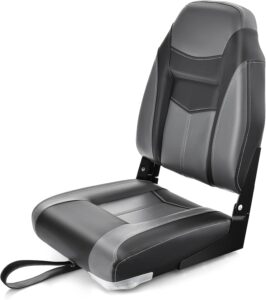
Goplus Low/High Back Boat Seats, Fo…
Description:Are you keen on sailing and fishing? If so, our boat seat is a perfect companion…
