
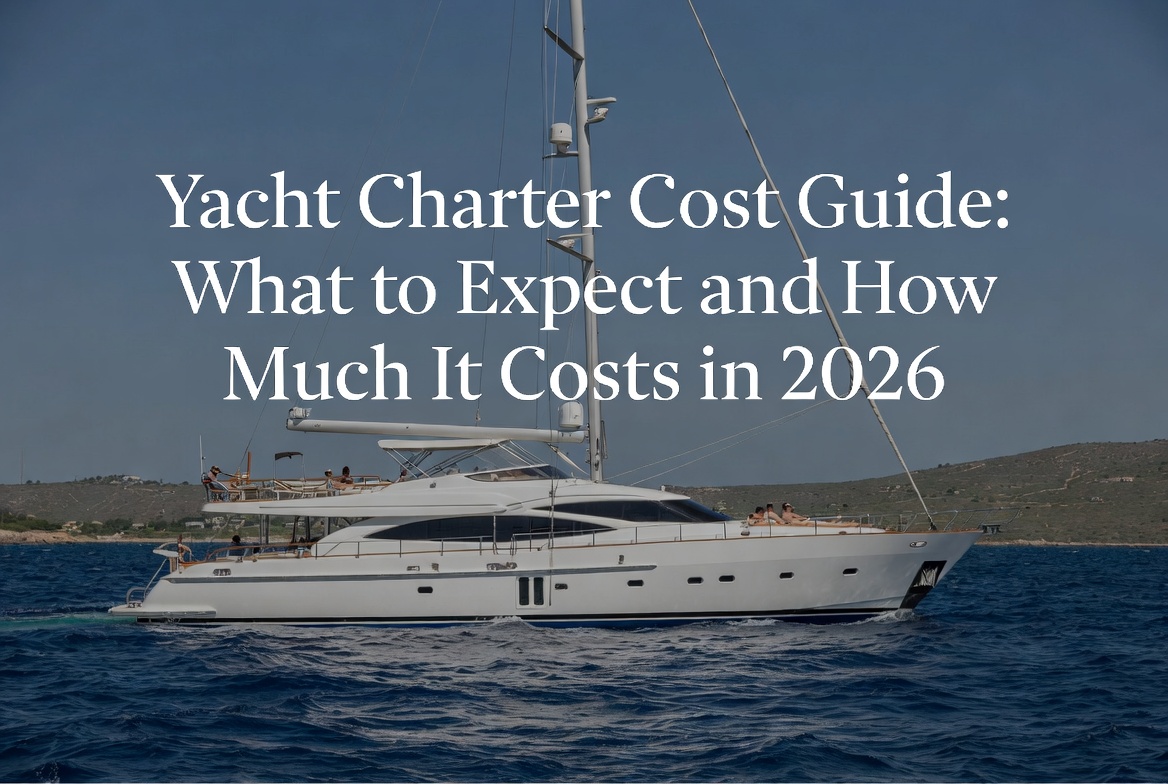
Planning a yacht charter in 2026 is exciting — but understanding costs up front keeps the trip fun and stress-free. This in-depth yacht charter cost guide walks through the real price drivers, typical cost ranges for popular charter types and destinations, hidden fees to watch for, how to estimate fuel and provisioning, money-saving strategies, and a ready-to-use checklist you can apply when booking. If you’re thinking about a charter this year, read on — and note that several product links below point to useful gear to bring on board.
Affiliate disclosure: This article may mention products and categories from US Nautics. If you click through and make a purchase, we may earn a small commission at no extra cost to you.
Overview: What “yacht charter cost” really covers
“Charter cost” usually means the advertised base rate for renting the vessel (daily or weekly). But the true cost of a yacht charter includes a range of extras and local charges. Expect to budget for:
- Base charter fee (daily or weekly).
- Advance Provisioning Allowance (APA) or provisioning costs (food, drinks, port fees paid on charter).
- Fuel (for transit and generator/air conditioning) — often a major variable, especially for motor yachts.
- Taxes and VAT (country-dependent).
- Crew gratuity (for crewed charters) — commonly 10–20% of the charter fee.
- Security deposit / damage waiver.
- Optional extras: water toys, Wi‑Fi, provisioning upgrades, transfers, special events.
- Broker or agent fees (sometimes included, sometimes added).
Charter types and their typical cost ranges (2026 estimates)
Prices vary by season and destination; the ranges below are realistic 2026 estimates to help you plan. All prices are shown as weekly charter rates unless noted.
- Bareboat sailboat (35–45 ft): $1,500 – $6,000/week. Best for small groups who can skipper and want low equipment costs. Often cheaper in off-season.
- Bareboat catamaran (40–50 ft): $3,500 – $10,000/week. More room and stability; fuel-efficient compared with power yachts.
- Crewed catamaran (40–55 ft): $10,000 – $30,000/week. Includes captain and chef; APA typically 20–30%.
- Crewsed motor yacht (50–90 ft): $35,000 – $150,000+/week. Fuel and APA are significant.
- Luxury superyacht (100+ ft): $150,000 – $1,000,000+/week. Includes full crew and high levels of service and amenities.
- Classic wooden yacht / gulet (Mediterranean, Turkey): $6,000 – $25,000/week. Often economical for large groups; crewed.
- Cabin charter (book a cabin on a shared yacht): $900 – $2,500/person/week. Good budget option for solo travelers.
- Day charter (powerboat or mega day yacht): $200 – $5,000/day depending on size and services.
Example: a week on a mid-range crewed catamaran in the Caribbean in high season might be $18,000 + 25% APA + fuel and docking. A bareboat Mediterranean week on a 40ft monohull could be $3,800 all-in before food.
Key cost drivers explained
1. Yacht size, age, and layout
Size and sophistication are the most direct cost drivers. More cabins and bathrooms, additional guest areas, and luxury finishes all push the base charter rate up. Newer yachts with modern systems, well-known brands, and recent refits command higher rates.
2. Crew and service level
Bareboat = you provide the skipper and hands-on operation. Crewed = captain, chef, stewardess, and sometimes a deckhand. Full-service charters include high-end provisioning, water sports staff, and bespoke experiences — expect premium pricing.
3. Destination and season
High season (Mediterranean in July/August; Caribbean around December–April) multiplies rates and marina fees. Popular cruising areas with tighter availability or higher taxes have higher costs (e.g., French Riviera, Balearics). Emerging or off-peak destinations (Turkey, certain parts of Greece, parts of Mexico) can be more affordable.
4. Fuel consumption and transit distance
Motor yachts burn significant fuel — which is usually not included in the base rate. Sailing yachts use less engine fuel while underway but still consume fuel when motoring or running generators/AC. Fuel cost is calculated as fuel burn (liters or gallons per hour) × price per liter/gallon × engine hours.
5. APA (Advance Provisioning Allowance)
APA is common on crewed charters. Typically 20–30% of the base charter fee and it covers food, drinks, port fees, fuel for cruising, and minor expenses. The crew spends from the APA and reconciles what’s left at the end; clients are billed for any shortfall or refunded the surplus. APA is not a tip.
6. Taxes and VAT
Some countries apply VAT on the base fee or add tourist taxes. VAT can be 10–25% in Europe. Some charter companies include taxes in the quote; always confirm whether the quoted price is inclusive or exclusive of VAT/taxes.
7. Marina and mooring fees
Marina berths in major hotspots can exceed $500–$1,000 per night for large yachts, while smaller ports or anchorages are free or low cost. Many charters anchor overnight to avoid high marina fees, but expect occasional marina stops for provisioning, customs, or electricity/water.
How to estimate fuel cost — a practical method
Fuel can be the single biggest surprise. Use this step-by-step approach to estimate:
- Get the yacht’s fuel burn (liters or gallons per hour) at cruising speed from the broker or spec sheet.
- Estimate daily cruising hours (typical range 3–6 hours/day for leisurely trips; more if you’re transiting long distances).
- Multiply hours/day × days of charter to get total engine hours.
- Multiply engine hours × fuel burn/hr to estimate total liters/gallons used.
- Multiply the fuel volume by local fuel price per liter/gallon to get fuel cost.
Example: a motor yacht burning 200 L/hr at cruising speed, cruising 4 hours/day for 7 days:
200 × 4 × 7 = 5,600 liters. If fuel is $1.30 per liter, fuel cost ≈ $7,280.
Sample budget breakdowns (concise, realistic) — table
| Scenario | Base weekly rate | APA / provisioning | Estimated fuel | Taxes / marina / fees |
|---|---|---|---|---|
| Bareboat 40ft monohull (Mediterranean) | $3,800 | $800 – $1,200 (groceries) | $100 – $300 (generator/few transits) | $200 – $800 |
| Crewed catamaran 45ft (Caribbean) | $18,000 | APA 25% ($4,500) | $300 – $1,000 | $1,000 – $4,000 (marinas, taxes) |
| Motor yacht 80ft luxury | $85,000 | APA 25% ($21,250) | $5,000 – $20,000+ | $2,500 – $10,000 (marina, taxes) |
Hidden fees and common surprises — what to watch for
- Damage deposit hold: Credit card hold or refundable deposit ranging from $1,000 to $50,000.
- Mandatory tips: Crew gratuity is often expected on crewed charters (10–20%).
- Extra crew fees: Specialty crew (massage therapists, dive instructors) usually billed separately.
- One-way fees: Repositioning or one-way charters can include repositioning fees.
- Communication/Wi‑Fi: Satellite internet or heavy data use may be extra.
- Cleaning fees: Deep-clean or pet cleaning can incur surcharges.
- Local permits and cruising taxes: Some regions require permits or day‑entry fees.
How to save money without sacrificing safety or comfort
Smart planning can reduce the total cost dramatically without reducing enjoyment.
- Travel off-peak: Shoulder season rates are often 30–60% cheaper, with better availability and milder crowds.
- Choose a bareboat if qualified: Bareboat charters remove crew fees and APA, lowering cost considerably — but you must be licensed and comfortable handling the yacht.
- Share the charter: Splitting a crewed charter among more guests reduces per-person cost substantially.
- Limit marina nights: Anchor more nights; marinas are convenient but costly.
- Book early or look for last-minute deals: Early bookings lock in rates; last-minute deals can slash prices if you’re flexible.
- Bring key items: A good set of life jackets, sun protection, reusable water bottles, and your own snorkel gear can reduce rentals and purchases in marinas. Check adult life jackets and other safety gear at US Nautics.
- Negotiate inclusions: Ask whether Wi‑Fi, tender fuel, or certain water toys can be included in the rate.
Booking channels: broker vs operator vs direct — pros and cons
How you book affects price, support, and contract terms.
- Direct with operator: You might find owner-direct deals and sometimes lower cost, but you’ll need to verify credentials, insurance, and contract details carefully.
- Through a broker or agent: Brokers handle paperwork, check the yacht, and can negotiate. Many brokers are paid by the owner and do not charge the client, but some charge a service fee.
- Online booking platforms: Useful for comparing multiple yachts quickly. Confirm cancellation policy and what’s included before paying.
Essential pre-charter checklist (step-by-step)
- Confirm the full charter contract: base rate, APA percentage, taxes, deposit, cancellation terms, and insurance.
- Request the yacht’s technical specs: fuel burn, watermaker, generator, tender size, water capacity, and safety gear inventory.
- Verify crew credentials: captain license, commercial endorsements, medical certificates, and references (for crewed charters).
- Prepare travel documents: passports, visas, sailing certificates (e.g., ICC or national license if required), and any required medical info.
- Create a provisioning list: food, beverages, allergies, dietary needs, and special occasions. Use crew recommendations for quantities.
- Pack a practical gear list: personal flotation devices if you prefer your own, reef-safe sunscreen, a basic medical kit, comfortable non-marking deck shoes, and sea-stable clothes.
- Confirm transfer logistics and arrival times: last-minute delays can add cost if crew or marina holdover is needed.
- Ask about included consumables: ice, bottled water, gasoline for the tender, and use of onboard equipment like paddleboards or jet skis.
- Verify communications: onboard Wi‑Fi quality and costs; arrange for mobile roaming or local SIM cards if needed.
What to include in your provisioning budget
Provisions depend on food preferences and how often you plan to dine ashore. As a baseline:
- Casual provisioning (self-catered, simple breakfasts and lunches, occasional dinner ashore): $30–$60/person/day.
- Standard provisioning (regular meals on board, open bar with wine & beer): $60–$120/person/day.
- High-end provisioning (premium wines, champagne, specialty items, private chef requests): $150+/person/day.
Work with the crew to tailor a list. Many crews will handle shopping and can advise quantities and local prices.
Safety and insurance considerations
Charters should carry commercial insurance. For bareboat charters, your personal insurance or skipper experience requirements may apply. Always check:
- Liability and hull insurance coverage on the contract.
- Security deposit amount and conditions for return.
- Local emergency contacts and nearest medical facilities.
- Availability of life-saving and firefighting equipment; request an inventory prior to boarding.
Recommended gear to bring or request (and where to find replacements)
Small items can make a big difference in comfort and convenience. If you need to pick up items before your charter, consider these essentials:
- Quality life jackets for kids or adults who prefer their own — see adult life jackets.
- Non-marking deck shoes and a compact dry bag for phone/camera storage.
- Snorkel set and compact fins — many yachts include basic snorkel sets, but personal fit matters.
- Reusable cooler or food-storage containers for day trips — check boat cooler storage options if you need extra capacity.
- Sun protection: reef-safe sunscreen, hats, polarized sunglasses, and lightweight long-sleeve shirts.
- Docking helpers: fenders and dock lines — if you’ll be tying up aboard another vessel or renting a slip, check boat fenders and dock lines.
- Small maintenance kit: spare bulb, multi-tool, duct tape, and zip ties; crews appreciate guests who understand basic care.
Common mistakes and how to avoid them
- Under-estimating APA/fuel: Ask for previous charter fuel usage for similar itineraries and include buffer in your budget.
- Not clarifying inclusions: Confirm what is included in the base rate (tender fuel, water toys, Wi‑Fi, etc.).
- Arriving late: Late arrival can lead to lost time and extra fees — plan arrival the day before if possible.
- Inadequate licenses for bareboat: Check local skipper certification requirements months ahead.
- Poor communication about food allergies/dietary preferences: Provide the provisioning list early and confirm crew can accommodate special diets.
Examples of destination-specific considerations
Different regions have different logistics and cost structures:
- Mediterranean: High-season marina fees, VAT considerations, and crowded anchorages in July/August. Advance booking essential for popular weeks.
- Caribbean: Peak winter demand (Dec–Apr) can raise rates; fuel is often cheaper than Europe, but inter-island fees and customs costs can add up.
- Turkey / Croatia: Typically lower charter rates and found-value week-long gulet and bareboat options; check port taxes and seasonal weather (meltemi winds in Greece/Turkey).
- US waters: State taxes and transient dock fees apply. Florida is a popular, well-serviced charter base with many options for day charters and weekly rentals.
Comparison checklist: choosing the right charter type
| Charter type | Who navigates | Typical weekly cost | Best for |
|---|---|---|---|
| Bareboat | Client/skipper | $1,500 – $10,000 | Experienced sailors, cost-conscious groups |
| Crewed | Crew | $10,000 – $150,000+ | Groups wanting full-service and no responsibilities |
| Cabin | Crew | $900 – $2,500/person | Solo travelers or couples on a budget |
| Day charter | Crew | $200 – $5,000/day | Short excursions and events |
Booking timeline and cancellation policies
Book early for peak-season windows — prime yachts and dates can lock up 9–12 months ahead. Standard booking steps:
- Request quote and confirm inclusions (immediately).
- Pay deposit to hold the yacht (commonly 30–50%).
- Final balance due 8–12 weeks before embarkation (times vary).
- Check cancellation terms — many charters have non-refundable deposits or only partial refunds for cancellations within a certain window.
Travel insurance that covers cancellations, medical evacuations, and travel interruptions is strongly recommended.
Practical tips for a smoother charter experience
- Arrive a day early to avoid travel delays affecting your embarkation time.
- Communicate openly with the crew: preferences, allergies, schedules, and contingency plans.
- Tip the crew in cash for convenience (check local norms and include within your plan for gratuity).
- Respect the yacht’s rules regarding smoking, pets, and engine use; violation can result in fines or withheld deposit.
- Keep electronics charged and conserve generator/AC use when anchoring to reduce fuel usage and APA draw-down.
Final checklist before signing any charter contract
- Confirm the exact total (base + APA + taxes + deposits + extras).
- Request operational manuals or quick-start sheets for key systems you might interact with.
- Ask for a final provisioning and itinerary estimate and a breakdown of expected APA spend.
- Verify pick-up and drop-off times, fuel fill policy on return, and late-return fees.
- Ensure you have emergency contacts for the broker/operator and local authorities.
Useful categories to consider for your charter or shore-based needs
Before you head out, you may want to stock up on supplies or check equipment compatibility. Helpful US Nautics categories:
- Adult boat life jackets
- Bimini tops for boats
- Boat anchors
- Boat cooler storage
- Boat bilge pumps
- Boat battery chargers
- Boat fenders
- Boat dock lines
- Boat cleaning and detailing
FAQ — Practical answers to common charter questions
1. Is the price I get from a broker the final price?
Not always. Confirm what the quote includes (VAT/taxes, APA, fuel policy, marina fees, security deposit). Brokers should provide a full-cost breakdown on request. Ask for a written contract with all fees listed.
2. What is a fair tip for the crew?
10–20% of the base charter fee is customary for crewed charters, depending on service level. This is usually given in cash to the captain at the end of the charter unless otherwise specified in the contract.
3. Can I charter without a license?
Yes — if you choose a crewed charter or a cabin charter. For bareboat charters, many destinations require an International Certificate of Competence (ICC) or equivalent, and charters often ask for proof of experience.
4. How accurate is the APA, and can I get a refund for unused funds?
APA is an estimate. At charter end, the crew will reconcile actual expenditures against the APA. Unused funds are refunded; overspends are billed to the client. Keep receipts and request a detailed accounting if you want transparency.
5. What happens if the yacht breaks down?
Charter contracts usually have procedures for mechanical failures, including repairs, substitution of a similar vessel, or refunds proportionate to lost time. Always check the operator’s contingency and insurance policies before signing.
6. Are water toys included?
It depends. Popular toys (snorkel gear, paddleboards) may be included; high-value toys (jet skis, seabobs, towables) are often charged separately or included only on higher-tier vessels. Confirm in writing.
7. Should I buy travel insurance for a yacht charter?
Yes. Travel insurance that covers trip cancellations, medical evacuation, lost baggage, and activity-related incidents is recommended. For crewed charters, check coverage for water sports and crewed vessels specifically.
Conclusion — plan smart, ask questions, enjoy the water
A 2026 yacht charter can be an affordable island-hopping holiday or a luxury, all-inclusive week of decadence — depending on the choices you make. The best returns come from good planning: clarify what the base rate includes, estimate APA and fuel, confirm taxes and security deposits, and pick the charter type that matches your group’s skills and expectations. Use the checklists in this guide to avoid surprises, bring a few comfort and safety items from trusted sources, and work closely with your broker or operator so your only worry is whether to anchor or raft up.
Ready to prepare for your next charter? Browse essential safety gear and provisioning supplies at US Nautics, including life jackets, fenders, and cooler storage, and start building your provisioning and gear list today.
