
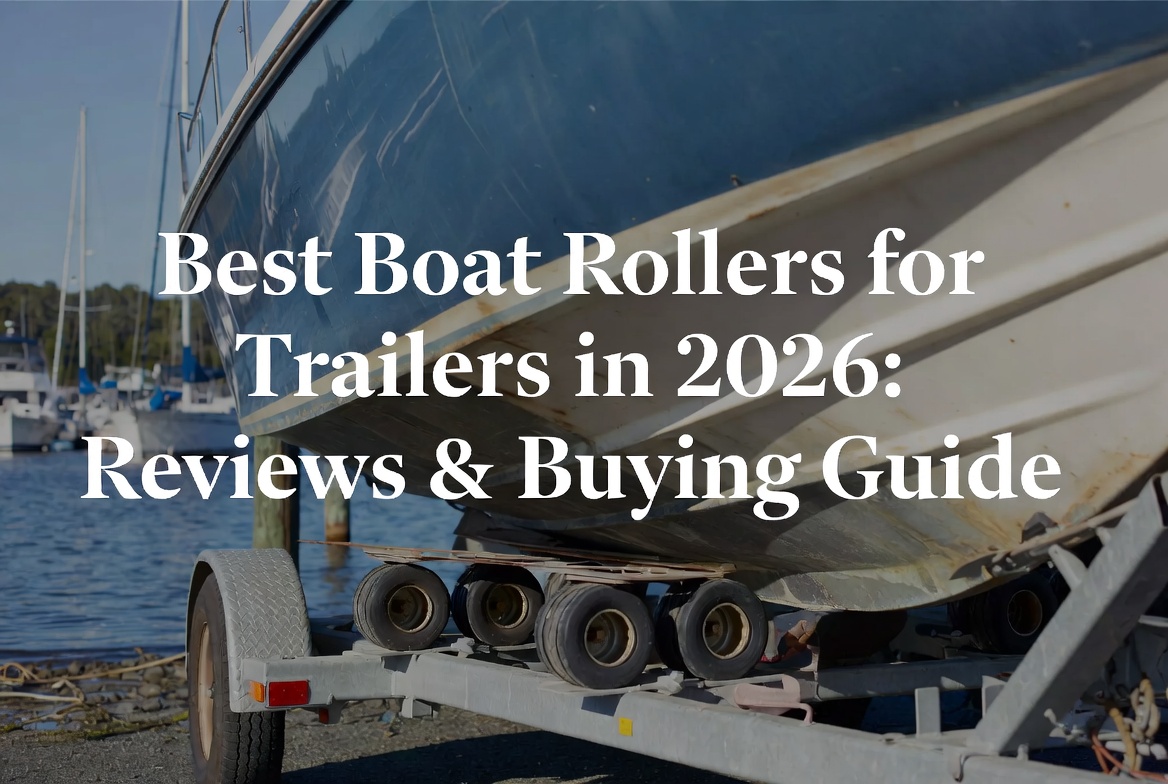
Boat rollers are small components with an outsized impact: they protect your hull during launching and hauling, make loading smoother, and extend the life of both boat and trailer. Whether you own a bass boat, pontoon, center-console, or runabout, choosing the right set of boat rollers for your trailer pays back in fewer scrapes, less stress on your trailer frame, and easier solo launches.
Affiliate disclosure: Some links in this article are affiliate links — if you click them and make a purchase, US Nautics may earn a commission at no extra cost to you. We only recommend products and suppliers we believe help boaters get safer, more reliable gear.
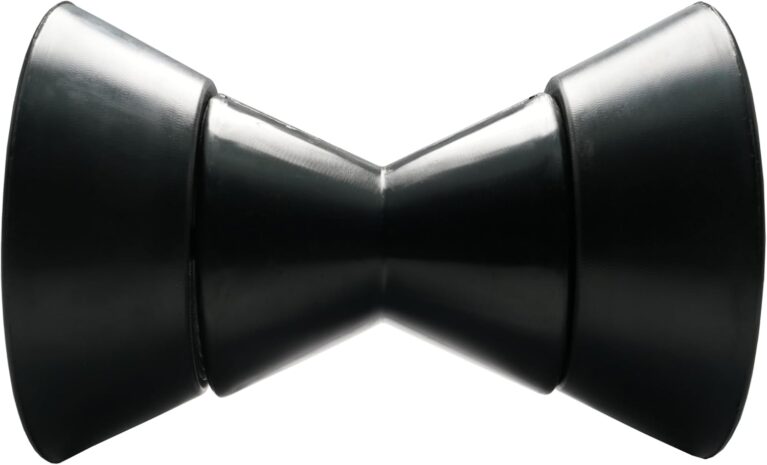 Who it’s best for: Owners of small to medium trailers needing a low-cost, easy-to-install bow or keel replacement roller. Great for anglers and weekend boaters who need a serviceable spare on board.
 Who it’s best for: Boaters with heavier craft who need a more robust keel roller. This model fits wider brackets and thicker rollers for greater load distribution during launches.
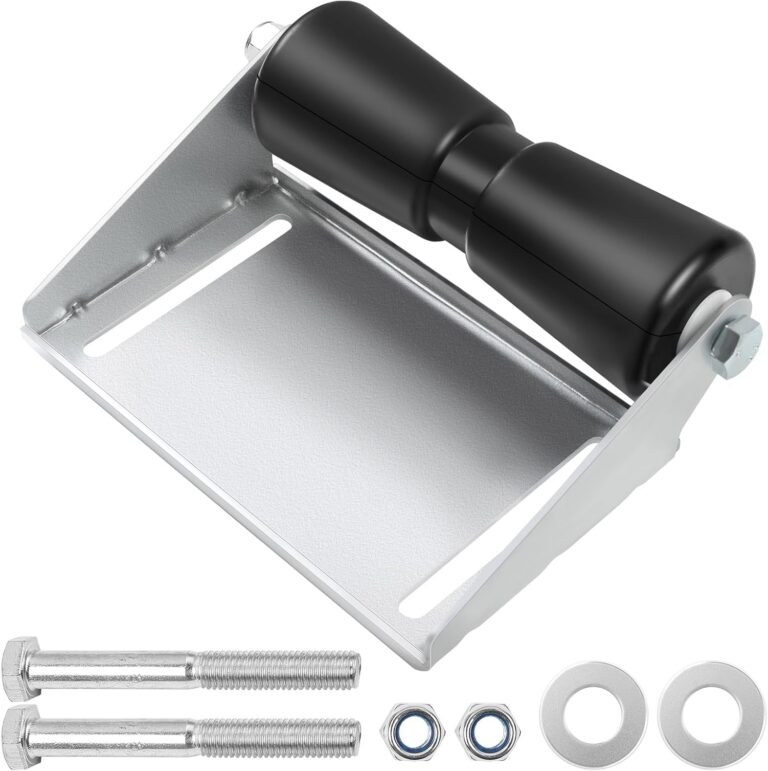 Who it’s best for: Boaters who prefer buying a complete keel roller assembly that includes the roller shaft and bracket—great if you want a one-purchase replacement kit and a predictable fit.
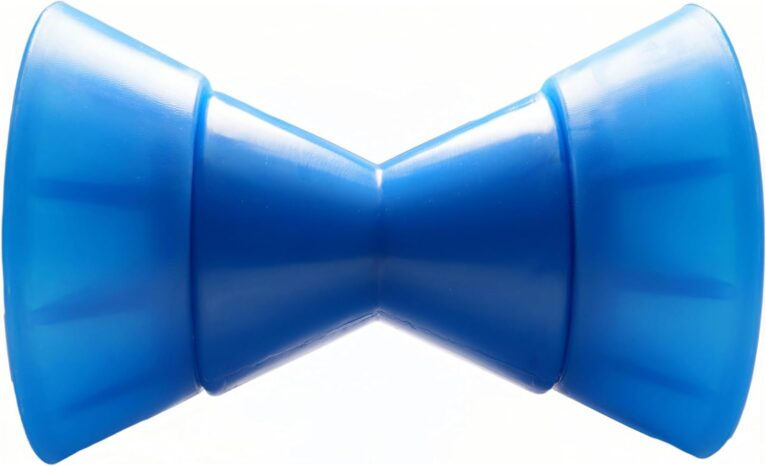 Note: This product is similar to the first listing but may be offered in slightly different sizing or finish—check specs before choosing the correct diameter and shaft fit for your trailer.
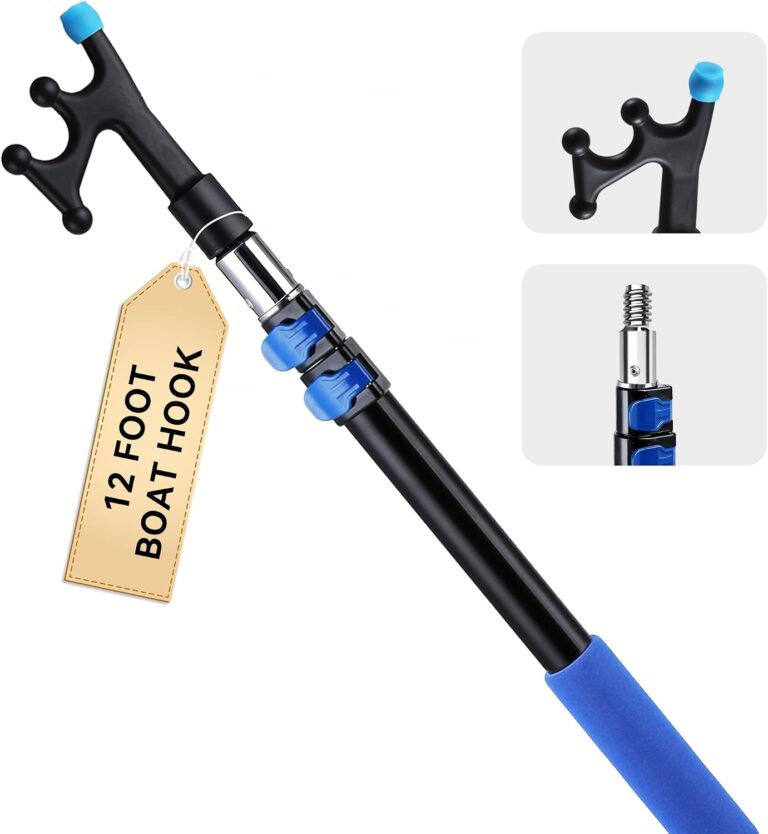 Who it’s best for: Not a roller, but a valuable accessory for launching and docking—especially if you often handle lines or need a tool to steady the bow while your trailer rollers do their job.
on board.
Example 2: A 20-foot fiberglass V-hull—upgrade to a heavy-duty keel roller like the Heavy Duty Boat Trailer Roller, 4-3… for better load distribution, verify shaft match, and install an extra roller mid-keel to avoid concentrated wear.
Who it’s best for: Not a roller, but a valuable accessory for launching and docking—especially if you often handle lines or need a tool to steady the bow while your trailer rollers do their job.
on board.
Example 2: A 20-foot fiberglass V-hull—upgrade to a heavy-duty keel roller like the Heavy Duty Boat Trailer Roller, 4-3… for better load distribution, verify shaft match, and install an extra roller mid-keel to avoid concentrated wear.
Quick summary: Who this guide is for
This article is written for trailer owners who regularly launch and retrieve boats and want to improve safety, reduce maintenance, and simplify single-person launching. You’ll get practical buying guidance, a comparison table of good roller options, clear installation and maintenance tips, and detailed product breakdowns of the best boat rollers we carry at US Nautics.How we picked these boat rollers
We looked for rollers that balance durability, sensible pricing, and compatibility with common trailer setups. That includes heavy-duty rubber for keel rollers, nylon or polyurethane bow and side rollers, complete assemblies with brackets and shafts, and replacement parts for common trailer shaft sizes. Practical factors—resistance to UV, water and corrosion, known installation dimensions, and user feedback—were weighed more heavily than brand buzz.At-a-glance comparison
Use this compact table to compare the key specs and best use cases before you read the deeper product write-ups below.| Model | Type | Typical Boat Size | Key Strength |
|---|---|---|---|
| Boat Trailer Roller Parts–Sturdy … | Bow/keel replacement roller | Small to medium | Low cost, easy swap |
| Heavy Duty Boat Trailer Roller, 4-3… | Keel roller (thick rubber) | Medium to large (wider bracket) | Durable, load-bearing |
| 5-12 Inch Boat Trailer Rollers with… | Complete keel roller kit | Small to medium | Kit includes shaft & bracket |
| Boat Trailer Roller Parts–Sturdy … | Bow/keel replacement roller (duplicate SKU) | Small to medium | Spoke style, budget-friendly |
| Telescoping Boat Hook for Docking, … | Accessory (dock hook) | All | Useful for docking while loading/unloading |
Detailed product breakdowns
Below are the exact products we selected, with who each is best for, strengths, potential drawbacks, and practical buying notes.1. Boat Trailer Roller Parts–Sturdy …
Recommended Pick
Boat Trailer Roller Parts–Sturdy …
From the brand MAMDAFAON Boat Trailer Rollers is committed to high quality marine accessories & replacement parts to satisfy fishing,boating and water sports enthusiasts worldwide. Boat Trailer Roller Boat Trailer Roller Boat Trailer Keel Roller Complete Assembly: Our…$23.95View Product
- Key strengths: Budget-friendly, straightforward fit for common 1/2″ shafts, PU material that resists water absorption, available with spoke design to shed debris.
- Possible drawbacks: Not specifically rated for heavy boats; repeated heavy impact on large hulls can accelerate wear.
- Best for: Aluminum or fiberglass runabouts, small bass boats, and kayaks on trailers with 1/2″ shafts.
2. Heavy Duty Boat Trailer Roller, 4-3…
Recommended Pick
Heavy Duty Boat Trailer Roller, 4-3…
To calculate the overall star rating and percentage breakdown by star, we don’t use a simple average. Instead, our system considers things like how recent a review is and if the reviewer bought the item on Amazon. It…$26.55View Product
- Key strengths: Denser rubber compound, thicker profile that better supports keel loads, designed for 5/8″–3/4″ shafts or bracket widths typically found on larger trailers.
- Possible drawbacks: Slightly higher cost and heavier—requires confirming bracket width and shaft diameter before ordering.
- Best for: Larger center-console boats, pontoons with a V-keel transport frame, anglers who carry heavier gear loads.
3. 5-12 Inch Boat Trailer Rollers with…
Recommended Pick
5-12 Inch Boat Trailer Rollers with…
From the brand What is unique in our products: From the raw materials that make our products to the processes that bring them to life. we carefully craft our products to ensure the safety, convenience and enjoyment of…$34.99View Product
- Key strengths: Kit form means you get matched parts; plastic or rubber roller options tailored to the hull type; simple bolt-on installation.
- Possible drawbacks: The supplied bracket dimensions may not fit every trailer; verify bolt hole spacing and bracket angle.
- Best for: DIYers replacing a worn keel roller assembly or anyone upgrading from a single roller to a matched bracket design for smoother loading.
4. Boat Trailer Roller Parts–Sturdy …
Recommended Pick
Boat Trailer Roller Parts–Sturdy …
From the brand MAMDAFAON Boat Trailer Rollers is committed to high quality marine accessories & replacement parts to satisfy fishing,boating and water sports enthusiasts worldwide. Boat Trailer Roller Boat Trailer Roller Boat Trailer Keel Roller Complete Assembly: Our…$23.95View Product
- Key strengths: Economical spare, commonly stocked, handy for carrying as a backup on long trips or launches at unfamiliar ramps.
- Possible drawbacks: Repeat SKU—ensure you order the right size for your shaft; not optimized for high-impact launches.
- Best for: Owners of older trailers needing an affordable replacement roller to restore smooth loading after the original fails.
5. Telescoping Boat Hook for Docking, …
Recommended Pick
Telescoping Boat Hook for Docking, …
Make docking smoother and safer with this telescoping boat hook built for everyday marina handling. Whether you need a dependable boat hook for docking, a sturdy boat hook pole, or a versatile boat push pole, it helps you…$41.99 Original price was: $41.99.$39.99Current price is: $39.99.View Product
- Key strengths: Non-slip rubber tip, anodized aluminum that resists rust, floats if dropped, and helps you keep control of the boat when guiding it onto rollers or docking after launching.
- Possible drawbacks: Ensure the tip and threads are compatible with any interchangeable heads you use; telescoping poles can bind if sand/grit gets into the sections.
- Best for: Single-person boaters and those who launch at busy ramps where a quick hook to the bow eye or cleat speeds the process.
Types of boat rollers and where to use them
Understanding roller types helps match the roller to the function on your trailer.- Keel rollers: Designed to support the keel along the center line. Usually thicker and denser; take the brunt of the boat weight during loading.
- Bow rollers: Located at the front of the trailer; help guide the bow and keep the boat aligned. May be angled and softer to avoid hull damage.
- Side or bunks rollers: Mounted on side frames to support hull chines and make lateral guidance easier—useful for wide or flat-bottom hulls.
- Spoke and vented rollers: Have cutouts to shed water and prevent suction; they can be lighter but are not always best for heavy boats.
Material differences: PU vs rubber vs nylon
Roller material determines grip, durability, UV resistance, and how gentle it is on your hull.- Polyurethane (PU): Very common, resists water absorption, offers good abrasion resistance and moderate grip. Good all-around choice.
- Rubber: Softer, provides more cushion and grip, but some types can absorb water and degrade faster if not marine-grade.
- Nylon/Plastic: Harder, tends to be lower friction—great for sliding hulls but can be harsher on delicate gelcoat. Excellent longevity in UV if marine-grade.
How to size rollers for your boat
- Check the keel width and hull shape. Narrow deep keels need narrower, denser rollers; broad flats benefit from longer side rollers or bunks.
- Measure your trailer bracket width and the shaft diameter—common shaft sizes are 1/2″, 5/8″, 3/4″. Buy rollers to match.
- Consider boat weight: heavier boats need thicker or multiple keel rollers placed along the keel to spread the load.
Installation basics and alignment tips
Proper alignment ensures rollers wear evenly and the boat launches straight.- Mount rollers so their rotation axis is centered and bolts are torqued to manufacturer specs. Loose fasteners cause wobble and uneven wear.
- Set bow rollers slightly lower than stern rollers to help center the boat during trailered transport.
- Ensure keel rollers line up with the hull’s centerline—misalignment causes one-side wear and can stress the hull.
- Use marine-grade washers and locknuts; if your trailer sits near saltwater, choose stainless or corrosion-resistant hardware.
Maintenance: keep rollers working longer
Routine checks extend roller life and reduce surprises at the ramp.- Inspect rollers for cracks, flat spots, or separation from the hub every season or before long trips.
- Clear debris and growth (in saltwater areas) from shafts and bracket pivots.
- Replace any roller that shows chunking or severe flat spots—these can scar your hull.
- Apply a light waterproof grease to shafts if recommended, but avoid greasy buildup that traps sand or grit.
Buying checklist: what to confirm before ordering
- Roller diameter and length fit the keel or bunk profile.
- Shaft diameter matches existing trailer hardware (1/2″, 5/8″, 3/4″, etc.).
- Bracket width and bolt hole spacing align with your trailer or can be adapted easily.
- Material suits your boat hull and the operating environment (salt vs freshwater).
- Consider buying a kit if you’re replacing multiple parts at once—kits can ensure matched components.
Which roller solution is best for common boat types
- Small fishing boats and aluminum jon boats: smaller PU keel rollers or spoke bow rollers that fit 1/2″ shafts.
- Fiberglass runabouts and bass boats: PU or dense rubber keel rollers with matched bracket kits; consider more than one roller along the keel.
- Pontoons: use wide bunk supports and side rollers rather than centered keel rollers; if transporting with a V frame, use heavy-duty rollers.
- V-hull center consoles and larger boats: heavy-duty rubber keel rollers with matching heavy brackets and correct shaft sizing.
Practical examples: common installation scenarios
Example 1: A 16-foot aluminum boat on an older trailer—replace a cracked bow roller with a PU spoke roller (1/2″ shaft) for easy fit and low cost. Carry a spare
Recommended Pick
Boat Trailer Roller Parts–Sturdy …
From the brand MAMDAFAON Boat Trailer Rollers is committed to high quality marine accessories & replacement parts to satisfy fishing,boating and water sports enthusiasts worldwide. Boat Trailer Roller Boat Trailer Roller Boat Trailer Keel Roller Complete Assembly: Our…$23.95View Product
Final recommendations
For most weekend boaters, a balanced approach is best: choose PU rollers for general durability, buy matched kits when replacing assemblies, and upgrade to heavy-duty rubber for larger or heavier boats. Keep a spare inexpensive roller on board for emergency swaps at remote ramps. If you’re unsure, measure shaft diameter and bracket spacing first—those two numbers determine compatibility more often than brand names. To browse all current roller options and compare models, click the button below:Helpful cross-links and tools
Looking to improve other trailer and docking systems while you’re working on rollers? Check our guides and relevant categories at US Nautics:- Boat anchors — secure your craft after launch.
- Best boat winch — a good winch paired with solid rollers makes solo launching much easier.
- Boat covers and storage — protect your hull when your trailer is parked.
- Boat bilge pumps — part of preventative care after marine use.
