Best Practices for Keeping Emergency Gear Ready on a Boat
When you’re out on the water, a small problem can become a major emergency fast. Keeping emergency gear ready isn’t just about having the right items on board — it’s about regular checks, proper storage, clear responsibilities, and realistic drills so the gear is useful when you need it.
This guide walks through practical maintenance and readiness steps for the most common onboard emergencies: overboard incidents, injuries, fires, breakdowns, and poor visibility. Use these recommendations to create a routine that keeps your boat prepared and your crew confident.
Maintain Personal Flotation Devices (PFDs)
Start with PFDs because they save lives. Inspect life jackets for tears, broken buckles, expired inflation canisters, and waterlogging. For inflatable options, test inflation mechanisms and replace CO2 cartridges as recommended by the manufacturer. Store PFDs where they’re easily reachable from the helm and passenger areas, not buried under coolers or bags.
For a dependable, compact option to carry aboard, consider modern self-inflating PFDs designed for quick deployment — they’re easy to stow and lighter to wear during active boating. For example, the BLUESTORM Stratus 35 Inflatable Life Jacket is an example of a USCG-approved, automatic/manual inflatable designed for adult use. Always match PFD type and size to your crew, with dedicated options for kids and non-swimmers.
Stock and Check First Aid Supplies
A good first aid kit tailored for marine use should include wound care, burns supplies, motion-sickness remedies, seasickness bags, and tools like trauma shears and a CPR face shield. Inspect kits monthly and after any use. Replace single-use items and discard expired medications. Keep an inventory sheet inside the kit so checks are quick and thorough.
For a comprehensive option that covers a wide range of situations, look for marine-ready kits that include both basic medical supplies and common overboard treatment items. A robust example is the VRIEXSD 400 Piece First Aid Kit, which can serve as the primary boating kit or a top-up for multiple smaller kits on larger vessels.
Fire Safety: Extinguishers and Prevention
Boat fires escalate quickly. Maintain current, inspected marine-rated fire extinguishers in easy-to-reach locations: galley, engine compartment, and helm area. Check pressure gauges monthly, ensure pull pins and seals are intact, and verify the extinguishers are the correct type (usually A/B/C or marine-rated dry chemical). Replace or service extinguishers per the manufacturer’s schedule.
Install a fire blanket in the galley and make sure everyone knows how to shut off fuel supplies and electrical breakers in a fire. For a compact, general-purpose extinguisher suitable for boats, consider the Ougist ABC Fire Extinguisher. Keep extinguisher mounting brackets secure and labeled.
Signaling and Communication: Be Seen and Heard
Assess all signaling options: audible (whistles, horns), visual (flares, LED strobes), and electronic (VHF radio, distress beacons). Store visual signals where they’re quickly reachable and protected from moisture. Train everyone on when to use which signal and ensure they can reach them in the dark and in rough conditions.
Carry a combined kit that includes visual and audible signals and replace dated pyrotechnics before they expire. For a comprehensive, USCG-focused option that bundles multiple signal types, consider the Sirius Signal MK-1001 Boating Safety and Emergency SOS Kit, which integrates visual distress signals, audible devices, and first-aid items in one kit.
Always have at least one loud, easily accessible whistle on board; whistles are simple, reliable, and don’t rely on power. A dedicated collection of options is available in the Boat Safety Whistles category. For two-way electronic communication and weather updates, maintain a VHF radio with working batteries and a fixed antenna. The Uniden UM725 Marine VHF Radio is an example of a durable unit with NOAA weather channels and waterproofing; test transmit and receive functions before each trip.
Lines, Anchors, and Securing Gear
Rope and anchoring gear are critical to prevent drift and enable rescue from nearby vessels or shore. Inspect dock lines, anchor rode, shackles, and thimbles for chafe, UV damage, and compromised splices. Replace any hardware with visible corrosion or weakened fibers.
Keep a selection of properly sized dock lines and serviceable anchor rope ready. Stow lines so they deploy without tangles and mark critical lengths for different conditions. Reliable docking lines like these Boat Dock Lines (1/2″ x 15′) are useful to have spliced and ready for routine docking and emergency snubbing.
Lighting and Visibility
Visibility matters for collision avoidance and for being located during night emergencies. Test navigation lights, anchor lights, and interior courtesy lights before dusk departures. Carry spare bulbs, fuses, and a trusted waterproof handheld searchlight.
Dedicated waterproof LED strips and courtesy lighting improve visibility on deck and in compartments; install lights in areas where you work after dark and where you’ll need to find emergency gear. Consider practical solutions like the PSEQT LED Boat Interior Lights for durable, low-power illumination in key locations.
Inspection, Storage and Crew Roles
Schedule a monthly emergency-gear walk-through and a quick pre-departure check. Use a simple checklist to verify PFDs, fire extinguishers, first aid kit contents, signaling devices, VHF functionality, battery status, and anchor/line condition. Rotate consumables so nothing sits beyond shelf life.
Store gear in labeled, waterproof containers or dedicated lockers. Keep essentials near likely use points: life jackets near exits, the first aid kit in the galley or helm, extinguishers mounted and visible, and signaling devices both at the helm and in an easily reached locker. Assign roles: who grabs the throw bag, who operates the VHF, who mans the helm during a recovery.
Quick Pre-Departure Checklist
- All required PFDs onboard and inspected; inflatables checked for pressure and cartridge condition.
- One accessible, fully-stocked first aid kit.
- Fire extinguishers charged, mounted, and within date.
- VHF radio powered on and tested; NOAA/weather channels available.
- Visual signals and whistles stowed and not expired.
- Dock lines, anchor rode, and shackles inspected; spares available.
- Navigation and courtesy lights functioning with spare bulbs/fuses onboard.
- Battery banks and portable batteries charged; tool kit and spare fuses in place.
FAQ
Q: How often should I inspect life jackets and inflatable PFD cartridges?
A: Inspect wearable PFDs monthly for material condition and buckles. For inflatables, follow manufacturer guidance — typically inspect annually and replace cartridges after use or when corroded; check indicators monthly.
Q: Where should I store the first aid kit and signaling gear?
A: Store the first aid kit in a dry, accessible spot near the helm or galley. Store signaling gear in clearly labeled, quick-access lockers and keep a whistle or horn at the helm at all times.
Q: How long do flares and pyrotechnics last?
A: Flares have expiration dates and should be replaced before that date. If you plan long trips, carry electronic backup signals and check pyrotechnic expiration as part of your pre-season maintenance.
Q: What’s the best way to keep dock lines and ropes from degrading?
A: Rinse lines with fresh water after salt exposure, store out of direct sunlight, and retire any rope with visible core exposure, fuzzing, or soft spots. Periodically re-splice and rotate lines to even wear.
Q: Should I rely on an electronic distress beacon only?
A: No. Redundancy is key. Pair electronic beacons and VHF radio with visual and audible signals like whistles and strobes so you can communicate and be located even if electronics fail.
Conclusion
Consistent, practical maintenance makes emergency gear effective: inspect monthly, store accessibly, rotate consumables, and run drills so every crewmember knows their role. Use durable, marine-specific products where possible and prioritize redundancy — PFDs, first aid, fire suppression, signaling, and reliable lines. A short pre-departure check and an organized storage plan will keep you ready and safer on the water.
Products Featured in This Article
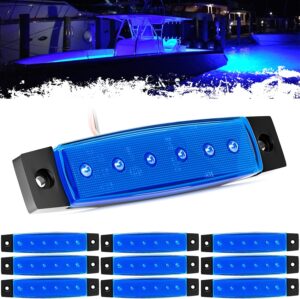
PSEQT LED Boat Interior Lights Mari…
From the brand PSEQT design and production the best Auto & Boat Accessories.We provide —LED boat…
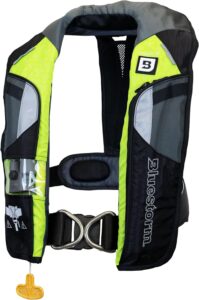
BLUESTORM Stratus 35 Inflatable Lif…
Product description Glowspot Bladder This life jacket includes a new advanced air chamber material by Erez….
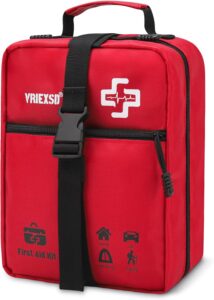
VRIEXSD 400 Piece Large First Aid K…
Product description TRY VRIEXSD FIRST AID KIT VRIEXSD hope that every user can have a calm…
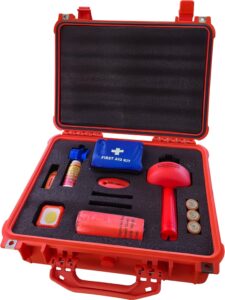
Sirius Signal MK-1001 Boating Safet…
Product description The video showcases the product in use.The video guides you through product setup.The video…
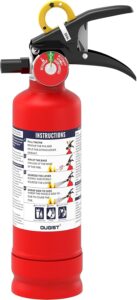
Ougist ABC Fire Extinguisher for Ho…
Product description EASY TO USE WITHOUT TRAINING:Patented handle design removes the safety pin—no twisting, no fiddling….
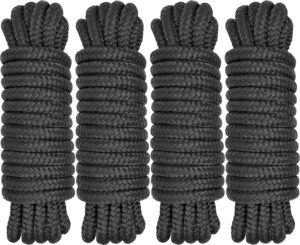
Boat Dock Lines 1/2″ x 15R…
From the brand Shop 1/2 Inch Boat Dock Lines Shop 5/8 Inch Boat Dock Lines Shop…
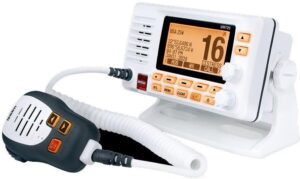
Uniden UM725 Marine VHF Radio, All …
The Uniden UM725 VHF marine comes packed with the latest features, including IPX8 submersible waterproof rating,…
