
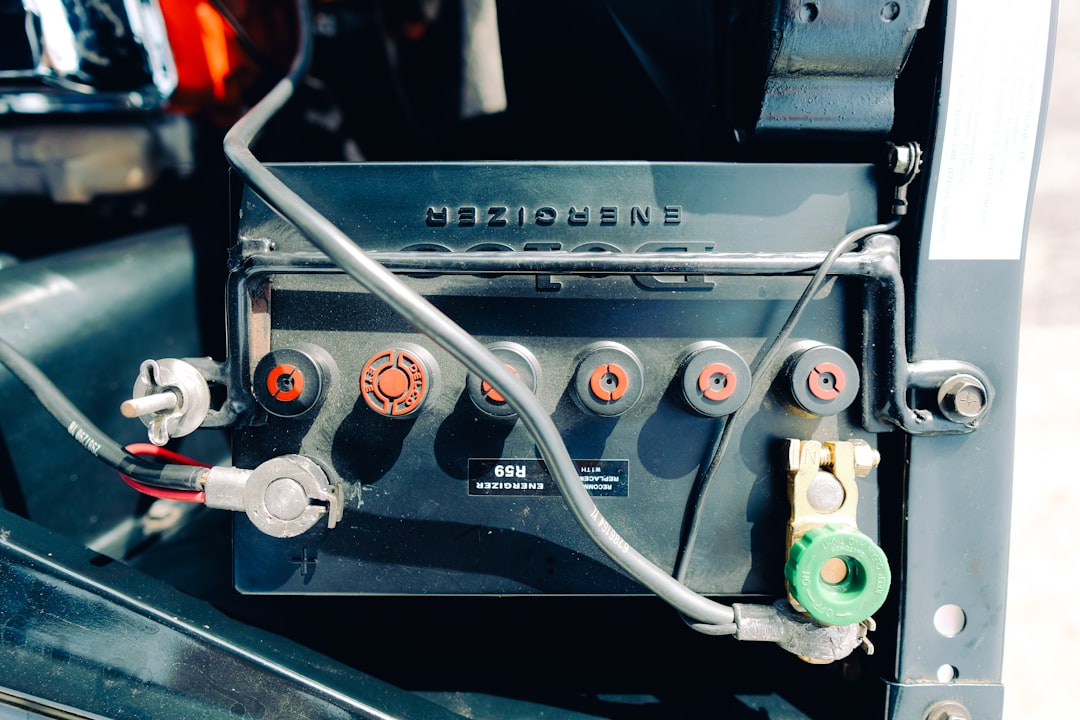
Boat Battery Care Tips Every Owner Should Follow
Healthy batteries are the backbone of safe, reliable boating. Whether you rely on a starting battery for an outboard or a bank of deep-cycle batteries for trolling and house power, routine care reduces failures, extends service life, and keeps you on the water.
These practical, no-nonsense steps will help you inspect, maintain, and store batteries correctly — plus prepare for emergencies. For more gear and resources from US Nautics, check our catalog at US Nautics.
Understand Your Battery Types
Start by identifying the battery chemistry on your boat: flooded (wet) lead-acid, AGM, gel, or lithium. Each type has different charging profiles, ventilation needs, and maintenance steps. Flooded batteries require water topping and venting; AGM and gel are sealed but sensitive to overcharging; lithium offers weight and cycle advantages but needs a compatible charger and battery management system (BMS).
Check the battery label or owner manual for recommended charge voltages, and write those specs on a maintenance checklist so every season you follow the right procedures.
Regular Inspection and Cleaning
Inspect batteries at least monthly during the boating season. Look for cracked cases, bulging tops, or wetness from leaks. Test terminal tightness and check for white or green corrosion.
Always wear protective gloves and eye protection when you work on batteries — acid and corrosion are hazardous. Quality Boating Gloves reduce risk and give better grip when cleaning terminals or removing caps.
Cleaning: disconnect negative first, then positive. Use a baking soda and water paste to neutralize acid deposits, brush gently with a terminal brush, rinse, and dry. Reapply marine-grade terminal grease or anti-corrosion spray and torque terminals to manufacturer specs.
Connections, Terminals & Securing the Compartment
Loose or corroded connections are the leading cause of starting problems and unexpected power loss. After cleaning, inspect cables for frayed strands, kinks, or soft spots. Replace damaged cables and use proper marine-grade crimps and heat-shrink boots for a solid connection.
Make sure battery boxes and compartments are secure and weatherproof. A good latch or handle on hatches prevents vibration damage and keeps terminals from rubbing. If your compartment needs a reliable closure, consider marine-grade hardware such as a Boat Hatch Latch T Handle to keep things sealed and protected.
Charging Best Practices and Onboard Charging
Use a charger matched to your battery type and set to the correct charge profile. Smart chargers with multi-stage charging (bulk, absorption, float) prevent overcharge and sulfation. For boats with multiple batteries, use an isolator, combiner, or properly configured battery management system to avoid uneven charging.
When charging at the dock or using an onboard charger, keep a fire extinguisher rated for electrical and flammable materials close at hand and in good condition; know its location and use. A marine-rated Marine Fire Extinguishers or equivalent will protect you if a thermal event occurs.
Also ensure the boat is properly secured to the dock while charging to prevent sudden movement that could damage cords, fittings, or connections. Reliable Boat Dock Lines help keep the boat steady so cables stay connected safely.
Preventing Parasitic Drain and Managing Loads
Parasitic or phantom drains — small draws from bilge pumps, stereos, navigation lights, alarms, or LED strips — can flatten batteries over days or weeks. Before leaving your boat for a while, switch off nonessential electronics and consider a battery disconnect switch for longer-term storage.
When upgrading cockpit or cabin lighting, choose low-draw, marine-rated LED fixtures designed for minimal standby current. For example, purpose-built strips and courtesy lights such as PSEQT LED Boat Interior Lights reduce load and help preserve battery charge while delivering usable illumination.
Proper Storage, Winterizing, and Long-Term Maintenance
If you winterize or store your boat, remove batteries when possible and store them in a cool, dry place on a non-conductive surface. Maintain a full charge and use a smart float charger or trickle charger periodically to prevent sulfation in lead-acid batteries. For lithium, follow manufacturer guidance for storage state-of-charge and temperature limits.
If you store the boat on the trailer or in the covered slip, protect batteries from moisture and UV exposure. Using a breathable cover for the boat — such as a quality Pontoon Boat Covers for larger decks — helps regulate temperature and keeps compartments drier, reducing corrosion and prolonging battery life.
Emergency Planning and Backup Power
Always plan for power loss when you’re on the water. Keep portable jump-starters accessible and know how to connect them safely. Keep essential safety gear with independent power sources: lights, signals, and communication devices.
As part of your emergency kit, include a visual and audible signaling kit and spares for batteries or charged backup units. A ready-made Boat Emergency Signal Kits ensures you have the tools to signal or stay safe even if your primary batteries fail.
Checklist: Quick Battery Care Routine
- Monthly visual inspection: case, terminals, straps, and mounts.
- Clean terminals and apply anti-corrosion grease after disconnecting.
- Test voltage and specific gravity (if applicable) before season start.
- Use a smart charger set to the correct chemistry and profile.
- Disconnect or use isolators on long-term storage; maintain float charging.
- Secure battery compartment with marine-grade hardware and covers.
- Keep a marine-rated fire extinguisher and emergency signaling gear aboard.
FAQ
Q: How often should I charge my boat battery?
A: Top up as needed; use a smart charger to maintain float charge when not in use. For seasonal boats, charge monthly or keep connected to a float maintainer.
Q: Can I mix old and new batteries or different types?
A: Avoid mixing ages or chemistries. Pairing mismatched batteries leads to uneven charging and shortened life. If you must mix, isolate with a battery switch and charge separately.
Q: What is the best way to store batteries in winter?
A: Remove batteries when feasible, store in a cool dry spot, bring to full charge before storage, and maintain with a float charger. For lithium, follow manufacturer SOC and temperature guidelines.
Q: My battery reads full voltage but the engine won’t start — why?
A: A surface charge can give a false high voltage; perform a load test or check cranking amps and cable/terminal condition. Weak cells or poor connections often cause this issue.
Q: Are sealed batteries completely maintenance-free?
A: Sealed AGMs and gels don’t require watering but still need terminal cleaning, correct charging, and protection from extreme temperatures.
Conclusion
Consistent, simple care extends battery life, improves reliability, and keeps your boat ready. Prioritize correct charging, secure compartments, clean connections, and a basic emergency plan. A few minutes each month of inspection and maintenance will prevent most battery-related breakdowns and protect your investment on the water.
Products Featured in This Article
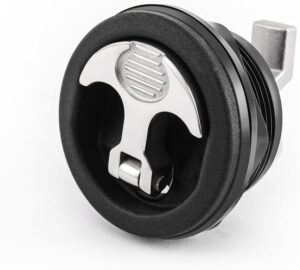
Boat Hatch Latch T Handle, Marine G…
From the brand Tired of boating gear that wears out fast? Bset Matel delivers innovative accessories…

PSEQT LED Boat Interior Lights Mari…
From the brand PSEQT design and production the best Auto & Boat Accessories.We provide —LED boat…
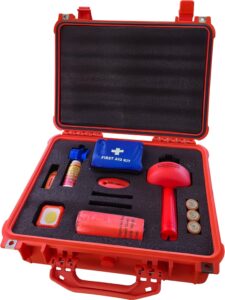
Sirius Signal MK-1001 Boating Safet…
Product description The video showcases the product in use.The video guides you through product setup.The video…
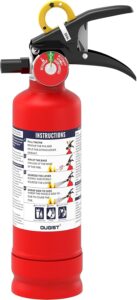
Ougist ABC Fire Extinguisher for Ho…
Product description EASY TO USE WITHOUT TRAINING:Patented handle design removes the safety pin—no twisting, no fiddling….

Boat Dock Lines 1/2″ x 15R…
From the brand Shop 1/2 Inch Boat Dock Lines Shop 5/8 Inch Boat Dock Lines Shop…
