

Boat Cleaning Tips to Keep Your Vessel Looking New
Keeping a boat looking new is mostly about consistency and using the right methods and products. Simple habits—rinsing after each use, protecting soft surfaces, and scheduling deeper maintenance—prevent the hard work later.
This guide collects practical, trustworthy tips you can apply whether you own a small runabout, a pontoon, or a yacht. Below you’ll find step-by-step cleaning advice, product-focused recommendations, a short checklist, and a Frequently Asked Questions section to help you maintain a like-new finish season after season.
Plan your cleaning routine
Set a realistic schedule: light cleaning after every outing, weekly spot checks during active season, and a thorough monthly or seasonal deep clean. Keep a small cleaning kit on board with a hose, soft brushes, microfiber towels, and a few targeted cleaners to save time and avoid last-minute scrambles for supplies. For a full set of purpose-made products, consider browsing Yacht Cleaning Supplies.
Rinse salt and grime immediately
Saltwater crust accelerates corrosion and dulling. After each saltwater outing, flush the hull, deck, outboard, and exposed metal with fresh water. Use low-pressure rinse for upholstery and higher flow for the hull. If you spot stubborn salt stains on lower surfaces or hardware, treat them promptly to prevent etching.
Gelcoat and hull cleaning: remove oxidation and stains
Gelcoat dulling and light oxidation are common. Start with a marine-safe cleaner to lift grime, then move to a compound or polish for oxidation and restoring shine. For polishing and protecting gelcoat in one step, a reliable option is 3D Marine & RV All-in-One Gel-Coat Compound Polish. Use a dual-action polisher for larger boats and a soft pad by hand for tight areas; always follow product instructions and work in small sections.
Vinyl and upholstery care
Vinyl seating and cushions need gentle cleaning to stay soft and crack-free. Use a non-abrasive, marine-grade vinyl cleaner that lifts dirt without stripping conditioners. For regular spot cleaning and canvas/vinyl care, the 303 Marine Multi-Surface Cleaner for Vinyl Canvas 32 oz is formulated for upholstery and canvas. Wipe gently with a soft brush and rinse thoroughly. If your seat foam or covers need replacement or protection, look at compatible accessories in Pontoon Boat Seats.
Canvas, covers and storage protection
Canvas, Bimini tops, and covers trap dirt and mildew if stored wet. Always dry canvas thoroughly before folding. Clean canvas with a mild cleaner and soft brush, then treat with a water-repellent fabric protectant. For long-term protection of pontoons and seasonal storage, choose a properly fitting cover to reduce dirt and UV exposure; shop options like Pontoon Boat Covers.
Hardware, lines and fenders: small items matter
Stainless fittings, cleats, and railings show wear quickly if neglected. Use non-scratch cleaners and a dedicated metal polish for stainless steel, and remove salt deposits from bolts and hinges. Dock lines and mooring ropes get abrasive salt and algae—wash them with fresh water and mild detergent, then air dry. Keep fenders clean to avoid transferring scuffs to hull sides; maintenance items and replacements like Yacht Fenders and durable dock lines such as Yacht Dock Lines extend service life when properly cleaned and stored.
Bilge, engine bays and odor control
Bilges accumulate oil, fuel residues, and debris. Remove solids, then flush with an appropriate bilge cleaner and repeat until water runs clear. Use absorbent pads for fuel or oil leaks. Keep engine bays free of loose debris and salt; rinse periodically and check for corrosion. Proper cleaning reduces odors and increases safety. Dispose of contaminated rinsate and materials according to local regulations.
Seasonal deep clean and protective maintenance
At season start and end, perform a full inspection and deep clean: compound and polish the hull, treat vinyl and canvas, lubricate moving parts, and verify hardware tightness. Re-apply wax or sealant after polishing to protect finishes. Address small repairs—scratches, loose hardware—before they become major issues. A scheduled deep clean protects value and prevents accelerated deterioration.
Quick cleaning checklist
- Rinse entire boat with fresh water after every saltwater use.
- Wipe down upholstery and dry covers before stowing.
- Weekly: spot-clean deck, fittings, and glass; check for salt buildup.
- Monthly: polish gelcoat touch-ups, clean bilge, inspect hardware.
- Seasonally: compound/polish hull, wax/seal, clean and store lines/fenders.
FAQ
- Q: How often should I wax my boat?
A: Waxing every 2–4 months during peak season keeps UV protection intact; after polishing, reapply sealant to extend intervals. - Q: Can I use household cleaners on my boat?
A: Avoid harsh household cleaners that can strip protectants or damage finishes—use marine-specific products for vinyl, canvas, and gelcoat. - Q: What’s the best way to remove mildew from canvas?
A: Use a mildew-specific marine cleaner, a soft brush, rinse thoroughly, and dry completely before storing to prevent recurrence. - Q: How do I prevent oxidation on the hull?
A: Regular washing, prompt removal of contaminants, and periodic compounding/polishing followed by wax or sealant prevents and reduces oxidation. - Q: How should I clean stainless steel without scratching it?
A: Use non-abrasive cleaners and soft cloths or brushes; remove salt deposits frequently and polish with products designed for marine stainless steel.
Conclusion
Consistent small actions prevent big problems: rinse after use, clean soft surfaces gently, polish and protect finishes periodically, and store gear dry. Keep the right marine cleaners and covers on hand to protect finishes and components—regular care keeps your vessel looking new and reduces long-term repair costs.
Products Featured in This Article
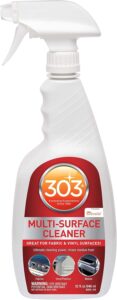
303 Marine Multi-Surface Cleaner fo…
Product description The video showcases the product in use.The video guides you through product setup.The video…
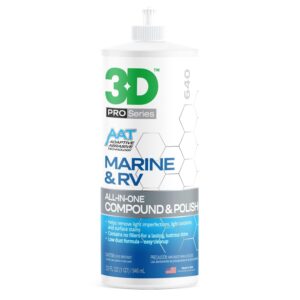
3D Marine & RV All-in-One Gel-…
Product description The video showcases the product in use.The video guides you through product setup.The video…
