
Boat Cover Care Guide: How to Protect and Maintain Your Cover
Boat covers are one of the most cost-effective ways to protect your investment. A well-maintained cover keeps UV, rain, dirt, and critters away from upholstery, electronics, and deck fittings, extending the life of the boat and reducing repair bills.
This guide gives practical, step-by-step care and maintenance advice you can use today—cover selection, cleaning, inspection, repairs, storage, and safety checks—so your cover does its job year after year.
Why a Good Cover Matters
Beyond keeping water and debris off, a properly fitted cover controls moisture and airflow, preventing mildew and corrosion. Covers also protect against sun deterioration: fabrics and thread break down slowly under UV exposure, and small rips grow if left unaddressed. Investing time in routine care preserves the fabric and saves money in the long run.
Choosing the Right Cover
Choose a cover designed for your boat type and intended storage method. A cover made for enclosed indoor storage is different from a heavy-duty, breathable cover for outdoor wintering. If you own a pontoon, use a purpose-built solution that accounts for rails and furniture—browse options focused on that design to ensure a proper fit: Pontoon Boat Covers.
Fit, Fastening, and Hardware
Fit is everything. A loose cover flaps and abrades; an overly tight one strains seams. Check attachment points (grommets, straps, buckles) and mooring lines you use to hold the cover in place. Quality dock lines reduce stress on the cover when the boat moves in wind or current—use marine-grade lines matched to the load: Boat Dock Lines.
Securing Covers for Transport
When trailering, covers must be secured differently than when docked. Use rated tie-downs and transom straps to prevent the cover from ballooning or shifting. Heavy-duty, adjustable transom straps keep the cover and boat stable on the trailer and reduce wear to seams and fittings: Rhino USA Boat Trailer Straps.
Cleaning and Mildew Prevention
Routine cleaning prevents stains, salt buildup, and mold. Remove loose debris with a soft brush, then hose down. Use a mild soap or a cleaner formulated for marine fabrics; avoid bleach and harsh detergents that strip coatings. Rinse thoroughly and dry completely before folding or storing—the single most common cause of mildew is storing damp fabric.
Remove portable electronics and lighting before deep cleaning; inspect fixtures and wiring under the cover. If you have onboard lighting or removable courtesy strips, take them out or protect them to avoid trapping moisture against the fabric: Pontoon Boat Lighting.
Inspecting and Repairing Damage
Inspect your cover monthly during the season and after storms. Look for small punctures, frayed stitching, torn hems, weakened straps, and corroded fasteners. Small tears are easier to repair promptly—use marine-grade patch kits or UV-stable seam tape for fabric repairs. Check the condition of attachment hardware (zippers, snaps, buckles) and replace or lubricate them as needed; for hatch and compartment hardware, make sure latches and cams operate smoothly: Boat Hatch Latch T Handle.
Storage and Seasonal Care
Before long-term storage, wash and dry the cover completely, then apply a fabric protectant recommended by the cover manufacturer if appropriate. Store folded loosely in a breathable bag or container off the ground in a cool, dry place. For boats stored outdoors, remove snow frequently, and avoid leaving the cover under heavy, compacted snow.
Consider keeping essential emergency tools and signaling devices accessible in case you need to inspect the boat during winter storms or storms in marina slips: order a compact kit so you’re prepared: Boat Emergency Signal Kits.
Safety and On-Board Preparedness
While the cover protects the boat, safety gear should be readily available in case you need to access the boat quickly. Keep a small first-aid kit on the boat or in the vehicle used for maintenance so you can treat minor injuries from repairs or hardware mishaps: Marine First Aid Kits.
Routine Maintenance Schedule
Set a simple maintenance rhythm to reduce surprises:
- Weekly: Brush off debris, shake out leaves, and inspect tension.
- Monthly: Full visual inspection of fabric, seams, and fasteners.
- Every 3–6 months: Clean per manufacturer instructions and reapply protectant if recommended.
- Before storage/winter: Deep clean, dry, repair any damage, and stow properly.
Checklist: Quick Actions for Cover Care
- Remove loose debris after every trip.
- Rinse saltwater off after exposure to marine environments.
- Dry completely before folding or bagging.
- Repair small tears and replace broken straps immediately.
- Secure covers properly for trailering and storage.
- Store covers in a breathable container away from direct sunlight.
Conclusion — Practical Takeaway
A clean, well-fitted, and regularly inspected cover saves money and preserves your boat’s condition. Follow the simple schedule above, repair small problems immediately, and use the right hardware and accessories for tension and transport. Consistent, straightforward care keeps your cover functioning for seasons to come.
FAQ
- How often should I clean my boat cover?
Clean it monthly if you use the boat frequently and after any heavy soiling or salt exposure. Always dry fully before storing.
- Can I use household detergents or bleach?
No—avoid bleach and strong detergents. Use a mild soap or a cleaner made for marine fabrics to protect waterproof coatings and UV treatments.
- What’s the best way to dry a wet cover?
Air-dry the cover fully on a line or draped over rails. Do not fold or bag while damp; trapped moisture causes mildew and odors.
- Are small rips worth repairing?
Yes. Small tears quickly expand under wind and load. Use marine-grade patches or seam tape, and replace compromised straps or fasteners.
- How should I secure the cover for long trailering trips?
Use rated transom straps and make sure all grommets and buckles are snug. Double-check tension after the first few miles and at stops to avoid flap damage.
- Any extras I should consider when replacing a cover?
Look for breathable fabrics, reinforced stress points, and consider accessory upgrades for easy handling. If you want ideas for practical upgrades and gifts for boaters, see curated options here: Boating Gift Ideas.
Products Featured in This Article
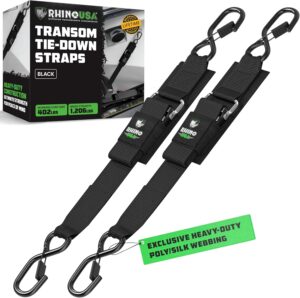
Rhino USA Boat Trailer Straps (2-Pa…
From the brand Rhino USA is a small family business founded by a father and two…
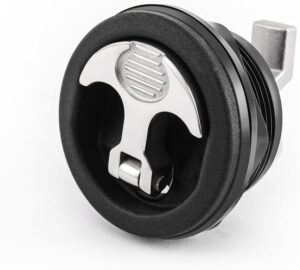
Boat Hatch Latch T Handle, Marine G…
From the brand Tired of boating gear that wears out fast? Bset Matel delivers innovative accessories…
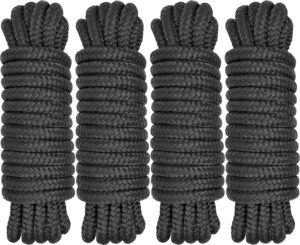
Boat Dock Lines 1/2″ x 15R…
From the brand Shop 1/2 Inch Boat Dock Lines Shop 5/8 Inch Boat Dock Lines Shop…
