Boat Docking Etiquette Every Boater Should Know
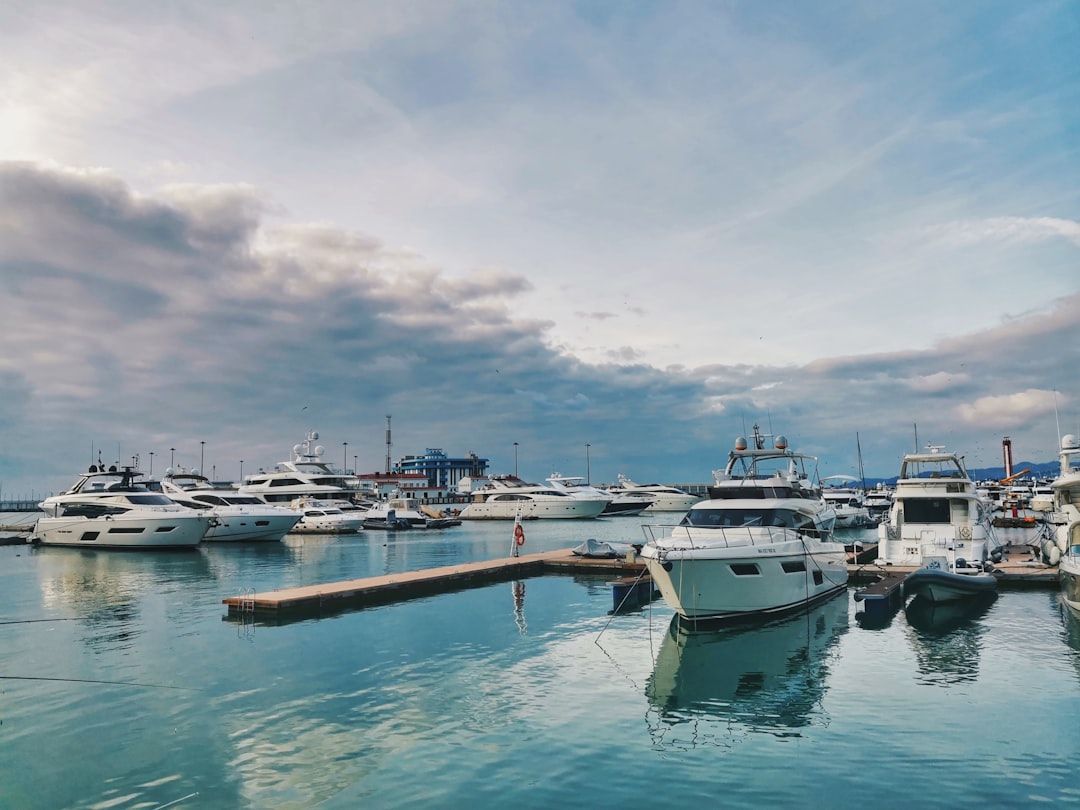
Docking is the moment when seamanship and courtesy meet. Whether you’re tying up after a day on the water or maneuvering into a slip at a crowded marina, smooth docking depends on preparation, clear communication, and respect for other boaters and property.
This guide covers practical docking etiquette and techniques that reduce damage risk, speed up the process, and keep everyone safe. Read through the sections below, follow the checklist, and review the FAQ before your next outing.
Plan your approach
Before you get within 100 yards, assess wind, current and traffic. Pick a primary and a backup docking side and approach at slow idle speed so you have time to correct. If you’ll be handing off fenders or grabbing a dock line, a reliable pole or hook is indispensable; keep a boat hook handy and marked so the crew can pass it quickly when needed: EVERSPROUT Telescoping Boat Hook.
Communicate clearly and early
Assign roles before your approach: who handles the bow line, stern line and fenders. Use simple, loud commands and confirm that the person on the dock or your crew understands. For brief audible alerts or attention-getting when visibility is limited, keep a safety whistle accessible for the person at the bow or helm: Boat Safety Whistles.
Prepare your docking gear
Docking gear should be pre-positioned: lines coiled and ready, fenders out, and cleats unobstructed. Choose dock lines appropriate to your boat size and the berth’s layout. High-quality dock lines make a big difference when changing tide or in surge-prone marinas—inspect them regularly and replace frayed or stiff lines: Yacht Dock Lines.
Fenders, bumpers, and placement
Fender placement is dictated by hull shape and dock cleat positions. Put fenders at points where the boat is likely to contact the dock or other boats: midships and near the stern for most powerboats; more forward on pontoons. For boats that need extra protection or are docking in narrow slips, inflatable bumpers can provide additional shock absorption and reduce chafe: Inflatable Boat Bumpers for Docking.
Assign crew roles and handle lines properly
Clearly stated roles speed docking. The bow person should be responsible for the forward line and fender adjustment; the stern person monitors reverse thrust and handles the stern line. Avoid the temptation to throw heavy coils — pass them underhand and ready to fasten. When handing lines to dock hands or other boaters, use a short bight or loop to keep motion controlled and avoid tangles. Keep a set of short dock lines for quick stern or bow adjustments: Boat Dock Lines 1/2″ x 15′.
Cleat etiquette and secure tying methods
Never step on a cleat; approach it from the side and keep your fingers clear of pinch points. Use a cleat hitch or figure-eight and tuck technique for quick-release security. Avoid multiple wraps that can jam under load. If the dock’s cleat layout is awkward, consider using fixed snubbers or a spring line to keep the boat from rubbing. Well-maintained hardware also matters — inspect your cleats periodically and replace corroded or loose units: Boat Cleat.
Respect marina rules, slips and neighbors
Observe posted speed limits, wake zones and transient berth check-in procedures. Don’t crowd another boat’s slip while waiting — hold off or drift outside the marina’s approach channel until it’s your turn. If you need to temporarily tie alongside another vessel, ask permission and be prepared to depart promptly. Keep lines and fenders of your neighbors in mind; avoid trailing ropes across walkways or piling them where they’ll trip others.
Special considerations for pontoons and smaller craft
Pontoons and flat-bottom boats can be more susceptible to gusts and surge; they often need extra fender coverage along the rail. Lightweight boats are also more affected by prop wash from larger vessels. Consider additional bumpers designed for softer hulls and quick-to-deploy fender positioning. If you carry accessories for day-use, stow them before docking to eliminate tripping hazards and loose gear: Inflatable Boat Bumpers for Docking (for pontoon protection) and keep seating and deck areas uncluttered.
Prioritize safety equipment and emergency readiness
Even routine docking can present injury risks. Keep a first aid kit accessible and stocked for cuts, sprains or minor injuries that can occur while handling lines or moving on a wet deck: Marine First Aid Kits. Regularly check fire extinguishers and signaling devices so they’re usable if needed. A well-organized safety locker helps you find items quickly during an incident.
Common mistakes and how to avoid them
Typical docking errors include approaching too fast, failing to assign roles, over-relying on reverse throttle corrections, and neglecting to pre-deploy fenders. Avoid last-second decisions—slow down early. Have lines coiled and fenders out before you reach the slip. Practice tying common hitches until they’re second nature so your crew can execute calmly under pressure.
Equipment recommendations for smoother docking
Small upgrades reduce stress: comfortable deck shoes for grip, a properly sized boat hook, reliable dock lines and soft fenders. If you frequently use a single marina, map the slip layout in advance to note cleat locations, pilings and any hazards. Keep a compact kit of docking-specific gear in a dedicated bag or compartment so it’s always ready.
- Pre-position fenders and lines before the final approach.
- Assign and confirm roles with simple commands.
- Approach slowly and use throttle in small, controlled bursts.
- Use appropriate lines and cleat hitches; avoid stepping on cleats.
- Keep safety gear accessible and in good condition.
Checklist before leaving the dock
- Lines coiled and stowed; no tripping hazards on deck.
- Fenders retrieved or secured for travel.
- All passengers seated with life jackets accessible.
- Engine and bilge checks completed.
- Visual confirmation that neighboring boats are clear to depart.
FAQ
- Q: How close should I approach the dock before putting out fenders?
A: Put fenders out with plenty of time — at least 100–200 feet if you’re moving slowly — so they’re properly positioned before you arrive.
- Q: What’s the safest knot for docking?
A: The cleat hitch is standard for quick, secure mooring; a figure-eight tuck or spring line adds security against surge.
- Q: Can I tie to another boat in a pinch?
A: Only with permission and readiness to depart quickly. Keep clear communication and ensure both captains agree on lines and fendering.
- Q: What should I have on hand for minor injuries during docking?
A: A compact marine first aid kit with bandages, antiseptic, and blister supplies is essential: Marine First Aid Kits.
- Q: How do I handle docking in strong cross-winds?
A: Approach at an angle into the wind, use a spring line quickly to pivot the stern or bow, and be ready to use engine bursts for fine control. Additional fendering helps absorb contact if you get bumped.
Docking well is a mix of preparation, calm execution and courtesy. Practice these steps, keep your gear maintained, and communicate clearly — you’ll reduce stress, prevent damage, and leave the dock with confidence. For reliable dock lines, fenders and protective gear to improve your docking routine, consider quality products like Yacht Fenders, Boat Dock Lines, and a dependable inflatable bumper for extra protection.
Products Featured in This Article
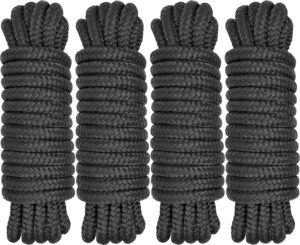
Boat Dock Lines 1/2″ x 15R…
From the brand Shop 1/2 Inch Boat Dock Lines Shop 5/8 Inch Boat Dock Lines Shop…
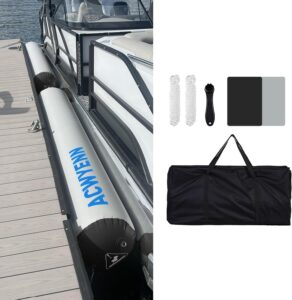
Inflatable Boat Bumpers for Docking…
Boat Fender GREAT FOR BOAT PROTECTION: ACWYENN inflatable boat fender offers great boat protection when tying…
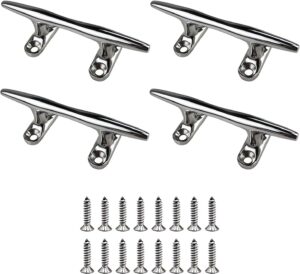
Boat Cleat, 4″/5″/6R…
Boat Cleat,2 PACK 4 inch Marine Grade 316 Stainless Steel Open Base Dock Cleat Rope Cleat…
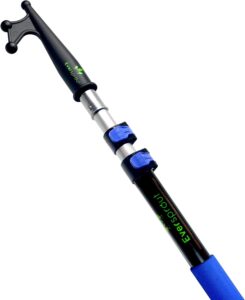
EVERSPROUT Telescoping Boat Hook | …
Product description Eversprout 5-to-13 Foot Telescoping Boat Hook | Floats, Scratch-Resistant, Sturdy Design | Durable &…
