

Boat Ramps: Tips for Launching and Loading
Launching and loading at boat ramps are basic skills every boater should master. A confident, methodical approach reduces stress, saves time, and protects your boat, trailer, and other ramp users.
This guide covers practical steps, equipment recommendations, ramp etiquette, and common pitfalls—so you can get on the water and back ashore safely and efficiently.
Pre-launch preparation: plan before you arrive
Before you back down the ramp, complete a quick vehicle and boat checklist. Confirm your trailer lights work, the winch and safety chain are secure, and drain plugs are installed. Load loose items, lock hatches, and stow gear so nothing shifts during backing and launching. For easier access to the trailer, consider using convertible trailer steps to reach high points and check connections safely.
Approach and positioning at the ramp
Scout the ramp before blocking the lane. Look for water depth, current direction, wind, and submerged hazards. Choose a ramp position that matches your trailer length and boat type—longer boats need deeper water near the end of the ramp. Keep engines tilted up while backing until the stern is in the water, and have one person outside the vehicle to direct if visibility is limited.
Launching: slow, controlled, consistent
Back the trailer down until the boat is buoyant and begins to float off the bunks. Do not fully submerge the trailer unnecessarily; it increases corrosion and makes recovery harder. Put the vehicle in park, set the parking brake, and leave the engine in gear for manual control. Release the winch slowly while someone holds the bow line to steady the boat. If you launch a pontoon, a portable boarding ladder like the Hoffen 4 Step Pontoon Boat Ladder is useful for boarding once the boat is afloat.
Loading and recovery: be methodical
Approach the ramp slowly and line up the boat with the trailer centerline. Trim up the motor slightly to reduce prop damage while sliding onto the bunks. Use short bursts of throttle to control momentum—too much speed can overshoot the trailer; too little can cause the boat to float off-camera with the current. Guide the bow onto the winch post and secure the bow strap before pulling the trailer out of the water.
Securing your boat for the drive home
Once the boat is on the trailer, reinforce transom and bow straps, and attach safety chains. Heavy-duty tie-downs make a measurable difference; avoid frayed or weak straps. For dependable tie-downs that reduce movement during transport, many boaters choose products like Rhino USA Boat Trailer Straps.
Gear and accessories that make ramp time easier
Small gear upgrades cut ramp time and improve safety. A solid boat grab handle at the transom or boarding area gives passengers secure handholds when stepping between dock, ramp, and boat. Durable dock cleats provide reliable tie-off points while you prepare the trailer; consider replacing worn hardware with sturdy 4 inch dock cleats where appropriate.
For frequent launchers or boats with higher freeboard, add boarding aids to simplify getting on and off the vessel—browse the boat boarding steps category for options that fit your hull and routine. If you mount equipment that must stay secure during trailering, check boat rail mounts for compatible brackets and hardware.
Ramp hazards and how to avoid them
Be alert for soft bottoms, algae, submerged debris, and steep drop-offs. Algae-covered ramps are slippery—wear shoes with good traction and use small, deliberate steps. When other boats are launching, stay clear of the launch lane and avoid blocking the trailer staging area. If your trailer gets stuck due to mud or sand, do not rev the engine aggressively; instead, use low gear, add weight in the tow vehicle, or seek assistance to avoid damaging the hitch or ripping out the winch.
Etiquette and safety around busy ramps
Ramp etiquette speeds operations and reduces conflict. Load and unload quickly—have anglers and passengers ready on shore, pack gear before you leave the vehicle, and move your vehicle after launching to free space for the next user. Always yield to the boat currently backing down the ramp, and avoid casting lines or tying off in the active launch lane. If you’re helping someone, keep clear communication and assign roles so one person handles steering, another manages lines, and one attends the vehicle.
Checklist: quick pre-launch and post-recovery items
- Check trailer lights, hitch, safety chains, and winch strap.
- Install drain plug and secure electronics; stow loose gear.
- Wear appropriate footwear and personal flotation devices.
- Confirm ramp depth, wind, and current before backing down.
- Use handholds and boarding aids to reduce slips—consider a fixed ladder like a pontoon ladder for tall platforms.
- Secure bow and transom straps; use durable tie-downs for transport.
- Clean mud and plant materials from trailer and hull to prevent invasive species spread.
Safety gear to prioritize
Everyone on board should have a properly fitted life jacket. For families, USCG-approved children’s jackets are essential; the Bluestorm Stratus 35 inflatable life jacket is one example of certified adult flotation. Carry a basic marine first aid kit and keep communication devices and signaling gear accessible. Quick access to these items near the transom or in a dry locker helps when conditions change suddenly.
FAQ
- Q: How much of the trailer should go into the water when launching?
A: Only submerge enough so the boat floats off easily; avoid full submersion unless necessary to reach sufficient depth. - Q: Should I disconnect the bow strap before floating off?
A: Yes—release the winch strap slowly once someone is controlling the bow line; never let the boat drift uncontrolled. - Q: What if my trailer gets stuck in mud?
A: Avoid spinning the wheels; add traction under tires, lighten the trailer, push from behind, or call for assistance to prevent damage. - Q: How do I avoid damage to the prop when loading?
A: Trim the motor up slightly as you load and use low, controlled throttle bursts to slide the boat onto the bunks. - Q: Is it OK to leave my boat on the trailer at a marina?
A: Short-term is usually fine, but long-term exposure can accelerate wear—rinse and inspect the trailer regularly and consider seasonal storage options.
Practical takeaway: approach each ramp with a plan—prepare gear and passengers, communicate roles, use the right accessories (steps, handles, straps, cleats) to reduce risk, and practice deliberate, controlled maneuvers. A little preparation before the ramp saves time and keeps everyone safer on every outing.
Products Featured in This Article
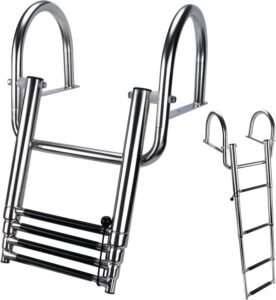
Hoffen 4 Step Pontoon Boat Ladder, …
Product description Hoffen Stainless Steel 4 Steps Pontoon Boat Ladder with Pedal Hand Rail Heavy duty…
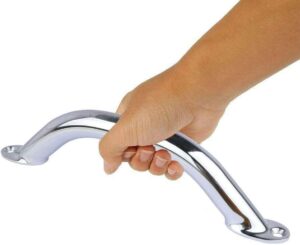
Boat Grab Handle, 9″ Polished…
From the brand About Pebbly Beach Focus On Solve The Problem of Marine Boat Accessories Boat…
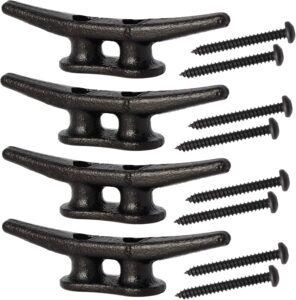
4 inch Dock Cleats 4/6/8/12/16/20/2…
Product Description Boat Cleats 4 inch Dock CleatProduct Size: 4″ (L) x 7/8″(W) x…
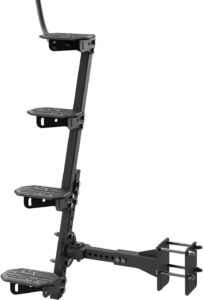
Boat Trailer Steps, Convertible 3 o…
Product description Convertible 3/4-Step: Why choose when you can have both? Our split-pole design lets you…
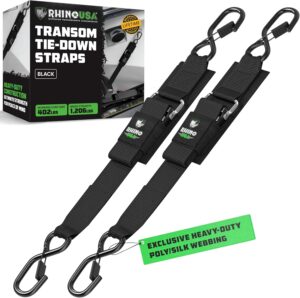
Rhino USA Boat Trailer Straps (2-Pa…
From the brand Rhino USA is a small family business founded by a father and two…
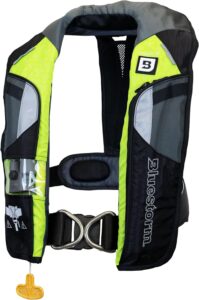
BLUESTORM Stratus 35 Inflatable Lif…
Product description Glowspot Bladder This life jacket includes a new advanced air chamber material by Erez….
