
Boat Storage Guide: Indoor, Outdoor, and Covered Options
Where you store your boat affects maintenance time, longevity, and how quickly you can get back on the water. Choosing the right storage option comes down to your boat type, budget, local climate, and how often you use it.
This guide walks through indoor, outdoor, and covered storage options, prep steps, gear to simplify storing, and a practical checklist so your boat stays protected year-round.
How to choose a storage option
Start by listing priorities: protection from weather, theft prevention, cost, and access frequency. If minimizing corrosion and UV damage is top priority, lean toward indoor or covered options. If cost and quick access matter more, outdoor storage or trailering may be acceptable with the right prep and gear.
For a range of boating products and accessories to help with storage and maintenance, check US Nautics to match gear with your chosen plan.
Indoor storage (warehouse, garage, enclosed shed)
Pros: best protection from UV, rain, and snow; reduced theft and vandalism risk; easier winterization. Cons: higher cost and limited availability in some areas.
Indoor storage prep checklist: clean and dry the boat completely, remove perishables and electronics or secure them in waterproof containers, ventilate to prevent mold, and disconnect batteries or keep them on a tender/maintainer. Adding interior lighting makes inspections easier—consider products like PSEQT LED Boat Interior Lights for low-power, waterproof illumination.
Outdoor open storage (yard, driveway)
Pros: lowest cost and immediate access. Cons: highest exposure to UV, rain, and debris; greater theft risk unless secured.
If you keep your boat outside, prioritize a breathable cover and strong tie-downs. Solar-powered lighting can improve security and visibility around an outdoor storage spot—look at VOLISUN Solar Deck Lights to add motion or dusk-to-dawn illumination without wiring.
Covered storage (carport, boathouse, slip with cover)
Covered options strike a balance: protection from direct sun and precipitation while often costing less than fully enclosed indoor storage. Covers reduce UV fading and interior heat buildup.
For pontoon owners, a tailored cover reduces wind-snag and pooling water—consider dedicated Pontoon Boat Covers built to fit pontoon tubes and rails. Properly installed covers minimize wear and prevent moisture traps.
Trailer storage and tie-down best practices
Trailered storage offers mobility and can be paired with indoor, covered, or outdoor locations. Proper tie-downs and trailer care reduce damage risk during transport and while parked.
Use heavy-duty straps rated for load and weather if you plan to leave the boat on the trailer. Products like Rhino USA Boat Trailer Straps offer strong transom security for trailering and storage. Also support the hull at appropriate points and check trailer tires and bearings before long-term storage.
Dry stack, marina slips, and commercial storage
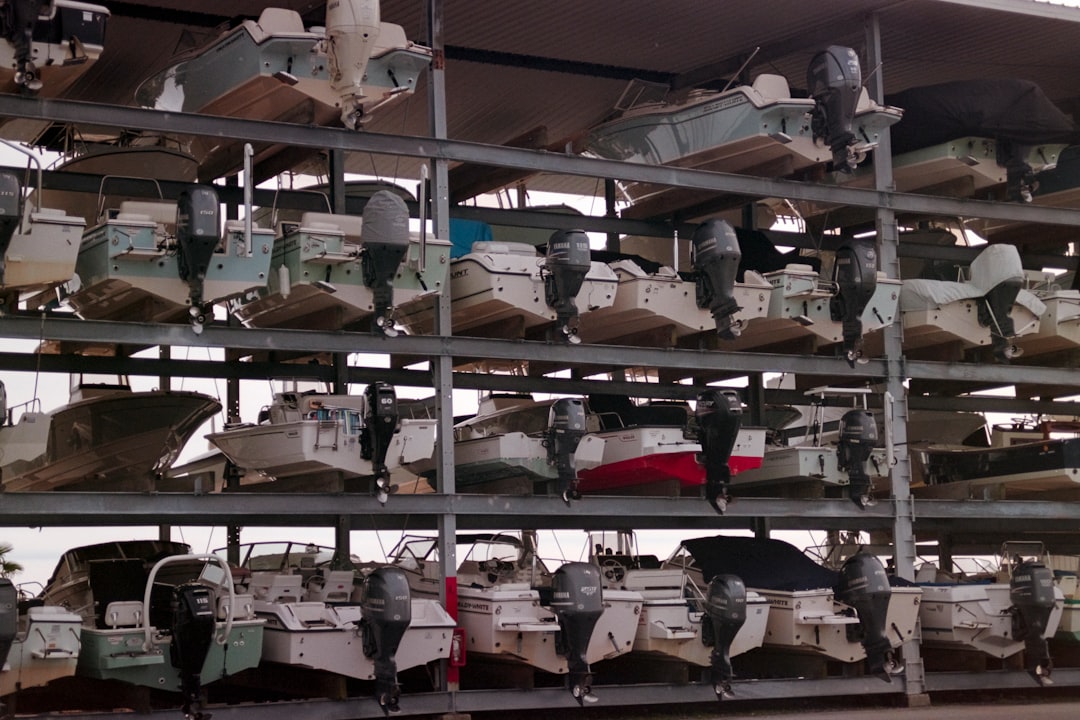
Dry stack storage (racked indoor storage) is excellent for reducing hull exposure to water and for owners who want fast launch/retrieval. Marinas offering covered slips provide protection and often include security and basic maintenance services.
Consider proximity to launch sites, insurance requirements, and any winterization services offered. If you frequently fish, check whether the facility allows on-site gear storage or requires you to remove livewells, batteries, or other equipment.
Gear and accessories that simplify storage
Organizing removable gear reduces onboard clutter and prevents damage while the boat is stored. Waterproof containers and tackle boxes, rod holders, and compact cleaning/fillet stations keep equipment safe and easy to relocate.
- Keep tackle dry and organized with a waterproof storage like KastKing HyperSeal Waterproof Tackle.
- Store rods securely using a compact rod rack such as a Premium Aluminum Boat Rod Holder or a rail-mounted solution to prevent tip damage during transit.
- For anglers who clean catch at the dock or before stowing gear, a portable cutting board helps contain mess—see the Pactrade Marine Bait Cutting Board.
Seasonal prep and maintenance for stored boats
Winterize or summerize based on local climate. Key steps: flush engines and systems with appropriate treatments, fog internal motor parts if recommended, change or stabilize fuel, remove batteries or maintain them on a trickle charger, clean and dry upholstery, and protect electronics in waterproof cases.
Document maintenance with dates and notes before storage so the boat is ready to go when you return. Regular checks (monthly or bi-monthly) for pests, moisture, or cover damage catch problems early.
Quick storage checklist
- Thorough wash and dry (bilges, lockers, upholstery)
- Drain water systems and add antifreeze where necessary
- Stabilize fuel and run engine briefly to circulate
- Disconnect or maintain batteries
- Secure loose gear; store valuables off-boat in waterproof containers
- Use breathable covers and verify tie-downs
- Label and inventory stored items
- Schedule routine inspection dates
FAQ
-
Q: Is indoor storage always worth the extra cost?
A: If you want maximum protection from UV and weather, lower long-term maintenance, and reduced corrosion, indoor storage is usually worth the cost—especially for boats with sensitive electronics or expensive upholstery. -
Q: Can I leave my boat on the trailer outside long-term?
A: Yes, if you prepare it properly: secure straps, cover, ventilate, maintain tires, and perform regular inspections to prevent moisture buildup and pest issues. -
Q: What cover type is best for pontoon boats?
A: A fitted pontoon cover that supports water runoff and vents moisture is ideal—look for materials rated for UV resistance and breathability designed specifically for pontoons. -
Q: How often should I inspect a stored boat?
A: Monthly checks are recommended for outdoor and trailer storage; indoor stored boats can be inspected every 1–3 months depending on climate and storage security. -
Q: Should I remove fishing gear when storing the boat?
A: Remove perishables and anything that can trap moisture or attract pests. Store rods, tackle, and electronics in waterproof containers or racks to prevent damage.
Conclusion
Pick the storage option that balances protection, cost, and access. Regardless of location, follow a consistent prep routine, use appropriate covers and tie-downs, and store gear properly so your boat stays ready for the water with minimal maintenance.
Products Featured in This Article
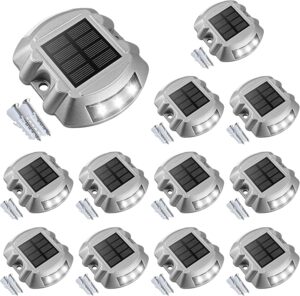
VOLISUN Solar Deck Lights Driveway …
From the brand Solar deck lights for driveway Solar deck lights for dock Solar post cap…
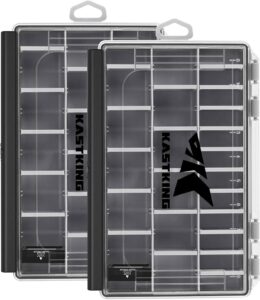
KastKing HyperSeal Waterproof Tackl…
From the brand Fishing Backpack Fishing Sling Bag Fishing Tackle Storage Bags Tackle Box Tool Set…
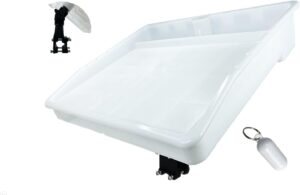
Pactrade Marine Bait Cutting Board …
From the brand Mission of Pactrade Marine Our main goal is to deliver products with the…
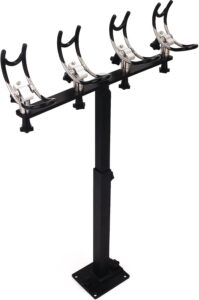
Premium Aluminum Boat Rod Holder &#…
🎣 Elevate Your Fishing Game with Mojiate’s Heavy-Duty Boat Rod Holder! Whether you’re chasing crappie on…
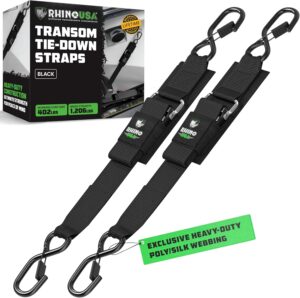
Rhino USA Boat Trailer Straps (2-Pa…
From the brand Rhino USA is a small family business founded by a father and two…
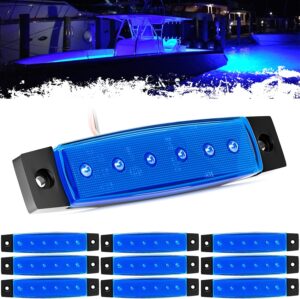
PSEQT LED Boat Interior Lights Mari…
From the brand PSEQT design and production the best Auto & Boat Accessories.We provide —LED boat…
