
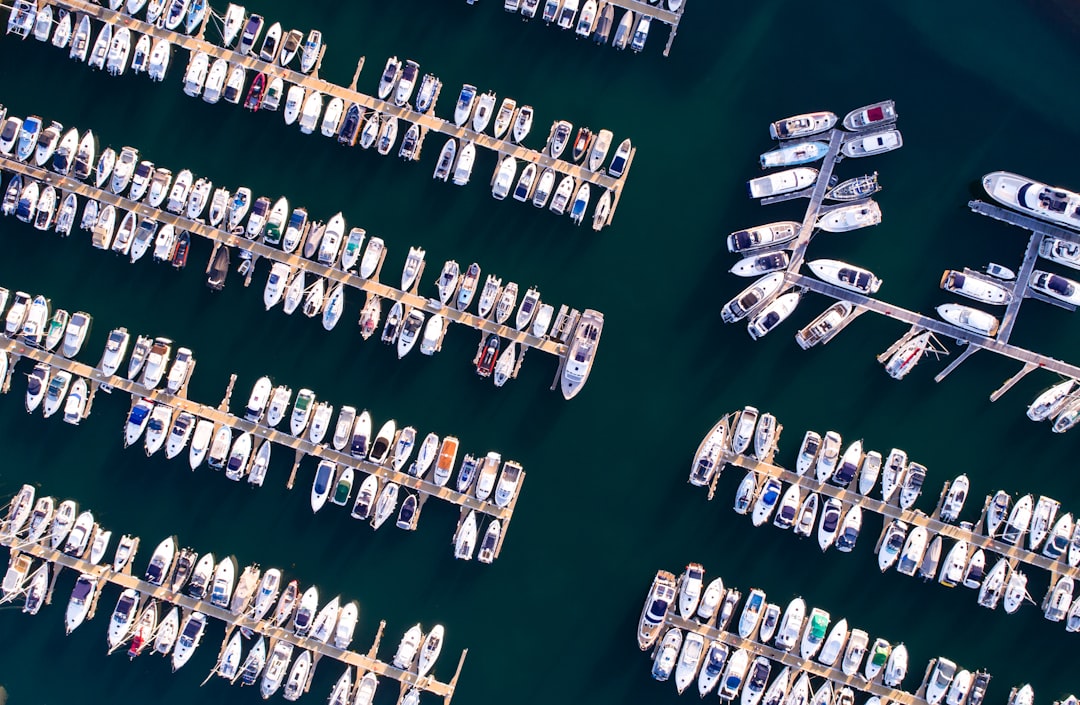
Why local boat storage matters
Finding “boat storage near me” is more than convenience — it protects your investment and makes the boating season easier. A local facility reduces towing time, gives faster access for maintenance, and often lowers risk compared with leaving a boat on the street or in unsecured locations.
Before you pick a spot, browse options and products that support long-term care and organization — starting with brands and categories you trust like US Nautics for gear, covers and accessories tailored to boating needs.
Types of local boat storage
Know the common options so you can weigh protection vs. cost:
- Indoor dry storage (warehouse or rack): best protection from weather and vandalism.
- Outdoor covered storage (canopy or shed): protects from sun and falling debris but may still expose boat to moisture and pests.
- Uncovered outdoor parking: cheapest, highest exposure — only acceptable for short periods with a high-quality cover.
- Trailer storage at a facility or at home: convenient but requires trailer maintenance and proper tie-downs.
If you plan to leave a pontoon or open boat outdoors, use a purpose-built cover to limit sun and moisture damage — consider solutions like Pontoon Boat Covers designed to fit and shield common pontoon shapes.
Choosing a safe storage facility
Evaluate facilities on security, access, and care policies. Practical check-points:
- Gated entry, CCTV, motion lighting, and on-site staff reduce theft and vandalism risk.
- Access hours that match your routine — 24/7 is useful for early departures or late returns.
- Clear contract terms about insurance requirements, liability, and winterization responsibilities.
- Climate control for expensive boats or electronics; simple dry indoor storage for hulls and upholstery preservation.
Good facilities will also invest in lighting around racks and docks — consider asking about lighting upgrades or recommending battery/solar options for remote spots.
Trailer storage and transport safety
If your plan is to keep the boat on a trailer, prioritize secure tie-downs and trailer condition. Proper transom straps and transom tie-down straps keep the boat stable in transit and while parked.
Invest in reliable hardware such as heavy-duty Rhino USA Boat Trailer Straps or equivalent rated straps and inspect straps, winch, bearings and lights before every trip. A well-maintained trailer minimizes both storage damage and towing incidents.
Prepare your boat for storage: cleaning & systems
Proper preparation before storage extends service intervals and prevents costly repairs. Key steps:
- Thoroughly clean the hull and interior. Remove trash, rinse saltwater, and dry fabrics to prevent mildew.
- Flush and winterize livewells, cooling systems and freshwater flushes according to manufacturer guidelines.
- Remove batteries or place them on a maintenance charger; fog the engine if storing long-term.
- Empty fuel stabilizer-treated tanks down to recommended levels when in long-term storage.
For anglers, a dedicated cleaning and prep station makes the job cleaner and quicker. Consider outfitting a workspace or facility with proper surfaces such as Boat Fish Cleaning Tables to keep decks and storage clean and reduce odors.
Check livewell hardware and pumps before storage; high-quality units such as the SEAFLO 05 Series livewell pump are built to resist corrosion and simplify winter prep when removed or winterized properly.
Store your gear smartly
Storing equipment properly reduces damage and speeds boat prep when you return. Organize by frequency of use and durability:
- Keep rods vertical or secured to avoid warping; wall or rack mounts at the storage unit or home garage are useful.
- Store small tackle in waterproof boxes and label them for quick access.
- Use durable rod holders or racks to keep rods safe in storage and during transport. For compact, secure rod storage consider a sturdy option like the Premium Aluminum Boat Rod Holder to store multiple rods safely and avoid tangled guides.
Safety considerations and emergency gear
Even in storage, safety matters. Confirm what the facility requires and what you should keep on hand:
- Ensure your policy or the storage contract specifies liability and recommended insurance coverage for theft, fire, and weather events.
- Store a basic emergency kit near your boat or in the vehicle that accesses the facility: flares, whistle, basic tools, and a fire extinguisher.
- Keep a restocked first aid kit accessible — check facility rules; a marine-focused selection is ideal. Browse certified options in categories like Marine First Aid Kits so you’re ready for routine cuts, scrapes or more serious injuries.
Storage checklist
- Confirm facility security (gates, cameras, lighting)
- Buy/verify a fitted cover or shelter (e.g., pontoon cover if applicable)
- Inspect trailer, straps and tie-downs (consider Rhino straps)
- Clean and dry interior; use fish cleaning table or prep area as needed
- Winterize livewells and pumps (SEAFLO pump maintenance)
- Store rods safely with racks or holders like the Premium Aluminum Boat Rod Holder
- Confirm insurance and keep a stocked marine first aid kit (Marine First Aid Kits)
- Install or request security lighting (solar options are low-maintenance)
FAQ
- Q: How do I find the closest secure facility?
A: Search local listings, ask marina neighbors, and visit facilities to inspect gates, cameras, lighting and staff presence in person before committing. - Q: Is indoor storage always worth the extra cost?
A: For high-value boats, electronics, or vessels with sensitive upholstery, indoor storage pays off by reducing UV, moisture and temperature-related damage. - Q: What should I do with the batteries and fuel before long storage?
A: Remove batteries or keep them on a trickle charger; add fuel stabilizer and run the engine to circulate it, or follow manufacturer winterization steps. - Q: Can I leave gear like rods and electronics in storage?
A: Remove valuables when possible. If you must leave items, lock them in a waterproof, secure box and document them for insurance. - Q: How often should I check on my stored boat?
A: Visit monthly if possible to check covers, straps, rodents, battery condition and any leaks; more frequent checks are better after storms or high winds.
Conclusion — Practical takeaway: choose storage based on the balance of protection, access, and cost; prepare the boat with cleaning, winterization and secure tie-downs; and invest in a few targeted items (cover, quality straps, rod storage and a first-aid kit) to prevent most common storage problems. A short prep checklist and a reliable local facility will save time and money when the season returns.
Products Featured in This Article
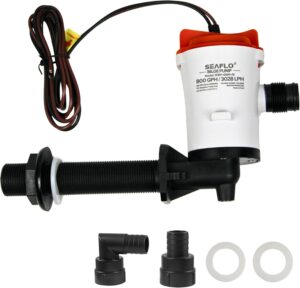
SEAFLO 05 Series 800 GPH Angled Bai…
Product description Keep bait healthy and your catch lively with the SEAFLO 05 Series 800 GPH…
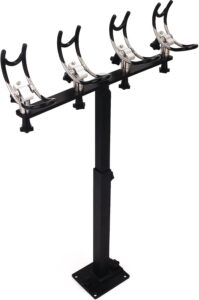
Premium Aluminum Boat Rod Holder &#…
🎣 Elevate Your Fishing Game with Mojiate’s Heavy-Duty Boat Rod Holder! Whether you’re chasing crappie on…
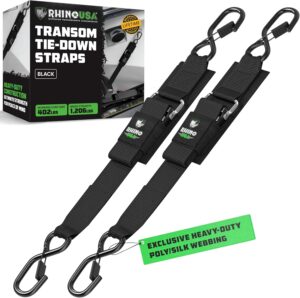
Rhino USA Boat Trailer Straps (2-Pa…
From the brand Rhino USA is a small family business founded by a father and two…
