
Boat Storage Units: What Boat Owners Should Know
Whether you keep your boat on a trailer, in a slip, or in a climate-controlled facility, choosing and using the right storage unit protects your investment. This guide covers practical steps owners can take before, during, and after placing a boat into storage, with gear and product considerations useful for seasonal and long-term storage. If you’re looking for compatible parts and accessories to streamline storage prep, check resources from US Nautics for fittings and boat-ready gear.
Good storage reduces wear, prevents mold and corrosion, and keeps systems ready to go. The remainder of this article walks through unit types, sizing, interior and exterior prep, system winterization, securing the boat, and organizing small items so your boat returns to the water in top shape.
Types of Boat Storage Units
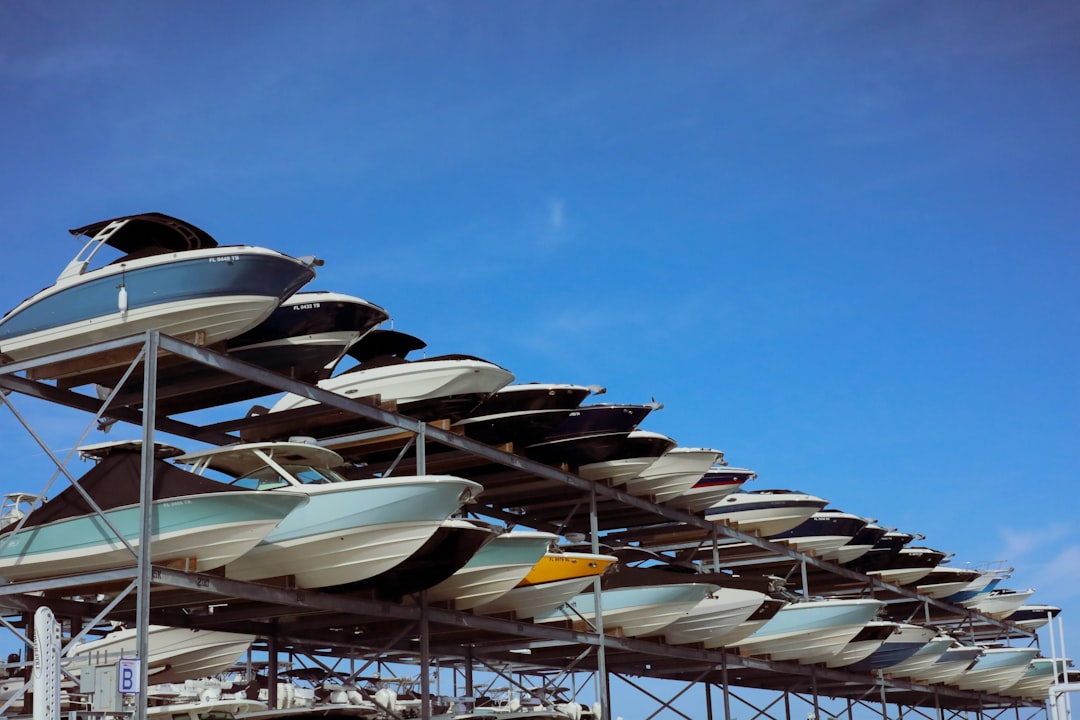
Pick the storage type that matches your budget, climate, and how often you want to access the boat:
- Indoor climate-controlled units — highest protection against temperature swings and humidity.
- Unheated indoor warehouses — good protection from UV and precipitation but watch humidity.
- Covered outdoor (canopy or carport-style) — shields from sun and falling debris but not from humidity.
- Dry-stack storage — cranes lift boats into racks; fast access and sheltered, but costs vary.
- Trailer parking or outdoor uncovered lots — lowest cost; requires robust covers and frequent checks.
Choosing the Right Unit Size and Features
Measure length, beam, and height with any tower, arch, or outboard installed. Allow extra clearance for protective covers, boarding steps, and gear you’ll store with the boat. If your boat stays on its trailer, ensure the unit gate and aisle widths accommodate the trailer length and tongue.
Consider units with easy access and safe footing — a short set of steps can make a big difference when you need to check the boat regularly. If you store on a trailer or need to climb into the hull for detailing, durable Boat Trailer Steps help you access the cockpit safely while the boat is stored.
Preparing the Interior for Long-Term Storage
Remove anything that can trap moisture or attract pests: bedding, towels, perishable food, and loose electronics. Vacuum and wipe down upholstery and compartments; leave locker doors slightly open where appropriate to allow airflow. For pontoon and leisure boats, consider storing or shrinking bulky cushions to save space and reduce mold risk. Quality seat covers or replacement seating options such as Pontoon Boat Seats can simplify reconditioning seats after storage.
Protecting Exterior: Covers, Ventilation and Moisture Control
A tailored cover that fits snugly prevents water pooling, blocks UV, and limits pest entry. In ventilated indoor units, keep breathable covers to avoid condensation buildup. For open or uncovered lots, use a high-quality breathable boat cover secured at multiple points and paired with moisture absorbers or small dehumidifiers for enclosed spaces. If your boat is a pontoon, specialized Pontoon Boat Covers are designed to fit lounger contours and support structure.
Securing and Fastening: Straps, Chocks, and Security
Secure the hull to the trailer with heavy-duty tie-downs and use wheel chocks or cradle supports inside storage bays. For trailered boats, use tensioned transom straps and bow winch straps to prevent shifting. High-quality strap kits make a measurable difference when transporting or storing outside. For robust trailer tie-down options, consider trusted products like the Rhino USA Boat Trailer Straps (2-Pack).
Winterizing Systems: Engines, Fuel, Bilge and Livewells
Drain water from livewells, raw water systems, and bilge lines to prevent freeze damage. Flush cooling systems and treat the fuel as recommended by the engine manufacturer.
If your boat has a baitwell or livewell, remove and dry lines or use a service/portable pump to clear standing water. For installations that remain active year-round or need reliable circulation during storage checks, look into robust livewell pumps such as the SEAFLO 05 Series 800 GPH Angled Baitwell/Livewell Pump.
Storing Fishing Gear and Small Accessories
Remove tackle and store it in dry, labeled boxes. Soft plastics, baits, and terminal tackle should be kept in airtight containers to prevent rust and deterioration. For anglers storing gear in a unit, modular organizers tailored for boats keep items sorted and reduce movement damage. Options like Marine Tackle Storage solutions simplify inventory and make pre-launch prep faster.
Locks, Hatches and Small Hardware
Inspect and lubricate hatch latches, compartment seals, and locks before storing. Replace worn latches and sealing hardware to keep moisture and rodents out of lockers. Upgrading to marine-grade stainless latches improves long-term reliability — for example, a simple replacement like a Boat Hatch Latch T Handle can restore a water-tight seal and reduce vibration-related rattles in storage.
Insurance, Documentation and Security
Verify your insurance coverage for the chosen storage type and document boat condition with photos and a checklist. Keep keys, titles, and emergency contacts in a secure location off-site. Consider alarm systems or motion sensors for units that allow them; permanent fixtures may require owner approval from the facility.
Checklist: Boat Storage Quick Reference
- Measure boat with fixtures and select appropriately sized unit.
- Clean and dry interior; remove perishables and electronics.
- Flush engines, treat fuel, and fog cylinders if recommended.
- Drain or pump out livewells and bilges; disconnect batteries if storing long-term.
- Cover with a breathable, well-fitted cover and secure multiple tie points.
- Secure boat to trailer/cradle with rated straps and chocks.
- Inspect seals, latches, and vents; replace or lubricate hardware.
- Document condition with photos and store paperwork off-site.
FAQ
- Q: How often should I check my boat in storage?
A: Monthly checks are ideal: inspect for moisture, pest activity, battery condition, and cover tension. - Q: Should I disconnect batteries?
A: For long-term storage, disconnect batteries and store them in a cool dry place or use a smart maintainer to keep them at optimal charge. - Q: Can I leave fuel in the tank?
A: For short winter layups, top off the tank and add stabilizer. For multi-year storage, consult the engine manufacturer — fuel degradation and ethanol issues can occur. - Q: Is indoor storage worth the extra cost?
A: Yes, especially in harsh climates. It reduces UV, moisture, and freeze damage and often reduces maintenance costs over time. - Q: How do I prevent rod/reel damage while stored?
A: Remove rods and reels if possible or use padded racks; store reels spooled loosely and lubricated for long-term care.
Conclusion
Good storage planning prevents small issues from becoming expensive repairs. Select the storage type that fits your climate and budget, prepare the boat’s interior and systems before storage, secure the hull properly, and store fishing gear and small items in dedicated organizers. Follow the checklist above and use quality parts and accessories when replacing latches, straps, or pumps to keep your boat ready for the next season.
Products Featured in This Article
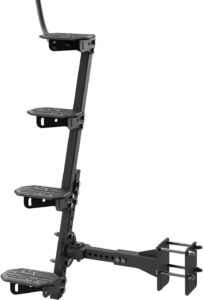
Boat Trailer Steps, Convertible 3 o…
Product description Convertible 3/4-Step: Why choose when you can have both? Our split-pole design lets you…
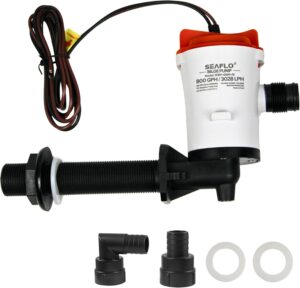
SEAFLO 05 Series 800 GPH Angled Bai…
Product description Keep bait healthy and your catch lively with the SEAFLO 05 Series 800 GPH…
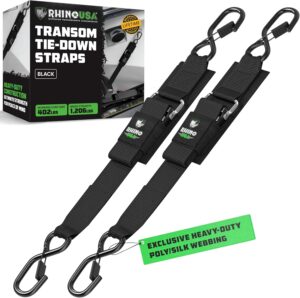
Rhino USA Boat Trailer Straps (2-Pa…
From the brand Rhino USA is a small family business founded by a father and two…
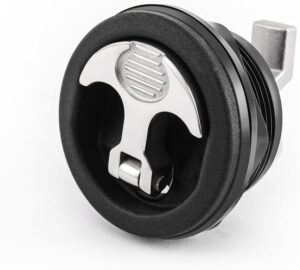
Boat Hatch Latch T Handle, Marine G…
From the brand Tired of boating gear that wears out fast? Bset Matel delivers innovative accessories…
