

Boat Values and Pricing: How to Estimate a Boat’s Worth
Whether you’re buying, selling, or insuring a boat, knowing how to estimate its value is essential. Accurate valuation protects your investment, speeds up sales, and helps you budget for maintenance and upgrades. If you’re exploring options or parts for upkeep, start with trusted sources like US Nautics for parts and accessories that can affect resale appeal.
This guide walks through the practical steps to determine a boat’s market value, what buyers actually pay attention to, and which upgrades are worth the cost. Use this as a checklist when inspecting a vessel or preparing one for sale.
Why Accurate Valuation Matters
Overpricing can leave a boat sitting unsold; underpricing leaves money on the table. Lenders, insurers, and buyers rely on realistic figures. A realistic valuation also guides decisions on repairs: you should only invest in fixes that materially improve sale price or extend useful life.
Key Factors That Determine a Boat’s Value
Several consistent variables control a boat’s worth:
- Make, model, and year — brand reputation matters.
- Engine hours and service history — well-documented maintenance boosts value.
- Hull condition and any structural repairs.
- Electronics, safety equipment, and comfort features.
- Market demand in your region — what’s hot locally can sell for a premium.
Don’t overlook obvious convenience and safety items; for example, a clean boarding setup and safe access can sway buyers. Simple upgrades like modern Boat Boarding Steps or a well-serviced ladder make a strong impression at sea trials.
Mechanical and Systems Checklist
Mechanical reliability is often the single biggest determiner of price. Inspect and document:
- Engine condition, compression, leaks, and service records.
- Propulsion systems, shafts, and propeller condition.
- Fuel, electrical, and bilge systems.
- Specialized systems for fishing boats, like livewells and pumps.
For anglers, functional species-specific gear is important. A modern, tested Boat Livewell Pumps and clean plumbing indicate the boat was used and cared for properly, increasing buyer confidence.
Hull, Deck, and Interior Condition
Inspect the hull for osmosis, soft spots, and repaired damage. On the deck and interior, look at wear on flooring, seat condition, and evidence of leaks. Upgrading or refreshing high-wear items often provides a strong return on investment.
Replacing or repairing deck coverings can refresh the look and sellability — durable materials like EVA foam decking can modernize a runabout or pontoon quickly. Consider quality options such as OCEANBROAD EVA Foam Boat Flooring for a fresh, non-slip surface.
If you’re valuing a pontoon or leisure boat, seating is a major visual and comfort factor. Clean, well-cushioned seating such as modern Pontoon Boat Seats raises perceived value, especially for family buyers.
Trailer and Transport Considerations
A boat’s trailer condition is part of its overall package. Check frame rust, bearings, lights, winch, and tie-down points. A trailer in good condition adds tangible value and reduces buyer friction.
Simple items like high-quality tie-downs and straps demonstrate safe trailering practices. If the trailer has identifiable, heavy-duty straps, such as trusted brands like Rhino USA Boat Trailer Straps, it’s a small selling point that reassures buyers about transport safety.
Upgrades vs. Maintenance: What Adds Value?
Not every upgrade will increase value. Apply this rule: spend on items that improve safety, functionality, or visual appeal and can be verified with receipts.
- Functional fishing and storage solutions — tidy, secure storage makes a fishing boat more attractive. Consider adding organized options like Marine Tackle Storage for anglers.
- Hardware and small components — replacing corroded latches or handles is inexpensive and impactful. Part swaps such as a new Boat Hatch Latch T Handle restore function and appearance.
- Comfort upgrades — clean seating, modern cushions, or added conveniences can increase marketability, but weigh cost vs. expected return.
Valuation Methods: Practical Approaches
Use multiple methods rather than a single number:
- Comparable sales: Look at recent sales of the same make/model in similar regions.
- Online valuation tools and guides: Use them as baselines but adjust for condition and local demand.
- Professional survey: For high-value boats, a marine surveyor provides a defensible value and uncovers issues you might miss.
Combine a market-derived price with condition adjustments (engine hours, hull repairs, electronics) to get a realistic listing price range. Keep documentation handy to justify your price to buyers or appraisers.
Preparing the Boat to Maximize Price
Presentation matters. Clean thoroughly, fix small issues, and provide clear documentation. Typical high-impact items:
- Deep-clean bilges, upholstery, and storage compartments.
- Service engines and present maintenance logs.
- Replace worn non-structural items that show immediate deterioration.
For fishing-focused listings, showcasing clean, purpose-built features such as organized rod storage, tackle areas, and bait/prep spaces will help—buyers want to see that the boat is ready to use. Well-maintained boats with visible, tidy fishing features tend to sell faster than those requiring immediate work.
Checklist: Quick Valuation and Prep Steps
- Collect title, service records, and receipts.
- Run engine and inspect hull; note hours and issues.
- Inspect trailer, lights, bearings, and straps.
- Address small cosmetic fixes: latches, flooring, seats.
- Compile comparable sales and set a realistic price range.
Conclusion — Practical Takeaway
Estimate value by combining market comparisons with a condition-based adjustment. Prioritize safety, mechanical reliability, and visible condition. Small, targeted investments—service, secure fastenings, clean flooring, and functional accessories—often yield the best returns. When in doubt, document condition and get a professional survey for big-ticket transactions.
FAQ
How much do upgrades typically add to a boat’s value?
Minor cosmetic upgrades can improve appeal but rarely recoup 100% of cost; safety and mechanical repairs generally have better returns.
Is a survey necessary for private sales?
Not always, but for older or high-value boats a survey prevents surprises and supports pricing.
How do I adjust price for engine hours?
Compare to similar boats and reduce price based on excess hours relative to market norms; service history can offset some depreciation.
What records should I keep to support value?
Title, maintenance logs, repair receipts, and any upgrades documentation—buyers and insurers rely on these.
Which accessories influence buyer decisions most?
Functional items like safe boarding systems, reliable trailers, organized storage, and properly working livewell systems matter more than decorative items.
Should I replace worn seats before selling?
If seats are visibly damaged and the boat competes in a market where comfort matters (pontoon, leisure), replacement yields better buyer impressions; otherwise, disclose and price accordingly.
Products Featured in This Article
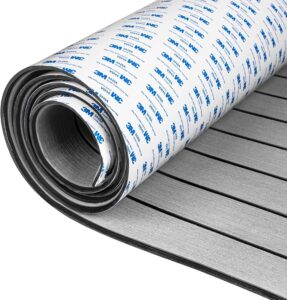
OCEANBROAD EVA Foam Boat Flooring w…
OCEANBROAD EVA Foam Boat Flooring Faux Teak Marine Sheet with 3M Self-Adhesive Backing Non-Slip Mat for…
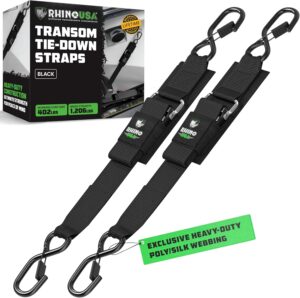
Rhino USA Boat Trailer Straps (2-Pa…
From the brand Rhino USA is a small family business founded by a father and two…
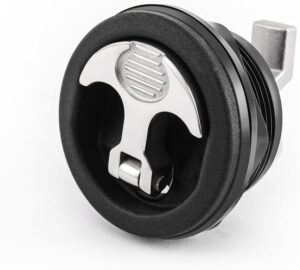
Boat Hatch Latch T Handle, Marine G…
From the brand Tired of boating gear that wears out fast? Bset Matel delivers innovative accessories…
