Buying a boat is exciting but can be overwhelming. Whether you’re a first-time buyer or trading up, a systematic approach helps you choose a boat that fits your lifestyle, budget, and safety needs.
This practical guide walks you through the key decisions—boat type, inspection, safety, systems, storage, and must-have accessories—so you can buy confidently and avoid common pitfalls.
Define your primary use
Start by being specific: cruising with family, fishing, watersports, overnighting, or day sailing. Your answer influences hull type, length, power, and onboard systems. For example, fishing-focused buyers should prioritize layout and gear storage while social cruisers may prefer open decks and comfortable seating.
Types of boats and how they match uses
Common types include pontoon boats, center consoles, bass boats, dual-console runabouts, cabin cruisers, and sailboats. Each has trade-offs in stability, storage, speed, and maintenance. If fishing is a primary use, look at rigs and mounts as well as dedicated storage and accessories; start by exploring relevant options like Fishing Boat Accessories to see typical layouts and add-ons.
Budget: purchase price plus real ownership costs
Beyond the purchase price, plan for registration, insurance, slip or storage fees, fuel, maintenance, and trailer or delivery. Electronics and navigation gear are a significant line item—chartplotters and fishfinders can add thousands, so budget accordingly. For a modern install, research units like the Simrad GO9 XSE and factor in installation and networking costs.
Inspecting new and used boats: what to check
A thorough inspection distinguishes a sound buy from a future headache. For in-person checks and sea trials look at hull integrity, transom and motor mounts, steering, bilge pumps, electrical systems, and cosmetics. Don’t forget seating and soft trim: worn or slumped cushions indicate sun and water damage—pontoon buyers should inspect the upholstery and bench structures and compare with replacement options like Pontoon Boat Seats.
Safety equipment and legal requirements
Regulations vary by region, but basic safety gear is universal: life jackets for every passenger, sound signals, navigation lights, fire extinguisher, and visual distress devices. When buying, verify that required items meet USCG standards and that they are aboard and in good condition. Inflatable and compact options can save space without sacrificing safety—review inflatable choices such as Inflatable Boat Life Jackets.
Also carry a well-stocked first aid kit tailored for marine use; a dedicated marine kit keeps supplies organized and waterproof. Consider adding a quality kit like those categorized under Marine First Aid Kits so you’re prepared for minor injuries and common boating incidents.
Power, propulsion, and onboard systems
Understand engine hours and maintenance records on used boats; low hours are good, but consistent maintenance and a service history matter more. Check fuel system condition, hoses, and smell for leaks. Inspect electrical systems, battery age, and charging setup. Navigation and fish-finding electronics should be tested; ensure displays power up and sensors/transducers operate correctly—these systems can be expensive to replace or integrate with existing panels.
Storage, trailer and dock considerations
Where you keep the boat affects your buying decision. If you trailer, confirm trailer condition, brakes, lights, and suitable tie-downs. If you plan to keep a boat at a marina, budget for slip fees and review dock access. Protecting your boat off-season or in storage reduces maintenance; appropriate covers and practices prolong life—check options for fit and protection such as Pontoon Boat Covers if you’re considering a pontoon.
Invest in quality dock and mooring hardware to reduce wear and simplify routine handling: proper lines absorb loads and protect cleats and docks. Consider upgrade options like industrial-grade Boat Dock Lines when planning mooring setups.
Accessories, comfort, and resale value
Accessories improve functionality and resale value when chosen sensibly. For anglers, rod storage and mounting are high-impact improvements—factory or aftermarket rod holders keep decks tidy and usable; review options like Boat Rod Holders.
Comfort items—seating upgrades, tables, shade, and non-skid decking—make time aboard more enjoyable and broaden your buyer pool when reselling. Prioritize upgrades that match the boat’s primary use to retain value.
Small pre-buy checklist
- Confirm intended use and passenger capacity.
- Review maintenance logs, engine hours, and title status.
- Perform hull and structural inspection; test drive for handling.
- Verify all safety gear (life jackets, extinguisher, lights, signals).
- Test electronics, bilge pumps, and plumbing systems.
- Check trailers, tie-downs, and dock gear; add quality dock lines.
- Estimate ongoing costs: moorage, insurance, winterization.
FAQ
Q: New or used—what’s better for a first-time buyer?
A: Used boats often give more value for the price but require a careful inspection and possible repairs. New boats offer warranty and less immediate maintenance but cost more upfront. Match choice to your comfort with maintenance and budget.
Q: How important is a sea trial?
A: Essential. A sea trial reveals engine behavior, steering, vibration, and how the hull performs under load—issues that a dockside inspection can miss.
Q: Which safety items are non-negotiable?
A: USCG-approved life jackets for every passenger, at least one fire extinguisher rated for marine use, navigation lights, a sound-producing device, and visual distress signals where required.
Q: Can I install electronics later?
A: Yes, but factor in wiring, dash modifications, transducers, and integration with existing systems. Budget for a professional install if you’re not experienced to avoid electrical or interference issues.
Q: What increases a boat’s resale value most?
A: A clean hull, a well-documented maintenance history, practical upgrades (electronics, seating, covers), and properly stored vessels command higher resale prices.
Conclusion
Choosing the right boat means matching use, budget, safety, and storage to the vessel’s features. Inspect thoroughly, prioritize essential safety gear and reliable systems, and invest in a few targeted accessories that enhance function and resale value. With a clear checklist and realistic expectations, you’ll make a purchase that brings years of enjoyment.
Products Featured in This Article
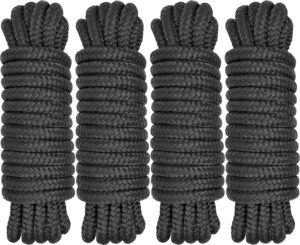
Boat Dock Lines 1/2″ x 15R…
From the brand Shop 1/2 Inch Boat Dock Lines Shop 5/8 Inch Boat Dock Lines Shop…
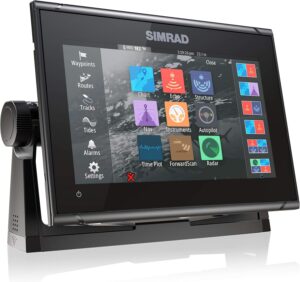
Simrad GO9 XSE – Chartplotter…
MULTIFUNCTION DISPLAY: With GO9, add GPS navigation, sonar support, radar capability, and much more to your…
