
Essential Boating Safety Checklist Before Every Trip
Heading out on the water should be relaxing and rewarding, but safety has to come first. A consistent pre-departure routine reduces risk, speeds response to problems, and keeps everyone on board confident and comfortable.
This checklist covers practical, high-impact checks and gear to prioritize before every outing—from quick engine inspections to the small safety tools that save lives. Use it as a simple daily ritual before you untie the dock lines.
1. Confirm the Float Plan and Weather
Before casting off, check local weather, tides, and any marine advisories. Even a short trip can be complicated by squalls, fog, or shifting currents. File a float plan with a friend or marina—state where you’re going, expected return, and who’s aboard.
Keep a charged phone in a waterproof case and ensure your VHF radio functions. Confirm battery levels for portable radios and any emergency locator beacons so you can call for help if cell service fails.
2. Verify Life Jackets and PFDs
Life jackets are the single most important safety item. Confirm there is a properly sized, Coast Guard–approved PFD for every person on board and that they’re easily accessible—not stored under seats. For children, make sure the jacket fits snugly and is labeled for juvenile use.
Keep age- and weight-appropriate PFDs at hand for quick donning. If you often carry kids or non-swimmers, consider a dedicated storage location and practice fitting them quickly before departure. For broader safety options and adult styles, see Yacht Safety Gear.
For young passengers, inspect specific child life jackets and reserves before each trip: Kids Boat Life Jackets.
If you prefer a low-profile PFD for adults, confirm inflation mechanisms and manual activation if present: Inflatable Boat Life Jackets are useful options for certain conditions—check compatibility and maintenance schedules.
3. Emergency Signaling and Communication
Ensure you have multiple ways to signal for help: VHF radio, cell phone, distress flares or electronic alternatives, and audible signals. Carry back-up batteries or power banks for radios and phones.
Electronic flares and signal kits offer reliable, reusable distress options that are less sensitive to storage conditions—consider a modern kit for ease of use and compliance: TEKTITE SOSeFLARE.
For close-range signaling and to draw attention quickly, pack a pair of loud whistles or small audible devices. They’re lightweight, inexpensive, and effective in calm or noisy conditions: LuxoGear Emergency Whistles.
4. Fire Safety and Fuel Checks
Fire is among the most dangerous onboard emergencies. Before leaving the dock, smell for fuel odors and confirm fuel lines and connections are secure. Check battery terminals for corrosion and make sure bilge spaces are dry and free of pooled fuel.
Carry a Coast Guard–approved extinguisher sized for your vessel and know how to operate it. For small craft and personal watercraft, a compact model rated for marine use is essential: Kidde Mariner PWC Fire Extinguisher.
5. First Aid and Emergency Supplies
Keep a well-stocked first aid kit in an obvious location and check its contents regularly. Include wound-care supplies, dressings, seasickness remedies, and any personal medications. Water-resistant or hard-shell kits protect supplies in rough conditions.
A compact, comprehensive kit ensures you can manage common injuries until help arrives: Mini First Aid Kit.
6. Engine, Battery, and Systems Check
Run a quick engine check: oil level, coolant, visible hoses, and belt condition. Start the engine and listen for unusual noises; verify charging system function and check that the trim and steering respond smoothly.
Confirm bilge pumps are working and the float switch is unobstructed. Test navigation lights if you may be out after dark. Secure loose gear that could move under way and create hazards.
7. Boarding, Man-Overboard and Deck Safety
Make sure boarding points are secure and that ladders or steps are stowed yet accessible. Practice a simple man-overboard recovery plan with your crew so roles are clear. Regularly inspect boarding gear and handholds for wear.
For safer boarding and recovery, choose durable ladders and mounts that fit your transom and usage needs: Boat Ladders.
8. Organize Safety Gear and Stowage
Designate a central, labeled storage spot for safety equipment so everyone knows where to grab items in an emergency. Group items by function—medical, signaling, fire, and floatation—to speed access. Replenish expendables after each trip.
Review battery replacement dates, inspect attachment points for straps and clips, and ensure sealed items like electronic flares remain dry.
Quick Pre-Departure Checklist
- Float plan filed and weather/tides checked.
- Life jackets fitted and accessible for every passenger.
- VHF/radio and phone charged; backup power available.
- Signal devices on board and working (flares/whistles/electronics).
- Fire extinguisher inspected and within easy reach.
- First aid kit stocked and accessible.
- Engine, fuel, and battery checks completed.
- Bilge pump and navigation light test passed.
- Boarding ladder and man-overboard plan reviewed.
- Loose gear secured and deck clear of trip hazards.
Conclusion — Practical Takeaway
Spend ten minutes on this routine before every trip. Consistency turns safety checks into habit, and habit prevents accidents. Prioritize visibility, flotation, communication, and fire readiness—then enjoy the water with confidence.
FAQ
-
How often should life jackets be inspected?
Inspect life jackets visually before every outing and do a full check for wear, stitching, and buoyancy at least once per season. Replace or service inflatable PFDs according to manufacturer guidelines.
-
What signaling devices are required?
Requirements vary by vessel and region, but carry at least one sound-producing device, a visual distress signal, and a reliable radio. Modern electronic distress beacons are effective supplements.
-
Where should I store the first aid kit?
Store it in a dry, easily accessible location near the helm or main cabin. Label the compartment so anyone can find it quickly in an emergency.
-
How do I prepare for a man-overboard situation?
Brief your crew on roles, keep a throwable device within reach, slow or stop the vessel, mark the position on GPS if possible, and use a ladder or recovery system for re-boarding. Practice the procedure occasionally.
-
Are electronic flares a reliable substitute for pyrotechnics?
Electronic flares provide reusable, waterproof signaling and are increasingly accepted where regulations allow. Check local rules and carry backup methods where required; an electronic kit like the TEKTITE can complement or replace disposable flares.
Products Featured in This Article
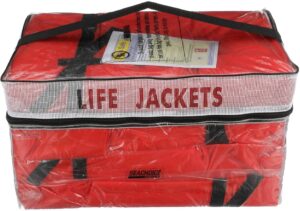
Seachoice Life Vest, Type II
From the manufacturer Strap In! Life jacket, life preserver, vest, buoyancy aid – they’re all different…
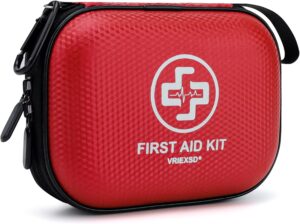
Mini First Aid Kit – 150 Piec…
Product description VRIEXSD 150PCS PORTABLE FIRST AID KIT Love enjoying outdoor activities? Want to do so…
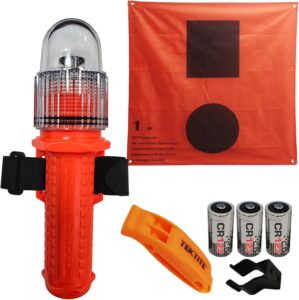
TEKTITE® SOSeFLARE 5 NO MORE FLARE…
From the brand SOSeFLARE 5 & More Safety Kits USCG APPROVED ELECTRONIC DISTRESS SIGNAL KIT –…
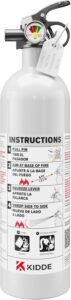
Kidde Mariner PWC Fire Extinguisher…
Discover reliable fire safety with the Kidde Fire Extinguisher for Boats, Single-Use 5-B:C, designed to contain…
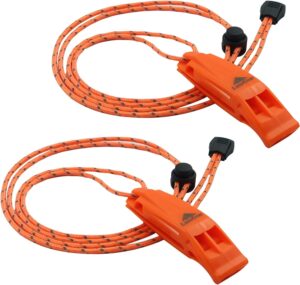
LuxoGear Emergency Whistles with La…
You want to call for help, startle intruders or maybe scare wild animals away? This whistle…
