Essential Boating Safety Checklist Before Every Trip
Before you shove off, a disciplined pre-trip routine is the single best way to prevent small problems from turning into emergencies. Whether you run a bass boat, a family cruiser, or a small center console, reliable checks protect people, gear, and your day on the water.
US Nautics carries many of the supplies and accessories that make those checks easier and faster—if you want to restock or upgrade gear, start here: US Nautics.
1. Plan the trip and file a float plan
Confirm your route, expected return time, and weather window. Share a float plan with a responsible person ashore and include boat make/model, registration, passenger names, and planned route. Check the forecast and recent marine advisories; if conditions look marginal, postpone. A clear plan limits decision pressure if conditions change.
2. Personal flotation devices and PPE
Inspect every PFD for proper fit, serviceability, and correct sizing for children and adults. Inflatable and wearable life jackets need visual checks for tears, proper inflation status or service dates, and accessible straps. Ensure every passenger knows where PFDs are stored and how to put them on quickly—practice with inexperienced riders.
If you need replacement or spare life jackets, consider reliable models like the Eyson Inflatable Life Jacket for adults; keep appropriate sizes for kids on board as well.
3. Emergency communications and signaling
Verify VHF radio operation and battery charge, and bring a fully charged cell phone in a waterproof bag. Test handheld radios and ensure antennas are secure. For low-visibility or serious distress, approved visual and audible signaling gear are essential.
Replace expired pyrotechnic flares with modern, reliable alternatives such as the TEKTITE SOSeFLARE, which provide a waterproof LED and audible signal without the storage concerns of pyrotechnics.
4. First aid and onboard supplies
Check and restock a compact marine first aid kit with adhesive dressings, antiseptic, trauma supplies, and any personal medications. Review basic wound care, CPR, and how to treat hypothermia—assign one person to be familiar with the kit location.
For a dependable, compact option, keep a kit like the Mini First Aid Kit – 150 Piece on board and check it after every trip.
5. Fire safety and bilge checks
Inspect fire extinguishers for charge and accessibility. Ensure the bilge pump(s) operate—test electrically and manually—and that the bilge is free of fuel, rags, or flammable debris. Secure fuel caps and fuel lines, and smell-check the bilge for fuel vapor before starting the engine.
A marine-rated extinguisher like the Kidde Mariner PWC Fire Extinguisher is compact and appropriate for many small boats—mount it near the helm for quick access.
6. Engine, fuel, battery and electrical systems
Check fuel levels, lines, and vents for chafing or leaks. Verify oil and coolant levels and secure the battery, ensuring terminals are clean and connections tight. Test starting systems, gauges, and navigation lights before leaving the dock. Carry spare fuel and basic tools for quick fixes: screwdrivers, pliers, spare fuses, and multi-tool.
Always treat batteries with respect—disconnect when working on electrical systems and store spares safely to prevent short circuits.
7. Deck condition, non-slip surfaces and boarding hardware
Walk the deck and inspect non-skid surfaces, handrails, cleats, and boarding steps. Replace or repair hardware that moves excessively or shows corrosion. Non-slip mats or new decking improve traction and reduce slips when the deck is wet.
If your boarding gear or dock steps need an upgrade, consider sturdy solutions like the FOCEAN Boat Flooring EVA Foam for improved footing, and check your boarding steps for secure mounts such as the Taylor Made Stepsafe triple dock step rail attachment if you regularly embark from docks.
8. Fishing gear, tackle storage and livewell readiness
If you fish, stow rods, nets, and tackle securely to prevent tripping hazards and entanglement. Test livewell pumps, check aeration, and make sure lids seal. Organized tackle reduces time spent below decks and prevents accidents while the boat is underway.
Keep tackle organized with marine-grade solutions like Marine Tackle Storage, and verify livewell pump function before heading out.
Quick Pre-Departure Checklist
- Float plan filed with a responsible person ashore.
- All PFDs inspected and accessible; children sized up.
- VHF and handheld radios tested; signaling devices charged or replaced.
- First aid kit checked and restocked.
- Fire extinguisher inspected and within reach.
- Fuel, oil, battery and engine run-through completed.
- Bilge pump(s) tested and bilge clear of flammable materials.
- Deck walked for trip hazards; non-slip surfaces in place.
- Fishing gear secured; livewell and pumps operational.
- Emergency contact list and spare keys secured in waterproof storage.
Conclusion — A single routine saves time and enhances safety
Make these checks a consistent habit. A short pre-departure routine prevents most common incidents and keeps trips enjoyable. Use durable, marine-rated equipment and replace worn items—preparation is the most reliable safety measure you can take.
FAQ
Q: How often should I inspect my PFDs?
A: Inspect PFDs visually before every trip; do a more thorough check monthly and replace any with damaged straps, torn fabric, or expired CO2 cartridges.
Q: What signaling devices are required?
A: Requirements vary by region and vessel type; at minimum carry an audible device, visual distress signals or approved electronic alternatives, and a VHF radio for coastal waters.
Q: How can I test my bilge pump?
A: Activate the pump manually and with the automatic float switch while the boat is on a trailer or secured at dock; listen for the motor and confirm water is discharged correctly.
Q: Is an electronic flare kit acceptable?
A: Many modern electronic distress signals meet regulatory standards—verify SOLAS/USCG compliance for your area. Electronic kits like LED/audible combinations reduce storage hazards while providing reliable signaling.
Q: Any tips for storing gear to reduce accidents?
A: Stow heavy items low and centered, secure loose rods and nets, label storage areas, and use non-slip mats in walkways to keep gear from shifting when underway.
Q: What should I include in an on-water emergency contact list?
A: Include VHF channel numbers, local coast guard or marine patrol contacts, towing services, your boat registration, and emergency contacts ashore—keep a waterproof copy on board.
Products Featured in This Article
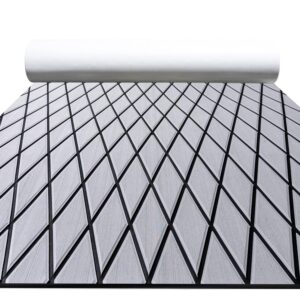
FOCEAN Boat Flooring EVA Foam Boat …
Product description 1 EXCELLENT ANTI-UV 2 STRONG SELF-ADHESIVE 3 HIGH QUALITY MATERIALS 4 EASY INSTALLATION 5…
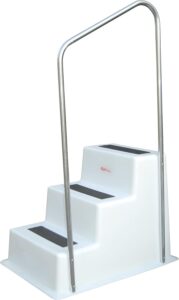
Taylor Made Stepsafe Triple Dock St…
Safety is of utmost importance when it comes to accessing your vessel. Taylor Made’s dock step…
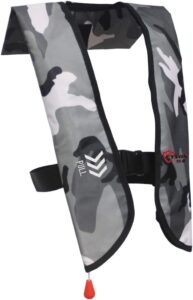
Eyson Inflatable Life Jacket Inflat…
Product description Professional Manufacturer on Inflatable Life Jacket Vest Preserver – Eyson Manually inflates when the…
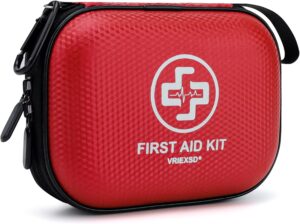
Mini First Aid Kit – 150 Piec…
Product description VRIEXSD 150PCS PORTABLE FIRST AID KIT Love enjoying outdoor activities? Want to do so…
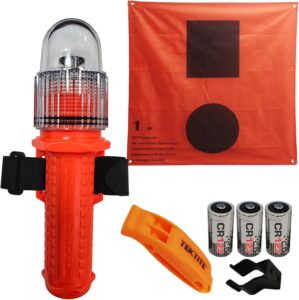
TEKTITE® SOSeFLARE 5 NO MORE FLARE…
From the brand SOSeFLARE 5 & More Safety Kits USCG APPROVED ELECTRONIC DISTRESS SIGNAL KIT –…
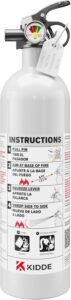
Kidde Mariner PWC Fire Extinguisher…
Discover reliable fire safety with the Kidde Fire Extinguisher for Boats, Single-Use 5-B:C, designed to contain…
