Fishing Boat Setup Tips for a Better Day on the Water
Good preparation turns an average outing into a productive, comfortable day on the water. The right layout, storage, electronics and safety gear let you focus on fishing rather than troubleshooting your boat.
This guide walks through practical adjustments and gear choices that improve efficiency, comfort and safety. Each section focuses on one area you can tweak before your next trip.
1. Plan your deck layout for fishing flow
Think about how you move when fishing: where you stand, where you land fish, and how you reach tackle. Prioritize an unobstructed casting lane and a stable, non-slip standing area. If you’re upgrading seats for longer trips, choose models that swivel and lock for casting and fighting fish without losing comfort. Consider replacing or adding seats that offer arm support and a firm pedestal mount to reduce fatigue—look at Fishing Boat Seats designed for angling ergonomics.
2. Mount rod holders where you fish, not where they’re convenient
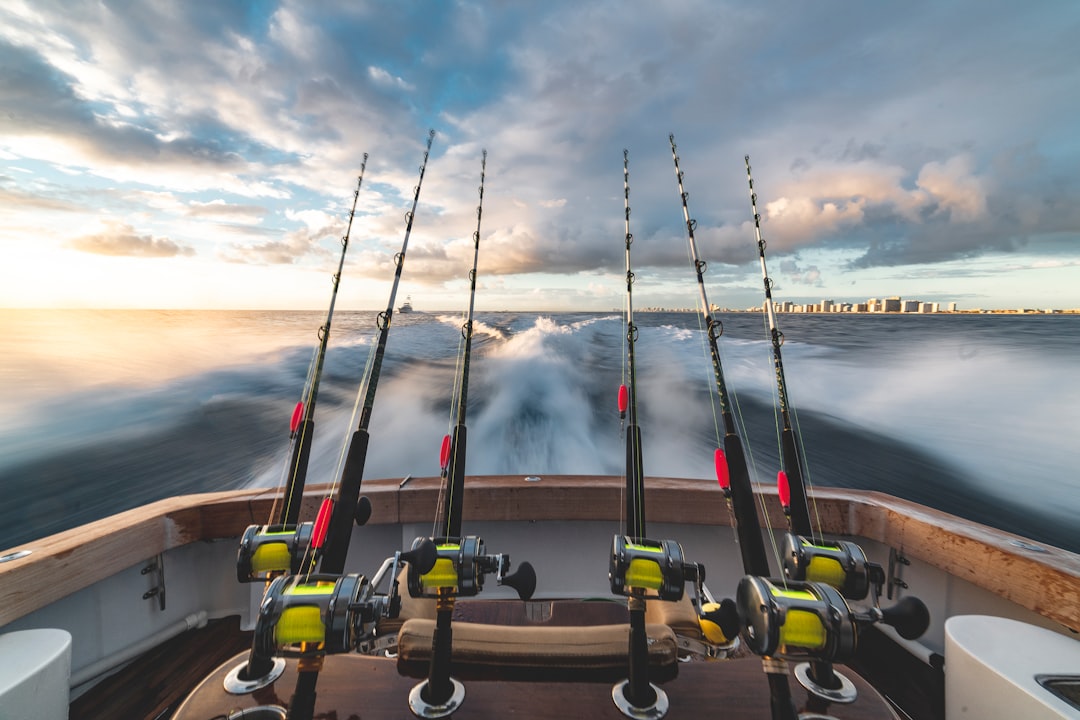
Rod holders should support common actions: trolling, hands-free storage, and quick draws for sudden strikes. Place a couple at the stern for trolling and several along the gunwale at elbow height to avoid awkward reaches. Removable or rail-mounted holders let you reposition for different species and cover conditions. Choose robust, marine-grade holders and test spacing so neighboring rods don’t tangle—see options for properly rated Boat Rod Holders.
3. Organize tackle for fast changes and clean decks
Declutter by storing frequently used lures, leaders and pliers in one easily accessible box. Use waterproof, compartmentalized boxes for quick retrieval and return them to a dedicated cubby or under-seat compartment. Label boxes by depth or species to speed up mid-trip decisions. If you need compact, durable solutions that fit multiple spaces aboard, check the range of Marine Tackle Storage built for boats.
4. Choose electronics that match how you fish
A fishfinder with an easy-to-read display and a transducer tuned to your waters is more valuable than a box of advanced features you’ll never use. Portable, plug-and-play units can be swapped between boats, while fixed units offer cleaner integration. For smaller boats, reliable, budget-friendly units that include dual-beam sonar are a smart start—see compact solutions like the Humminbird PiranhaMAX 4 Fish Finder for straightforward depth and fish arch detection.
5. Install targeted lighting and manage power smartly
Good lighting extends your productive hours. Install low-glare deck and rod-area lighting to preserve night vision while illuminating work areas. Waterproof LED strips and courtesy lights around the console, livewell and casting platforms help you see tackle and lines without blinding glare. For compact, bright options suitable for small boats and consoles consider marine LED kits such as PSEQT LED Boat Interior Lights.
6. Build a concise safety kit and keep it visible
Fishing trips often involve small cuts, hooks and sunburns; a well-stocked, marine-rated first aid kit is essential. Include adhesive dressings, antiseptic, bandages for punctures, tweezers, nitrile gloves and seasickness remedies. Store the kit in a dry, labeled spot that everyone knows—under the console or next to the helm is ideal. Choose a kit sized for your passenger load and water type: Marine First Aid Kits designed for boating make packing simple and compliant.
7. Carry emergency signaling and communication gear
In low-visibility or if you’re making long runs, a compact emergency signal kit and an easy-to-access whistle can be lifesavers. Pack visual and audible tools that are approved for marine use and keep them dry in a grab-and-go bag near the helm. Choose a kit that includes flares or LED distress lights and a loud whistle depending on your local regulations—see reliable options like the Boat Emergency Signal Kits.
8. Reassess anchoring and lines for quick stops
Being able to stop and hold position quickly is crucial for shallow-water fishing or holding over structure. Use an anchor and rode sized for your boat, and keep an extra length of anchor line in a tidy coil for quick deployment. Splice or use a properly rated rope that resists abrasion and UV, plus a stainless thimble or shackle for secure connections. Reliable rope options make a practical difference—consider a quality Boat Anchor Rope that’s pre-sized for common anchoring needs.
Quick setup checklist
- Clear casting lanes and secure loose gear.
- Mount rod holders in primary and backup positions.
- Keep daily-use lures and leaders in an accessible tackle box.
- Test electronics and ensure transducer/antenna are clear.
- Install low-glare LED lighting at work stations.
- Store a stocked marine first aid kit within reach.
- Keep an emergency signal kit and whistle near the helm.
- Inspect anchor rode and coil extra line for quick drops.
FAQ
- How many rod holders should I carry?
Carry enough for your common setups: two stern holders for trolling plus 3–4 along the rails for storage and convenience. Adjust for species and number of anglers.
- Where’s the best place to store tackle?
Store frequently used items in a deck-level compartment or under the console for quick access. Less-used boxes can go under seats or in a dry locker.
- Do I need a dedicated fishfinder?
A basic fishfinder greatly improves locating structure and fish. For most anglers, a compact unit with a transducer suited to your water depth is sufficient.
- What safety items are must-haves?
At minimum: a coast-appropriate first aid kit, personal flotation devices for everyone, an audible signaling device and a visual distress signal kit sized to your waters.
- How should I protect electronics from spray?
Use waterproof housings or covers, secure wiring with marine-grade connectors, and position units where spray and splashes are minimal while maintaining visibility.
Conclusion
Small, deliberate changes to layout, storage and safety gear produce big improvements in fishing efficiency and comfort. Use the checklist, make one upgrade at a time, and focus on changes that reduce movement and speed tasks. When in doubt, prioritize a clear deck, accessible tackle, dependable electronics and a visible safety kit—those pay dividends every trip.
Products Featured in This Article
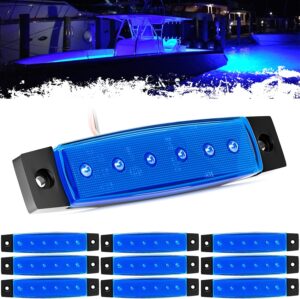
PSEQT LED Boat Interior Lights Mari…
From the brand PSEQT design and production the best Auto & Boat Accessories.We provide —LED boat…
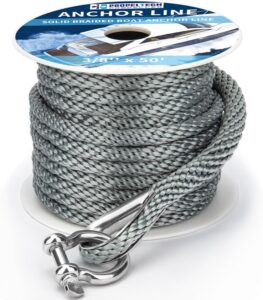
Boat Anchor Rope 3/8 inch 50ft Prem…
From the brand Anchor line and propeller Dock line and propeller Dock line and propeller 1.[…
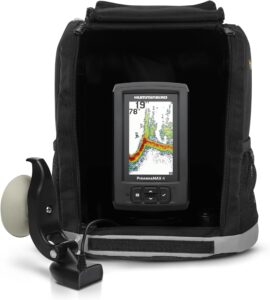
Humminbird PiranhaMAX 4 Fish Finder…
With modern styling and a larger 4.3″ color LCD, the PiranhaMAX™ 4 will give you a…
