

Houseboats and Yachts: Key Differences Before You Buy
Choosing between a houseboat and a yacht is about matching lifestyle, budget, and intended use. Both put you on the water, but they deliver very different experiences in terms of living space, performance, maintenance, and safety.
This guide breaks down the practical differences you need to know before making a purchase, highlights items and systems that matter most, and gives you a concise checklist to take to inspections or broker meetings.
Design, hull type, and stability
Houseboats typically use flat or shallow-hull designs that prioritize a stable, spacious platform. That flat profile delivers predictable stability at anchor or in calm inland waters but limits offshore capability. Yachts (displacement, semi-displacement, or planing hulls) are engineered for open-water performance—higher speeds, better handling in waves, and a different center of gravity. Your intended cruising grounds should drive this choice.
Living space and onboard amenities
Houseboats are optimized for on-board living: larger floorplans, full-height ceilings, and layouts resembling small homes. Yachts pack amenities into a performance-minded envelope—luxury cabins, galley and head arrangements that fit within a narrower beam. Seating and comfort matter more when you plan to host or live aboard; consider durable, marine-grade seating options designed for extended use like Pontoon Boat Seats to compare ergonomics and materials.
Performance, speed, and range
Yachts commonly offer greater speed and longer range because of engine power, fuel capacity, and hull form. If you want to cover more miles, access coastal destinations, or escape shallow waterways, a yacht is better suited. Houseboats are slower, with engines sized for maneuvering rather than long passages. Factor fuel consumption, generator capacity, and cruising speed into annual operating cost estimates.
Fishing, water sports, and equipment needs
If fishing or sport use is a priority, think about how each platform supports required systems. Yachts and larger houseboats can be fitted with dedicated livewell and bait systems; a reliable option to evaluate is a purpose-built Boat Livewell Pumps for aeration and circulation.
Fishing accessories and onboard organization
Storage and gear placement matter for both pleasure and serious anglers. Plan rod storage and quick-access mounts, such as a robust Boat Rod Holders, and think through tackle storage routing to keep the deck clear and safe. For preparing baits and handling catches on deck, integrated bait boards can speed workflow and reduce mess—consider options like a marine-grade Marine Bait Boards.
Cleaning, waste management, and smells
Houseboats with larger galley spaces may have more comprehensive waste systems, but confined freshwater systems and poor ventilation increase odor risk. Yachts often route waste and cleaning overboard with holding tanks and macerators designed for cruising. If you plan to fish regularly, a dedicated work surface such as a proper Marine Bait Boards or a full Boat Fish Cleaning Tables (if available) will keep processing off carpets and into drain channels.
Maintenance, systems, and docks
Expect different maintenance profiles. Houseboats require attention to deck seals, flat-hull anti-fouling, and freshwater/waste plumbing. Yachts need regular engine service, shaft/prop maintenance, and more complex electrical systems. Your marina or slip must accommodate beam, draft, and access—verify whether your local facility supports fuel delivery, pump-out, and service access for the platform you choose.
Safety, rules, and required gear
Both vessel types must meet safety regulations but the checklist looks different. Yachts traveling offshore should carry navigation-grade lighting, signaling, and redundancy in communications. Houseboats used on inland waters need reliable personal flotation and clearly marked exits. Regardless of choice, include certified life jackets on board—options such as Inflatable Boat Life Jackets are compact and comfortable for many users, but always confirm USCG approval and intended use.
Also carry a compact medical kit and signaling devices: a well-stocked Marine First Aid Kits tailored for boating incidents can make the difference in a remote situation.
Comfort, visibility, and apparel
Visibility and glare control matter on deck—especially when piloting or fishing. Solid polarized eyewear reduces eye strain and improves safety; pack quality Boating Sunglasses and keep spares in hard cases. Also plan for sun protection, non-slip footwear, and layered clothing for weather changes.
Cost comparison and resale
Initial price is only the starting point. Houseboats often have lower top speeds but higher living-area value per dollar; their resale is tied to local market demand for liveaboard or holiday properties. Yachts can command higher resale values if maintained and upgraded, but depreciation, fuel, and docking fees can be steep. Create a 3–5 year operating budget before committing.
Checklist: What to inspect before buying
- Hull condition: inspect for soft spots, blistering, or corrosion.
- Engines and drives: service records, hours, and recent repairs.
- Plumbing and waste systems: pump-out function, leak checks.
- Electrical: battery condition, shore power, inverter/generator tests.
- Safety gear: buoyancy aids, fire extinguishers, signaling lights.
- Comfort systems: HVAC, refrigeration, and cooking appliances.
- Deck fittings: rail integrity, cleats, and anchor equipment.
- Fishing and utility gear (if applicable): livewells, rod holders, bait prep surfaces.
FAQ
Q: Can I live full-time on a houseboat year-round?
A: Many people live full-time on houseboats in temperate climates and marinas with full services, but winterization, heating, and marina policies vary—confirm local regulations and access to utilities.
Q: Are yachts safer offshore than houseboats?
A: Yachts designed for offshore use are built to handle waves, weather, and longer passages; houseboats are best for protected waters. Matching vessel capability to intended waters is essential.
Q: What are the biggest maintenance surprises for first-time buyers?
A: Hidden plumbing leaks, electrical gremlins, and inefficient heating/AC systems top the list. Have a professional survey focus on systems, not just cosmetic condition.
Q: Is fishing better from a houseboat or a yacht?
A: Both can be configured for fishing; yachts offer better transit speed to productive waters, while houseboats provide stable, comfortable platforms for dockside or shallow-water fishing—consider onboard gear like livewell pumps and rod holders when deciding.
Q: How do docking costs compare?
A: Docking fees depend on length and marina amenities. Larger yachts typically incur higher slip fees; houseboats can be expensive if they require larger slips or limited marina availability. Always factor long-term slip costs into ownership calculations.
Conclusion — practical takeaway
Decide first where and how you’ll use the vessel: inland living and comfort point to houseboats; open-water cruising and performance point to yachts. Build a focused checklist around hull condition, mechanical systems, safety equipment, and the specific accessories you need—whether that’s a reliable Boat Livewell Pump, Boat Rod Holders, or the right safety kit. A thorough survey plus a realistic operating budget will keep your purchase rewarding on the water.
Products Featured in This Article
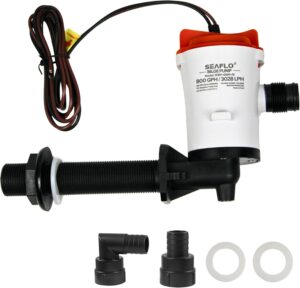
SEAFLO 05 Series 800 GPH Angled Bai…
Product description Keep bait healthy and your catch lively with the SEAFLO 05 Series 800 GPH…
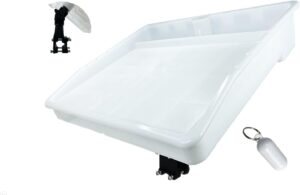
Pactrade Marine Bait Cutting Board …
From the brand Mission of Pactrade Marine Our main goal is to deliver products with the…
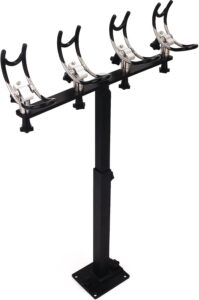
Premium Aluminum Boat Rod Holder &#…
🎣 Elevate Your Fishing Game with Mojiate’s Heavy-Duty Boat Rod Holder! Whether you’re chasing crappie on…
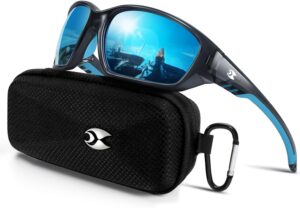
suoso Sports Polarized Sunglasses f…
From the brand suoso Sports Sunglasses SUOSO New Sports Sunglasses [99% UV400 Protection]: SUOSO sports sunglasses…
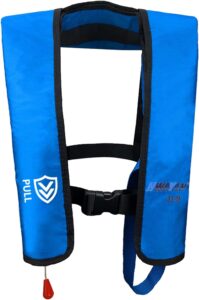
Manual Inflatable Life Jacket | Inf…
Manual Inflatable Life Jacket for Adults Stay safe & comfortable with our inflatable life jackets for…
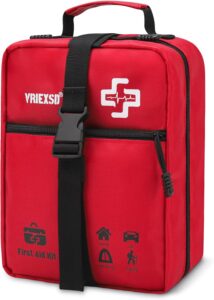
VRIEXSD 400 Piece Large First Aid K…
Product description TRY VRIEXSD FIRST AID KIT VRIEXSD hope that every user can have a calm…
