
How to Buy a Boat Without Overpaying
Buying a boat is exciting, but the sticker price is only the beginning. To avoid paying too much you need a clear plan: know the true costs, match the boat to your needs, and be prepared to inspect, negotiate, and budget for upkeep.
This guide lays out practical steps, inspection priorities, negotiation tactics, and cost-saving upgrades so you can make a confident purchase without regret.
1. Know the true cost: budget beyond the sale
Many buyers focus on the asking price and miss recurring and one-time expenses: insurance, registration, winter storage, trailer or transport, maintenance, and essential upgrades. Create a total-cost spreadsheet for the first three years to capture those items. For parts, accessories, and replacement components browse the US Nautics inventory to estimate what you might need right away.
2. Choose the right boat for how you’ll use it
Match the boat type to your primary activity. Fishing, day cruising, watersports, and family outings have different priorities: layout, deck space, seating, storage, and stability. For example, if you plan to spend most weekends on a pontoon, check options for seating comfort and layout rather than high-performance engines. Upgrading seating later is possible, but knowing the right style up front saves money and buyer’s remorse—see practical choices like Pontoon Boat Seats when comparing layouts.
3. Inspect used boats with a focused checklist
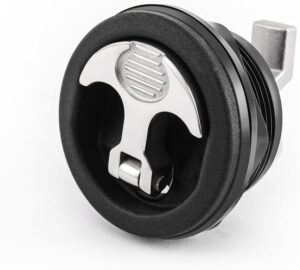
When evaluating a used hull, prioritize structural and safety items first: hull integrity, transom condition, and deck softness. Small cosmetic or hardware issues are usually inexpensive; confirm which parts are easy swaps so you can reflect that in your offer. For example, worn or broken latches and hatches are common fixes—prices for replacements like a Boat Hatch Latch T Handle are modest and simple to install, so factor that into negotiations rather than accepting an inflated asking price.
4. Prioritize mechanical and electrical systems
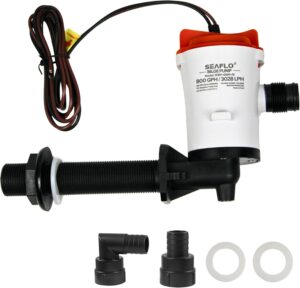
Engines, outdrives, steering, batteries, bilge pumps, and livewells are costly to repair—either rule out boats with unknown service histories or hire a surveyor for these items. Check service records and run the engine if possible. For fishing boats, confirm livewell functionality and pump condition; a failing livewell pump is a straightforward replacement but worth inspecting on-site. Know the cost of common replacements such as a SEAFLO 05 Series 800 GPH Angled Baitwell/Livewell Pump to estimate immediate expenses.
5. Negotiation tactics that work
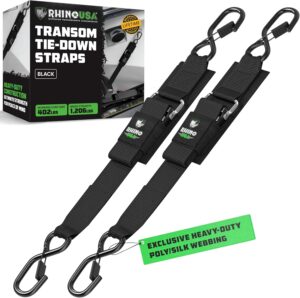
Use objective data to justify your offer: survey reports, comparable listings, repair estimates, and documented maintenance gaps. Time your purchase—sellers are often more flexible in late season or during weather changes. Separate emotional wants from rational numbers; walk away if the seller won’t budge when justified. Also account for associated items like trailers and tie-downs when evaluating a package price—trailer gear can be pricey, so inspect hardware and know replacement costs such as Rhino USA Boat Trailer Straps so you can negotiate accurately.
6. Smart upgrades that add value without overspending
Not every upgrade is necessary. Prioritize items that improve safety, comfort, or resale appeal: non-skid flooring, reliable seating, sound systems, and effective lighting. Some upgrades can be DIY-installed to save on labor. For example, replacing or adding EVA foam decking gives a new look and traction at a fraction of custom marine-floor costs—consider options like FOCEAN Boat Flooring EVA Foam when estimating post-purchase improvements.
7. Prioritize safety gear and essential accessories
Safety items are non-negotiable and reduce risk—and negotiating leverage—if they’re missing. Life jackets, signaling devices, fire extinguishers, and first-aid kits should be present or budgeted for immediately. Choose Coast Guard–approved gear appropriate for your passengers; a reliable option for adult buoyancy is the BLUESTORM Stratus 35 Inflatable Life Jacket. Having documentation for included safety gear improves a listing’s value and reduces bargaining points against you.
8. Storage, transport, and seasonal planning
Where you store and how you move the boat affect annual costs. Covered storage, shrink-wrap, or a quality cover reduces long-term wear but adds expense. If buying a pontoon or large deck boat, evaluate cover costs and replacement options—budget for a good fit like a Pontoon Boat Covers. Also factor in transport logistics: long hauls may require professional hauling, and local moves need trailer readiness and tie-downs.
Quick buyer checklist
- Estimate total cost for 1–3 years (insurance, storage, maintenance, upgrades).
- Confirm primary use and check layout/comfort (seating, deck space).
- Inspect hull, transom, and deck for structural issues.
- Run engine, test electrical systems, and check pumps/livewell.
- Get a survey for complex or high-value purchases.
- Document missing safety gear and get replacement quotes.
- Negotiate using comparables and repair estimates—not emotion.
- Plan storage and transport costs before finalizing the deal.
FAQ
- Q: Should I always hire a marine surveyor?
A: For boats over a certain value, older boats, or if you plan heavy use, a surveyor is a smart investment; for inexpensive, simple boats you can do a thorough self-inspection and still save, but be conservative in your offer. - Q: How much should I budget for immediate repairs?
A: That varies by boat age and condition—common small fixes (hardware, cushions, minor electrical) are often under a few hundred dollars; mechanical or hull repairs can be thousands. Use inspection findings to create an estimate before offering. - Q: Can I negotiate down if safety gear is missing?
A: Yes. Missing or expired safety equipment is a legitimate bargaining point because it represents an immediate cost and a safety risk—get quotes for required items and include them in your offer rationale. - Q: Is seasonality important when buying?
A: Yes. Prices tend to be softer late in the season and during off-peak weather. Sellers motivated to clear inventory or avoid winter costs are likelier to accept fair offers. - Q: What aftermarket upgrades are worth prioritizing?
A: Safety (life jackets, emergency signals), reliable electronics (battery and navigation basics), and durable flooring or seating that improves comfort and resale — these yield the best balance of cost vs. return.
Conclusion
Buy smart by budgeting for total ownership costs, matching the boat to your real needs, inspecting thoroughly, and negotiating from documented facts. Prioritize safety and systems that affect usability, and plan cost-effective upgrades rather than paying extra for cosmetic features. With preparation you’ll avoid overpaying and get a boat that serves you well.
Products Featured in This Article

FOCEAN Boat Flooring EVA Foam Boat …
From the brand What can we provide? High quality & Best Service FOCEAN is a professional…
SEAFLO 05 Series 800 GPH Angled Bai…
Product description Keep bait healthy and your catch lively with the SEAFLO 05 Series 800 GPH…
Rhino USA Boat Trailer Straps (2-Pa…
From the brand Rhino USA is a small family business founded by a father and two…
Boat Hatch Latch T Handle, Marine G…
From the brand Tired of boating gear that wears out fast? Bset Matel delivers innovative accessories…
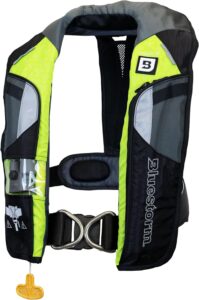
BLUESTORM Stratus 35 Inflatable Lif…
Product description Glowspot Bladder This life jacket includes a new advanced air chamber material by Erez….
