Boating with kids can create lifelong memories—if safety is central to the trip. A few practical preparations and clear onboard rules reduce risk and keep the day enjoyable for everyone.
This guide gives focused, actionable steps for parents and guardians: selecting the right gear, organizing the boat, supervising effectively, and preparing for common emergencies so you can stay calm and in control.
Choose the right personal flotation devices (PFDs)
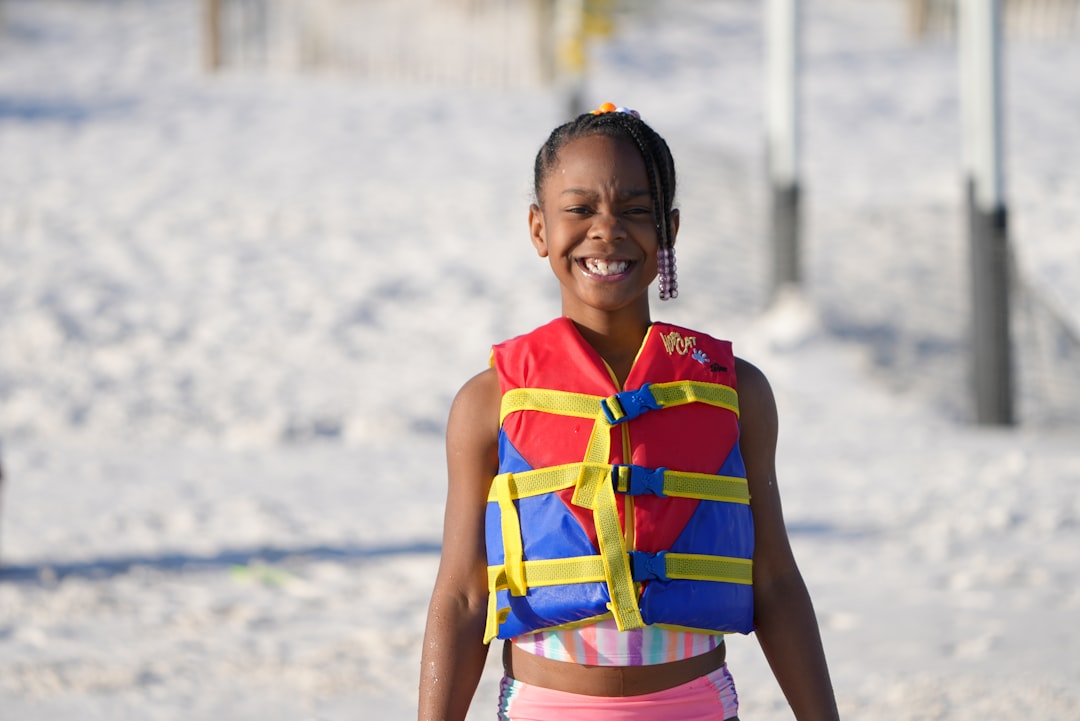
Always use Coast Guard–approved PFDs sized for the child’s weight and chest measurements. For infants, toddlers and older kids, a well-fitted, comfortable PFD that won’t slip off is essential. Bring spares in different sizes when unsure, and keep them easily accessible where you’ll put kids on board.
Shop categories like Kids Boat Life Jackets to compare styles and USCG approvals before your trip.
Teach fit and consistent wear
Before casting off, show children how to put on their PFD and let them practice. Check these key points: straps snug but not constricting, the jacket does not ride up when you lift at the shoulders, and buckles/zip closures are fully engaged. Make wearing a life jacket a non-negotiable rule whenever the boat is moving, when near the rail, or when on a swim break—set the expectation the moment they step aboard.
Assign safe seating and clear boundaries
Designate a primary seating area for each child—ideally a low, secure seat with back support. If you use a pontoon or family cruiser, stable seats reduce the temptation to climb or lean over rails. Explain “no running” and “no sitting on the rail” rules plainly and enforce them consistently.
Choosing comfortable, secure seating helps: consider options in the Pontoon Boat Seats category for family-oriented layouts.
Supervision models that work
Active supervision means an adult is watching, not scrolling on a phone. For toddlers and younger kids, a 1:1 ratio is ideal; for slightly older children, use a buddy system where an older child is paired with a parent or older sibling. Rotate responsibilities so no single adult is left watching for too long without breaks.
Assign specific tasks—“You are the lookout for the swim ladder” or “You help hand snacks to little ones”—so everyone has a role and attention stays focused.
Organize safety and emergency gear
Having well-organized emergency gear reduces response time in a minor or major incident. Keep a small, weatherproof kit near the helm for quick access and a larger kit stored in a known compartment. Your onboard kit should include bandages, antiseptic wipes, scissors, tape, and items for treating sunburns and minor cuts.
Stock up on a complete Marine First Aid Kits and make sure all adults know the kit’s location and contents.
Carry clear signaling and firefighting tools
Prepare for communication and visual signaling before you leave shore. A whistle or air horn is a simple, effective way for a child to get attention quickly if separated or if the skipper needs to alert others. Teach kids how and when to use them.
Stow an approved Boat Safety Whistles within easy reach of every child. For boat-wide emergencies, keep a dedicated Boat Emergency Signal Kits onboard with flares, LED signals or daytime flags appropriate to your waterway and the expected conditions.
Small fires can become serious quickly. Maintain an accessible Marine Fire Extinguisher that’s rated for boats, and ensure adults know how to operate it.
Plan for sun, water, and slips
Sun protection and hydration are central to a safe day on the water. Pack broad-spectrum sunscreen, hats, and long-sleeve swim shirts. Bring plenty of water and offer drinks regularly—children often don’t notice mild dehydration until they’re irritable or tired.
Prevent slips by using slip-resistant footwear and clearing walkways of tackle, toys, and wet towels. A shaded rest area reduces overheating and crankiness, making it easier to maintain rules and supervision all day. When you’re done, protect upholstery and gear with Pontoon Boat Covers to keep seats dry and safe for the next outing.
Visibility, lighting and night considerations
If you’re running at dawn, dusk or in limited visibility, good lighting and navigation awareness become critical. Exterior and interior lighting helps occupants move safely and signals your boat’s presence to others. Install and test proper lights before taking kids out in low-light conditions.
Consider upgrading or adding lights from the Pontoon Boat Lighting selection so paths, steps and the cockpit are well lit and hazards are minimized.
Checklist
- USCG-approved, properly sized life jackets for every child
- Designated, secure seating and clear “no running” rules
- Accessible marine first aid kit and knowledge of its location
- Whistles and emergency signaling devices within reach
- Marine fire extinguisher onboard and operational checks
- Sunscreen, hydration, slip-resistant footwear, shaded rest area
- Tested lighting for low-visibility outings
- Pre-departure safety briefing and assigned supervision plan
Conclusion
Prioritize prevention: fit the right gear, set clear rules, and carry organized emergency tools. With planning and active supervision, boating with kids can be a safe, joyful experience for the whole family.
FAQ
- Q: At what age can children be unbelted in a boat?
A: Always follow the life jacket manufacturer’s weight/size guidance and local regulations; children should wear PFDs whenever the boat is underway regardless of age.
- Q: How often should life jackets be checked?
A: Inspect PFDs before each trip for tears, buckles, and buoyant material condition; perform a more thorough check seasonally.
- Q: What’s the best way to teach kids emergency procedures?
A: Keep drills short and simple—practice putting on PFDs, using a whistle, and moving to a safe seat. Reinforce rules with rewards and role-play scenarios.
- Q: Which emergency items should be immediately accessible?
A: A small first-aid kit, an approved extinguisher, whistles, and a signaling device should be within arm’s reach at the helm and in the area where children sit or swim.
- Q: Can an inflatable life jacket be used for children?
A: Inflatable PFDs are not recommended for most children because they can be less reliable for non-swimmers and may have minimum weight requirements; stick with inherently buoyant, USCG-approved child life jackets.
