

How to Keep Your Boat Interior Clean and Comfortable
Keeping your boat interior clean and comfortable extends the life of upholstery, electronics and finishes while making every trip more enjoyable. A practical routine and a few smart upgrades will prevent damage from moisture, salt and dirt, and reduce time spent on heavy cleaning.
This guide walks through effective cleaning habits, material choices, storage solutions and safety items that belong inside every boat. Follow these steps to protect value and comfort without complicated maintenance.
Choose durable, easy-clean materials
Select seating and surfaces that resist mildew, stains and UV damage. Vinyl and marine-grade fabrics are common because they wipe clean and dry quickly. When replacing or upgrading seats, look for options designed for boating environments rather than generic outdoor furniture — for example, explore Pontoon Boat Seats to find marine-grade choices with weather-resistant construction and serviceable cushions.
Develop a consistent cleaning routine
Consistency beats intensive scrubbing. After each outing, spend 5–10 minutes removing trash, rinsing loose dirt and wiping high-traffic areas. Weekly, tackle a longer session: vacuum crevices, clean upholstery and wash hard surfaces.
Use cleaners formulated for marine surfaces to avoid damaging vinyl, canvas or clear coats. A dedicated marine cleaner makes stain removal and salt residue removal faster and safer; a reliable option for multi-surface jobs is 303 Marine Multi-Surface Cleaner, which is designed to lift dirt from vinyl, canvas and other boat interiors without harsh solvents.
Protect interiors between outings
When not in use, cover vulnerable areas to block sun, rain and bird droppings. Proper covers reduce UV fading and keep interiors drier, which limits mold growth and staining. For open-deck and pontoon boats in particular, full covers or tailored cockpit covers provide a compact, protective barrier — consider options at Pontoon Boat Covers to match your boat size and storage needs.
Control moisture and odors
Moisture is the biggest indoor threat on boats. Ventilate cabins after use and leave hatches slightly ajar when safe to do so. Use absorbent products in lockers and stowage areas, and clean wet cushions promptly.
In addition to routine drying and airing, use specialty cleaners and odor-control products designed for marine environments that resist salt and mildew buildup. Stock a few key items from the Yacht Cleaning Supplies category for tackling persistent odors, mold spots and vinyl care on larger craft.
Organize gear to reduce clutter
Clutter traps dirt and creates trip hazards. Use dedicated storage systems so tackle, life jackets and cushions have assigned spaces. For anglers, a well-planned tackle storage solution keeps hooks, lures and lines off seats and floorboards, simplifying cleaning and improving safety.
Consider category-specific organizers such as Marine Tackle Storage to keep fishing gear tidy and protected from moisture and salt when not in use.
Upgrade comfort and interior lighting
Small comfort upgrades reduce the temptation to make onboard messes (like eating over soft cushions) and make cleaning easier. Non-slip, quick-dry flooring or removable deck pads reduce dirt migration and are simple to hose off. Removable cushions with coated bottoms resist moisture and are quicker to dry.
Good interior lighting helps you clean effectively and spot areas that need attention. LED courtesy strips provide bright, low-heat illumination and use little power — a compact option suitable for cabins and consoles is the PSEQT LED Boat Interior Lights. Install lights where they improve visibility for cleaning and night-time comfort.
Keep emergency and safety items clean and accessible
Safety gear should be both reachable and maintained. A clean first aid kit, properly stowed and protected from moisture, supports quick response while preserving supplies. Store your kit where it’s easy to grab and check it each season for expired items. Browse reliable options in the Marine First Aid Kits category to find kits sized for day trips or extended cruises.
Fire safety: prevention and readiness
Fire risk increases in enclosed spaces with fabrics, fuels and electrical systems. Preventive steps like keeping flammable items sealed and wiring tidy help reduce risk. For readiness, carry an appropriate marine-grade extinguisher and ensure it’s mounted where everyone can reach it. Check the gauge and service dates regularly; for a selection of compliant options look at Marine Fire Extinguishers.
Quick maintenance checklist
- Daily: Remove trash, rinse saltwater off surfaces, air cushions and close damp lockers.
- Weekly: Vacuum, wipe vinyl and hard surfaces with a marine cleaner, dry mats and cushions.
- Monthly: Check seals, inspect cushions for mildew, clean under seats and inspect safety gear.
- Seasonal: Deep-clean upholstery, treat canvas and vinyl, service extinguishers and restock the first aid kit.
FAQ
Q: How often should I clean upholstery? Clean visible dirt weekly and deep-clean or treat vinyl and fabrics at the start and end of the season. Promptly address spills and salt deposits.
Q: What’s the best way to dry cushions? Remove cushions when possible, stand them on edge in the sun or a ventilated area, and flip them to speed drying. For longer storage, ensure cushions are fully dry before stowing.
Q: Can household cleaners be used on boat interiors? Avoid harsh household cleaners that contain bleach or strong solvents; they can degrade vinyl and canvas. Use products labeled for marine use to protect materials and coatings.
Q: How do I prevent mold in lockers and compartments? Keep compartments dry, use desiccants or moisture absorbers, and leave doors slightly open when possible to promote airflow. Clean any early signs of mold with a marine-grade product.
Q: What should I do if my interior smells musty? Identify and remove the moisture source, wash affected fabrics with a suitable cleaner, ventilate the cabin, and use odor-absorbing products or baking soda in closed compartments until the smell dissipates.
Conclusion
A clean, comfortable boat starts with routine habits: quick daily tidies, weekly maintenance and the right products and gear. Invest in marine-specific cleaners, protective covers and organized storage, and keep safety equipment maintained and accessible. Small, regular actions prevent big problems and make every trip more enjoyable.
Products Featured in This Article
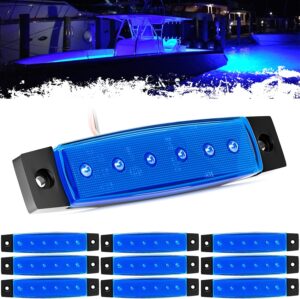
PSEQT LED Boat Interior Lights Mari…
From the brand PSEQT design and production the best Auto & Boat Accessories.We provide —LED boat…
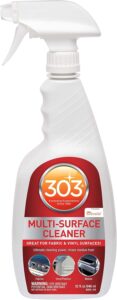
303 Marine Multi-Surface Cleaner fo…
Product description The video showcases the product in use.The video guides you through product setup.The video…
