
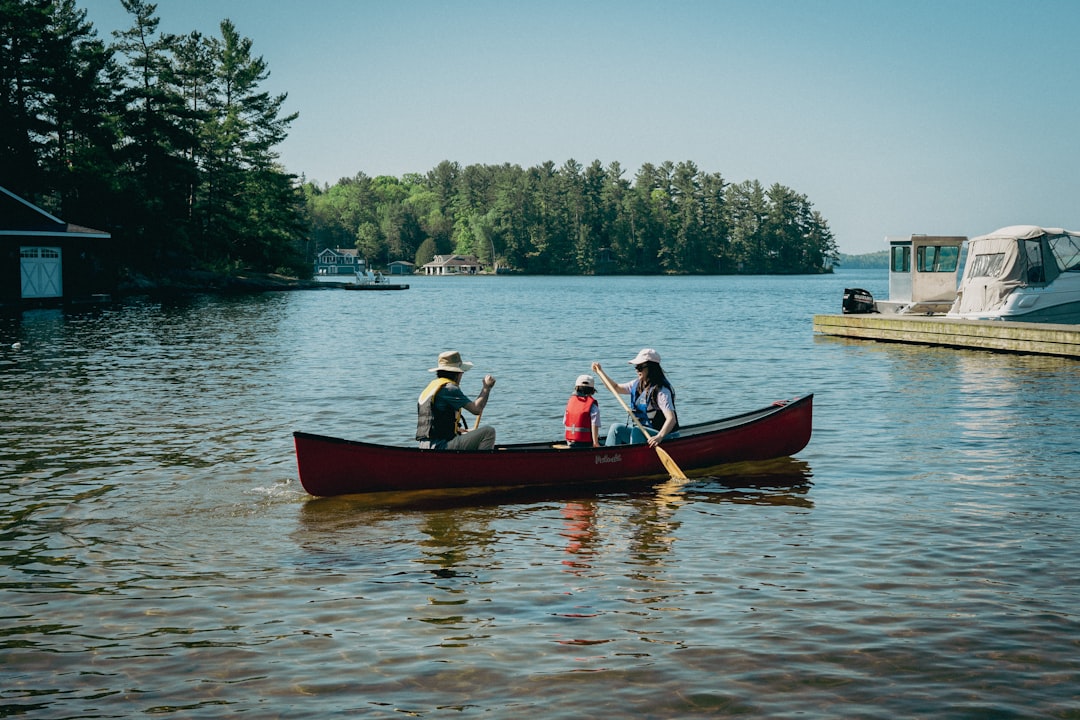
How to Plan a Family-Friendly Boating Day
A family boating day should be relaxed, safe, and memorable. With straightforward planning, the right gear, and clear roles for everyone on board, you can minimize stress and maximize fun—whether you’re on a pontoon, runabout, or small cabin boat.
This guide gives a practical checklist and clear steps to prepare, pack, and run a safe, comfortable outing the whole family will enjoy.
1. Plan your route and check conditions
Decide on a destination that matches your family’s comfort level: calm lakes and protected coves are best for young children and first-time boaters. Plot a realistic timeline that includes transit time, anchoring, meals, and buffer for delays.
Before leaving, check the local weather, wind, and water conditions and verify any area restrictions or wake rules. If you’ll be stopping at ramps or marinas, note operating hours and nearby services so you can return without surprises.
2. Confirm safety basics for every passenger
Make sure everyone onboard has a correctly sized, Coast Guard–approved life jacket. For infants and toddlers, choose designs that offer head support and secure straps so they stay comfortable and safe while moving around the boat. Consider keeping spare jackets for unexpected guests or changes in conditions: Kids Boat Life Jackets.
Assign a safety briefing role so one adult explains where life jackets, throwable floatation, fire extinguishers, and first aid supplies are stored. Keep a well-stocked medical kit within reach; minor cuts, stings, or scrapes happen, and a comprehensive kit speeds treatment: Marine First Aid Kits.
3. Onboard emergency gear and communication
Even on calm days, you must be prepared for small onboard emergencies. A compact fire extinguisher is essential and required on most vessels—store it in a consistent, accessible location: Marine Fire Extinguishers.
For signaling and unexpected stops, include audible and visual options. A simple safety whistle can be used for close-range alerts and to teach children an emergency whistle protocol. Keep one attached to the captain’s console and another near the kids’ area: Boat Safety Whistles.
4. Comfort and seating: make the boat kid- and adult-friendly
Comfortable, secure seating makes a big difference for family trips. Choose seats with good back support and durable, easy-to-clean materials; having designated seats for children prevents slipping and keeps behavior predictable: Pontoon Boat Seats.
If you plan to picnic or serve food on board, a stable table helps keep items secure and reduces spills. Bring table clips or mount points if your boat supports a removable table system: Pontoon Boat Tables.
5. Food, hydration and kid-proof snacks
Pack water by the jug rather than many single-use bottles—easier to manage and keeps everyone hydrated. Choose low-mess, high-energy snacks (cut fruit, sandwich rolls, granola bars) and bring containers with secure lids. Include a small dry bag for wipes and trash to keep the cockpit tidy.
Plan meals that don’t require heat if you lack a galley or grill, and set up a designated eating area to contain crumbs and spills. Stagger snack or meal times to prevent a feeding frenzy when you’re trying to maneuver or dock.
6. Activities: fishing, swimming and screen-free play
Match activities to the boat and the kids’ ages. For families who fish, install or bring rod holders mounted away from high-traffic areas so rods are safe while kids move around: Boat Rod Holders.
Bring floating toys with bright colors, a designated swim ladder that’s easy for kids to use, and simple games that encourage observation—bird or boat spotting, scavenger lists, or short nature quizzes. For quiet time, preload a tablet with offline activities but set screen limits so the outing stays interactive.
7. Docking, anchoring and arriving/departing smoothly
Practice docking with one experienced adult handling lines and the engine. Keep fenders and bumpers ready before approach to protect the hull and the dock. Use soft, well-positioned bumpers for vulnerable sections: prepare ahead to avoid last-minute scrambling.
Always have secure tie lines ready and in good condition; a reliable dock line makes arrivals and departures faster and safer, particularly with children onboard: Boat Dock Lines.
8. Pre-trip maintenance and a loading plan
Do a quick systems check the morning of departure: battery voltage, fuel levels, bilge pump, navigation lights, and steering responsiveness. Inspect the hull and prop area for debris. Create a loading order—gear and cooler first, then seating cushions, then people—to keep balance and distribution predictable.
Pack items in labeled bins: safety (jackets, whistle, extinguisher), first aid and meds, food and utensils, and play items. Keep frequently used items in easy-to-reach compartments so you don’t need to move heavy boxes mid-trip.
Quick checklist
- Life jackets for each passenger (proper size)
- Marine first aid kit and basic medications
- Fire extinguisher and audible signal (whistle)
- Planned route, tide/wind/weather check
- Water, low-mess food, sun protection
- Secure seating, table, and shaded area
- Fishing gear safely stowed with rod holders
- Fenders, dock lines, and clear docking plan
- Battery, fuel, lights, and bilge check
FAQ
Q: What age should a child wear a life jacket at all times?
A: Children should wear an approved life jacket any time they are on deck or near open rails. For toddlers and infants, ensure the jacket fits their size and supports the head.
Q: How many adults should supervise kids on a family boating outing?
A: At least one adult should be dedicated to supervising children when the boat is underway or at anchor; when swimming or during transfers, another adult should be close by to assist.
Q: Can we bring our own food or are there restrictions?
A: You can bring your own food; avoid glass containers, pack secure lids, and follow local rules for wildlife—do not feed animals and store trash securely.
Q: What should I do if weather turns bad unexpectedly?
A: Head to the nearest safe harbor or protected shoreline, reduce speed, secure loose items and passengers, and use signaling devices if visibility or control worsens.
Q: Are throwable cushions required?
A: Many regions require a throwable flotation device onboard for vessels above a certain length. Keep it accessible and instruct one adult to grab it if someone falls overboard.
Conclusion
Successful family boating comes down to three things: prepare, prioritize safety, and plan simple activities. With the right safety equipment, comfortable seating, and a clear plan for docking and emergencies, you’ll keep stress low and enjoyment high. Pack smart, brief the crew, and choose calm waters for your first family outings—then build confidence for longer trips.
Products Featured in This Article
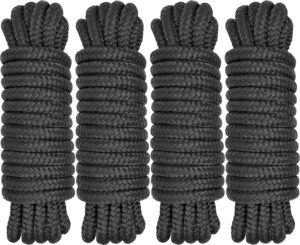
Boat Dock Lines 1/2″ x 15R…
From the brand Shop 1/2 Inch Boat Dock Lines Shop 5/8 Inch Boat Dock Lines Shop…
