
How to Prepare Your Boat for a Weekend on the Water
A weekend on the water is one of the best ways to recharge, but a short trip can become stressful without a little preparation. A focused pre-departure routine reduces risks, keeps people comfortable and ensures you return with good stories — not surprises.
This guide walks you through practical steps to prepare your boat for a two- to three-day outing: safety checks, mechanical basics, fishing and cleanup, and small comfort upgrades that make a big difference.
1. Pre-trip quick inspection
Start with a walkaround checklist the morning of departure: check hull condition, drain plugs, fuel and oil levels, battery charge, bilge and livewell systems, and remove obvious clutter. Verify your trailer (if launching from a trailer) — tire pressure, lights and winch line.
If you want a single source for replacement parts and useful accessories, browse US Nautics for items that match your boat class and the supplies listed below.
2. Safety gear and flotation
Every person aboard must have a wearable USCG-approved life jacket appropriate for activity and size. Stow extra throwable flotation, a charged handheld VHF or a charged cell inside a waterproof case, and a signaling kit. Check expiration dates on flares and replace any degraded items.
For organized options and properly categorized gear, check the Yacht Safety Gear selection to match your passenger count and vessel size.
3. Engine, fuel and electrical checks
Fuel: top off tanks or calculate fuel burn plus 20–30% reserve for delays. Inspect fuel lines for cracking and ensure vents are clear. Engine oil and coolant: check level and look for leaks. Batteries: confirm full charge, clean terminals and secure connections. Carry a basic tool kit, spare belts, and a spare ignition key in a waterproof pouch.
Fire risk increases with fuel and electrical faults. Keep an accessible extinguisher rated for marine use near the helm and engine compartment.
Marine Fire Extinguishers can be found in multiple sizes and mounting styles to fit small runabouts through larger yachts.
4. Navigation, lighting and electronics
Confirm GPS/chartplotter and compass accuracy. Update electronic charts and download necessary waypoints. Test your VHF radio transmit and receive functions, and check AIS/Sonar if installed. Bring paper charts for local waters as a backup.
Visibility after dusk or in poor weather requires reliable deck and courtesy lighting. Test all navigation lights, anchor light, and interior/docking lights before leaving the dock.
Consider low-profile, waterproof LED strips or courtesy lights to improve safety at night: see Marine Deck Lights for compact lighting options.
5. Deck prep and non-skid surfaces
Clear the deck of loose gear that can trip people or fall overboard. Secure rods, coolers and loose cushions. Inspect and tidy lines: coil fenders, check chafe on dock lines, and mark cleats for quick docking. If you have kids or an elderly passenger, consider adding extra non-skid surface in high-traffic areas.
Marine-grade mats can reduce slips and protect deck finish — a simple upgrade that improves safety and comfort. Browse Marine Deck Mats to find sizes and adhesive options suitable for your boat.
6. Fishing setup and tackle organization
If fishing is on the agenda, organize your gear the night before. Sort lines, lures and terminal tackle so you can grab what you need quickly. Check rod holders, reels and the livewell pump. Label or color-code tackle boxes for different species or techniques to reduce time wasted when a bite happens.
Good tackle storage keeps your deck tidy and prevents lost lures. Invest in purpose-built containers and boxes from a trusted selection like Marine Tackle Storage.
7. Fish cleaning, bait and handling
If you plan to clean fish on board, designate a stable, sanitary surface and have freshwater rinse available. Bring gloves, a sharp fillet knife with sheath, and a container for scraps to avoid fouling the bilge. Check local regulations for waste disposal — many marinas require fish waste be kept off docks.
Portable bait and cleaning stations make filleting faster and neater. The Pactrade Marine Bait Cutting Board is designed for onboard cleaning with built-in slots and compartments to keep tools in place.
8. Boarding, docking and getting underway
Practice a brief crew briefing: assign docking duties, who handles lines, and who watches for traffic. Inspect boarding aids — ladders, steps and handholds — for secure mounting. If someone will be swimming, ensure the boarding ladder is rigid and non-slip and that you have a throw rope nearby.
For reliable access and quick reboarding, confirm ladder hardware and placement fit your routine. If you need replacement ladders or mounts, look at the Boat Ladders category for styles that match your transom and swim platform.
Quick weekend boating checklist
- Life jackets for everyone; spare throwable flotation
- VHF radio charged, phone in waterproof case
- Fuel topped, oil checked, batteries charged
- Spare lines, fenders, dock cleats and winch inspected
- Fire extinguisher accessible and inspected
- Navigation lights and courtesy lights tested
- Tackle organized; bait/cleaning station ready
- First aid kit, tool kit, spare key, and anchor with rode
- Weather check and float plan left with someone ashore
FAQ
- How early should I perform checks before leaving? Do a full systems check the night before and a quick walkaround and engine run 30–60 minutes before departure.
- What safety items are must-haves for a weekend trip? Wearable life jackets, a charged radio, visual/audible signaling, a first-aid kit, and a fire extinguisher sized for your vessel.
- How much fuel reserve is recommended? Plan for your trip fuel plus at least 20–30% reserve and extra if you expect trolling or extended idling.
- Can I clean fish onboard at marinas? Many marinas prohibit cleaning on docks; use onboard cleaning and store scraps in proper containers, then dispose according to local rules.
- What if electronics fail? Carry paper charts and a handheld VHF. Knowing basic piloting and having an anchor ready lets you hold position until you can troubleshoot or signal for help.
- Should I bring shore power accessories? For extended weekends at a slip, bring shore-power cords and adapters, and confirm marina outlet compatibility before arrival.
Conclusion
Preparing for a weekend on the water is about prioritizing safety, ensuring systems reliability, and organizing gear so time is spent enjoying the trip — not fixing problems. Use the checklist above, verify key items, and make small upgrades where needed to improve safety and comfort. A little preparation goes a long way toward a relaxed, trouble-free weekend afloat.
Products Featured in This Article
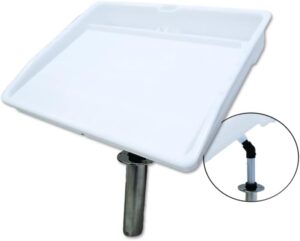
Pactrade Marine Bait Cutting Board …
From the brand Mission of Pactrade Marine Our main goal is to deliver products with the…
