
How to Prepare Your Boat for Long-Distance Cruising
Long-distance cruising is rewarding, but success depends on preparation. A systematic pre-cruise routine reduces failure points, keeps passengers safe, and preserves your time on the water.
Use a checklist approach: inspect critical systems, stock appropriate spares and safety gear, and confirm navigation and communication equipment are ready. For gear and categories that help with preparedness, browse the US Nautics selection for ideas and supplies.
Plan Your Route and Schedule
Before you leave, plan waypoints, alternates and fuel stops. Check charts, tides, currents and known hazards. Build a conservative schedule with daylight legs for unfamiliar waters. File a float plan with a contact ashore and review local regulations and entry/exit requirements for ports you’ll visit.
Engine and Drive System: Inspection and Spares
Start with a full mechanical inspection: belts, hoses, clamps, cooling system, impeller and lower unit. Change oil and filters if due, and replace fuel filters or water separators. Carry essential spares—impeller, belts, fuel filters, an extra starter solenoid and basic gasket kits—plus tools sized to your engine. Verify prop condition and secure fasteners; a loose hub can escalate quickly at sea.
Electrical Systems and Power Management
Long passages demand reliable charging and battery management. Test batteries under load, verify alternator output and shore-power connections, and label main positive/negative runs. Add redundancy: a secondary start battery or dedicated house bank protects critical systems.
For onboard charging solutions and to maintain multiple battery banks while cruising, consider upgrading to a reliable multi-bank charger such as the 3 Bank Marine Battery Charger. Proper charging strategy extends battery life and prevents failures mid-cruise.
Navigation, Communication and Electronics
Verify chartplotter and GPS integrity; update charts and firmware before departure. Test backup navigation methods—paper charts, compass and plotting tools—and bring spare batteries or a portable GPS. AIS and radar should be tested in harbor before transit.
Communication is mission-critical: test VHF transmissions, antenna connections and emergency alert functions. A robust VHF with weather capabilities ensures voice communications and alerts; a good option is the Uniden UM725 Marine VHF Radio, which covers NOAA weather and has strong transmit power for longer-range contacts.
Safety Gear and Emergency Preparedness
Inspect every life jacket and ensure the correct sizes and types for your crew. Inflatable and inherently buoyant vests should be serviced and re-armed per manufacturer guidance. Review MOB (man overboard) procedures and practice recovery with crew before departure.
Assemble a medical and signaling kit tailored to your route and crew size. A comprehensive medical kit designed for marine use is essential—see options under Marine First Aid Kits. For visual and audible distress signaling, include SOLAS flares, lights and redundancy: a certified emergency kit like those found in the Boat Emergency Signal Kits category provides a pre-assembled option that meets many voyage needs.
Mooring and Deck Hardware
Check cleats, fairleads, chocks and lines for chafe and secure mounting. Replace worn fasteners and use appropriate stainless hardware for through-bolted fittings. Inspect fenders and their attachment points; test deck pumps and bilge switches.
Good dock lines are fundamental for safe arrivals and temporary tie-ups—stock high-quality lines such as the Boat Dock Lines (double-braided nylon) and carry spares sized for heavier loads and longer docks.
Anchoring and Ground Tackle
Review anchor condition, chain and rode. Clean and inspect shackles and swivels; tape threads to prevent lost pins. Ensure windlass is serviced and that manual recovery options exist if the windlass fails. Match anchor type and size to your boat and expected bottom conditions.
Always carry a dedicated anchor rode and backup scope; a reliable choice for rode is a robust nylon anchor line such as the Boat Anchor Rope (3/8″ x 50ft) paired with appropriate chain and connectors.
Comfort, Storage and Weather Protection
Long passages are easier when crew comfort and organization are addressed. Secure loose items in lockers, use non-skid decking for high-traffic areas and fit storage solutions for tackle, tools and spares. Check bilge heaters or insulation in colder climates and provide shade for tropical passages.
Protecting the boat when not underway reduces maintenance needs between legs. Quality covers and storage options tailored to your boat (for example, specialized Pontoon Boat Covers if applicable) help preserve finishes and systems during stopovers or extended stays.
Pre-Departure Checklist
- Confirm float plan filed with a shore contact and provide ETA updates.
- Engine: oil, filters, impeller, belts—spares on board.
- Electrical: battery health, charger/alternator function, fuses and spare wiring.
- Navigation: updated charts, VHF test, GPS backup.
- Safety: life jackets for all, first aid kit, emergency signals, fire extinguisher serviced.
- Mooring/anchors: check lines, cleats, rode and windlass; pack extra fenders.
- Provisions: water, fuel margins, basic galley supplies and motion-sickness remedies.
- Communications: phone backups, handheld VHF, charging power bank.
- Weather: final forecast check and decision window for departure.
FAQ
- How far in advance should I service the engine? Service at least one week before departure to allow for repairs or parts replacement discovered during inspection.
- What spare parts are must-haves for offshore cruising? Impeller, fuel/water separators, belts, starter solenoid, alternator belt, electrical fuses, hose clamps and extra prop hardware.
- How do I choose the right life jackets? Match PFD type to activity (offshore vs. nearshore), ensure correct sizing for each person, and check expiration/service requirements for inflatables.
- Should I rely on electronic charts only? No. Carry up-to-date paper charts and practice dead-reckoning and compass navigation as electronic backups can fail.
- How much fuel reserve is recommended? Plan for at least 20–30% extra beyond planned consumption for contingencies; increase margin for strong currents, adverse weather or alternate routing.
Conclusion
Thorough preparation turns long-distance cruising from risky to manageable. Prioritize safety, redundancy and preventive maintenance, and use a written checklist before leaving the dock. Small investments in spares, reliable chargers and communications gear pay off as fewer interruptions and faster problem resolution at sea.
Products Featured in This Article
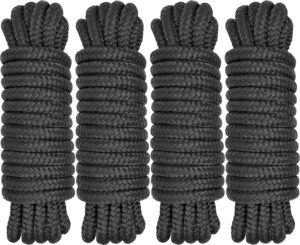
Boat Dock Lines 1/2″ x 15R…
From the brand Shop 1/2 Inch Boat Dock Lines Shop 5/8 Inch Boat Dock Lines Shop…
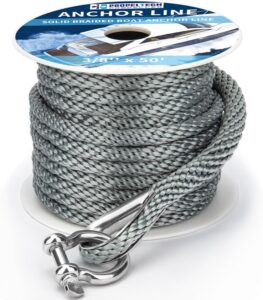
Boat Anchor Rope 3/8 inch 50ft Prem…
From the brand Anchor line and propeller Dock line and propeller Dock line and propeller 1.[…
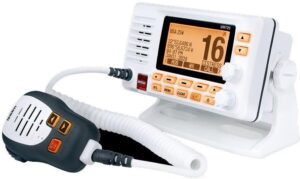
Uniden UM725 Marine VHF Radio, All …
The Uniden UM725 VHF marine comes packed with the latest features, including IPX8 submersible waterproof rating,…
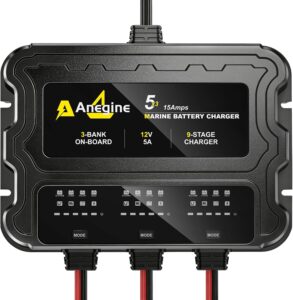
3 Bank Marine Battery Charger, 12V …
Product description 1 Multi-Functional 2 Force Mode 3 Multiple Protection The video showcases the product in…
