

How to Protect Your Boat from Sun, Saltwater, and Weather Damage
Owning a boat is a commitment: regular use is fun, but exposure to sun, saltwater, and weather wears on materials fast. The right preventive routine and a few quality products dramatically slow deterioration and save time and money in the long run.
This guide covers the practical steps — from rinsing after use to choosing covers, docking gear, and routine maintenance — so your boat stays safe, attractive, and ready to go.
Use the Right Cover and Ventilation
A properly fitted cover is the first line of defense against UV, rain, and debris. Covers reduce sun damage to upholstery and dash electronics, and they keep moisture out when paired with good ventilation. For pontoons, choose a cover designed for that platform to ensure full protection and proper drainage.
Explore purpose-built options like Pontoon Boat Covers to match your boat’s shape and provide reliable sun and weather protection.
Rinse Salt Off Immediately After Use
Salt is corrosive: left on metal, gelcoat, and fabrics it accelerates pitting and fading. Rinse the hull, outboard, and any exposed hardware with fresh water as soon as possible after saltwater trips. Pay attention to hidden areas—bilge, engine flanges, and rigging—where salt concentrates.
For regular hull care, use a product formulated to lift salt and grime without harming paint or gelcoat. A product like Biokleen Hull Kleen is designed for hull cleaning and salt removal while being safe on most marine finishes.
Clean Surfaces Properly — Upholstery, Canvas, and Gelcoat
Salt, sunscreen, bird droppings, and airborne pollutants all take a toll on seats, canvas, and fiberglass. Use cleaners matched to the material: vinyl cleaners for upholstery, mild detergents for canvas, and marine-specific products for gelcoat.
For multi-surface cleaning tasks, including vinyl and canvas, keep a dedicated marine cleaner onboard to remove stains and prevent mold buildup. Consider reliable solutions like 303 Marine Multi-Surface Cleaner to keep interiors and covers in good shape.
Protect Gelcoat and Metal with Wax and Coatings
Regular polishing and protective coatings restore shine and add UV protection. A good compound removes oxidation, while a high-quality polish or wax seals the surface against contaminants and sun. Don’t skip polymer sealants or waxes at the start of the season and mid-season touch-ups for boats exposed to strong sun.
For heavily oxidized surfaces, use a proven gelcoat compound and polish that remove defects and add lasting protection. Products such as 3D Marine All-in-One Gel Coat Compound combine cutting, polishing, and protection in one step, saving time while restoring hull finish.
Protect Hardware and Prevent Corrosion
Salt and sun attack stainless steel, aluminum, and fasteners. Rinse hardware after each outing and inspect for early signs of corrosion. Apply a corrosion inhibitor to exposed fasteners and moving parts, and lubricate hinges, latches, and steering components regularly.
Replacing pitted or corroded parts quickly keeps small problems from becoming major repairs. Store spare fasteners and corrosion-resistant replacements aboard if you plan long trips in saltwater.
Docking: Fenders, Bumpers, and Proper Lines
Docking friction and UV exposure can cut into pontoons and fibreglass quickly. Proper fenders and bumpers take the impact and prevent chafing. For versatile protection that handles varying water levels, inflatable fenders and bumpers are a good choice.
Quality inflatable options like Inflatable Boat Bumpers for Docking protect hull sides and rails during docking and while tied up.
Equally important are proper mooring lines sized and arranged to absorb shock and prevent chafe. Heavy-duty double-braided nylon lines help, and keeping spare lines on deck makes quick adjustments easier. Consider durable lines like Boat Dock Lines designed specifically for mooring and docking.
Seasonal Storage and Winterizing
If you store your boat for months, proper winterization prevents freeze damage, mold, and deterioration. Drain water systems, treat fuel, remove electronics or store them in dry, climate-controlled places, and ensure the bilge is dry. Use breathable covers so trapped moisture doesn’t cause mold.
For long-term storage, a combination of shrink-wrap (with ventilation), elevated blocks, and clean dry storage is ideal. Routine checks during storage can catch problems early — visit monthly when possible.
Emergency Readiness and Safety Gear
Keeping protective gear and emergency equipment in good working order protects the boat and people aboard. Fire is a big risk when fuel, battery systems, and heat sources are present; make sure extinguishers are rated for marine use and inspected frequently.
Stock marine-grade safety gear, including a reliable Marine Fire Extinguisher—appropriate size and mounting are critical for effective response.
Maintenance Schedule — What to Do and When
Regular, scheduled maintenance beats emergency repairs. A simple schedule to follow:
- After every saltwater outing: rinse hull, motor, and hardware with fresh water.
- Weekly during season: wipe down seats, check bilge, inspect lines and fenders.
- Monthly: inspect hull for oxidation, clean with marine cleaners, lubricate moving parts.
- Season start/end: full detail, wax, service engine and battery, winterize if needed.
Quick Checklist
- Cover boat with a properly fitting cover when not in use (Pontoon Boat Covers for pontoons).
- Rinse salt off immediately after trips using hull-safe cleaners like Biokleen Hull Kleen.
- Keep a multi-surface marine cleaner on board for stains and canvas care (303 Marine Cleaner).
- Wax and seal gelcoat each season with a quality compound (3D Gel Coat Compound).
- Use fenders and durable dock lines when mooring (Inflatable Bumpers, Boat Dock Lines).
- Keep inspected fire extinguishers and safety gear accessible (Marine Fire Extinguisher).
- Stock cleaning and maintenance supplies in a dedicated locker (Yacht Cleaning Supplies).
FAQ
- How often should I rinse my boat after saltwater use?
Rinse immediately after each outing; a thorough rinse and wipe-down is best within a few hours.
- Will a cover prevent UV damage completely?
Covers greatly reduce UV exposure but choosing the right material and ensuring ventilation is important to avoid trapped moisture and mildew.
- How often should I wax the hull?
At minimum once each season; boats in high-UV or heavy-use environments benefit from a mid-season touch-up.
- What’s the best way to protect hardware from corrosion?
Rinse regularly, apply corrosion inhibitor, and replace corroded fasteners with marine-grade stainless alternatives when needed.
- Are inflatable fenders sufficient for long-term mooring?
Yes for most situations; for long-term or exposed moorings consider larger, higher-capacity fenders matched to vessel size and water conditions.
Conclusion
Protecting your boat from sun, salt, and weather is a mix of good habits, routine maintenance, and the right gear. Rinse after use, clean and protect surfaces, use covers and fenders, maintain hardware, and keep safety equipment up to date. Small investments and regular care deliver big longevity gains — and more trouble-free time on the water.
Products Featured in This Article
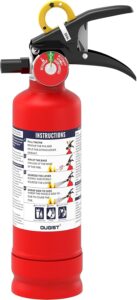
Ougist ABC Fire Extinguisher for Ho…
Product description EASY TO USE WITHOUT TRAINING:Patented handle design removes the safety pin—no twisting, no fiddling….
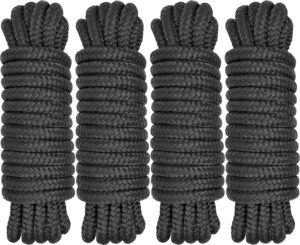
Boat Dock Lines 1/2″ x 15R…
From the brand Shop 1/2 Inch Boat Dock Lines Shop 5/8 Inch Boat Dock Lines Shop…
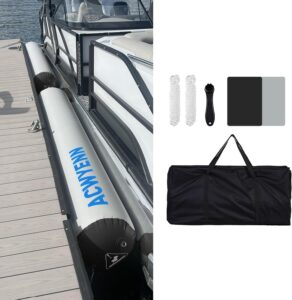
Inflatable Boat Bumpers for Docking…
Boat Fender GREAT FOR BOAT PROTECTION: ACWYENN inflatable boat fender offers great boat protection when tying…
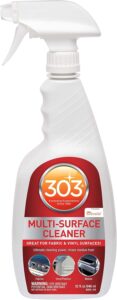
303 Marine Multi-Surface Cleaner fo…
Product description The video showcases the product in use.The video guides you through product setup.The video…
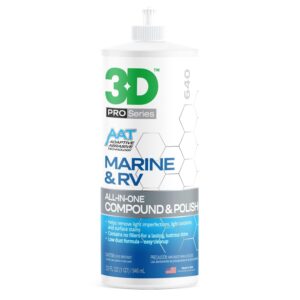
3D Marine & RV All-in-One Gel-…
Product description The video showcases the product in use.The video guides you through product setup.The video…
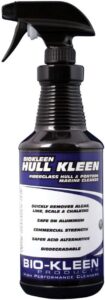
Biokleen M01607 Hull Kleen – …
NA Capacity: 32 ozWeight: 2.4 lbsGreat Gift Idea.Satisfaction Ensured.Weight: 2.4 lbs Product summary shift + alt…
