Heading out on the water is one of the best ways to enjoy a day, but weather ignorance is the most common cause of avoidable trouble. Knowing how to read and interpret conditions before you cast off keeps your passengers safe, your boat protected, and your day on the water predictable.
Before you go, check both the forecast and your gear. If you need quick access to boating supplies and safety equipment, browse trusted options at US Nautics.
Understand the core weather elements
Start with the basics: wind speed and direction, pressure trends, precipitation probability, visibility, and temperature. Each of these affects boating differently. Wind creates waves and can capsize small craft; pressure drops often precede storms; low visibility (fog, heavy rain) impairs navigation. Always note the timing window of any forecasted change—an afternoon thunderstorm is a different risk than an overnight frontal passage.
Check forecasts and local notices
Use multiple sources for forecasts: a reputable weather app, marine forecasts, and local broadcast advisories. Compare short-term (0–6 hour) and longer-range forecasts. Pay attention to marine-specific briefings that include wave height, gale warnings, and small craft advisories. If you have a VHF radio on board, tune to channels that carry weather updates; a quality unit such as the Uniden UM725 Marine VHF Radio can receive NOAA weather channels and alerts where available.
Read wind and wave forecasts, then visualize them
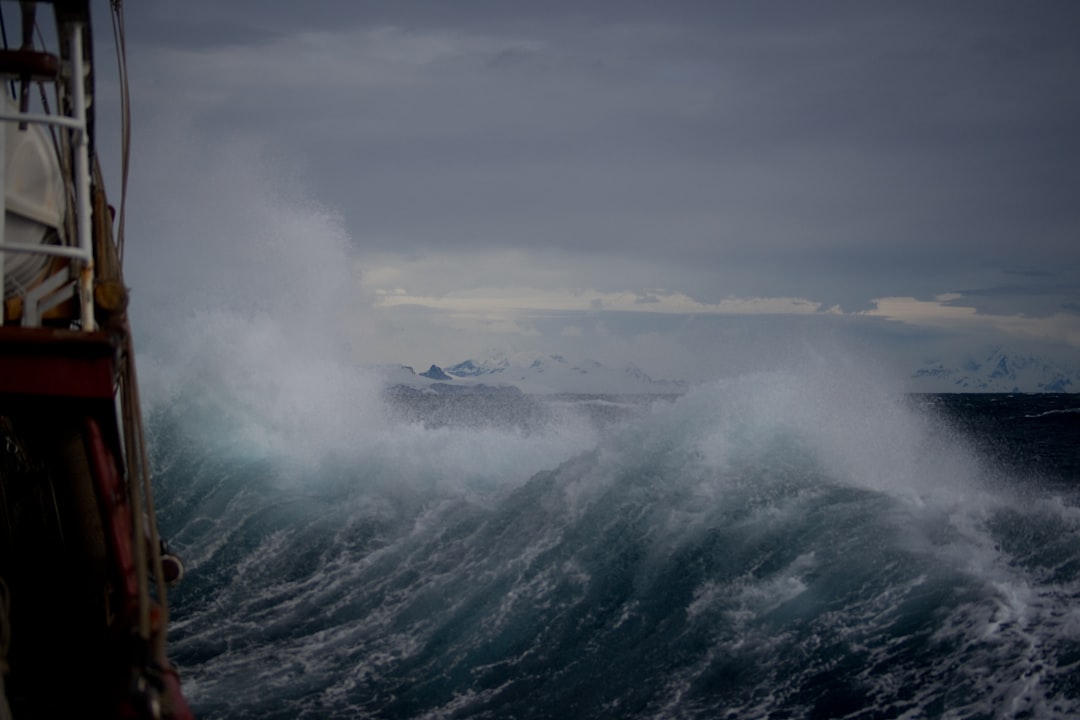
Wind forecasts are more than a number. A steady 15–20 knot wind on an exposed lake can create two- to three-foot waves in minutes; the same on a narrow river may funnel and gust higher. Look at wind direction relative to your planned route: onshore winds push you toward obstacles; offshore winds can make returning to shore difficult. Wave period is important—short, steep waves are rougher than long, rolling swells at the same height.
Visibility, fog, and night conditions
Reduced visibility demands extra caution. Fog can form quickly with light winds and temperature changes; rain squalls can cut visibility to a few yards. If you expect low light or night operations, ensure navigation lights and interior lighting are functional—consider upgrading or replacing lights from the Pontoon Boat Lighting category to improve visibility for other vessels and for your own navigation.
Watch for microclimates and local hazards
Large lakes, coastal inlets, and river bends create microclimates. Wind may be calm at the marina but gust around headlands or through channels. Temperature differences between land and water can spawn fog, gusts, or localized storms. Check tide and current charts where relevant—currents can amplify wave action and complicate maneuvering.
Life jackets and flotation: match gear to conditions
Choose life jackets that suit your activity and likely conditions. Inflatable jackets deliver comfort and high buoyancy for adults in fair conditions, while inherently buoyant jackets are better for heavy weather, unconscious occupants, or small children. If you want compact, high-performance options, consider browsing Inflatable Boat Life Jackets to find models rated for your needs.
Safety essentials to carry and inspect
Always have basic safety equipment and inspect it before launch. A well-stocked first aid kit addresses minor injuries; check expiry dates and replenish supplies regularly. You can find ready-made kits in the Marine First Aid Kits category. Keep them in a dry, accessible spot on board.
Emergency signaling and worst-case planning
If conditions deteriorate rapidly, you need reliable ways to attract attention. Visual and audible signals—flares, strobes, and whistles—save lives. Consider a complete solution from the Boat Emergency Signal Kits category and test your signal devices before each trip. Also ensure everyone knows how to operate them.
Fire safety and onboard systems
Electrical faults and fuel spills can cause fires; a coastwise safe fire extinguisher is essential. Choose extinguishers rated for boat use and mounted where they’re quickly accessible. Browse approved options in the Marine Fire Extinguishers category and inspect pressure gauges and mounts monthly.
Communication and sound signals
Sound signals are required and effective in low-visibility situations. Carry a reliable whistle for short-range signaling; it’s lightweight, requires no power, and works every time. Replace lost or degraded items from the Boat Safety Whistles selection.
Quick pre-launch checklist
- Check the latest marine forecast and local advisories (0–6 hour update).
- Verify wind speed/direction and wave height for planned route.
- Confirm life jackets and flotation are sized and accessible.
- Test VHF radio and confirm reception of weather channels.
- Inspect first aid kit, fire extinguisher, and signaling devices.
- Ensure navigation and anchor gear are ready; stow loose items.
- Plan an alternate harbor or safe-return timeline.
FAQ
- Q: How long before departure should I check the forecast?
A: Check at least twice: once the evening before and again within 1–3 hours of launch for short-term changes. - Q: Is a barometer necessary on small boats?
A: A handheld or onboard barometer is valuable—rapid pressure drops often precede storms and give you extra reaction time. - Q: How do I interpret gusts in a forecast?
A: Gusts indicate short bursts above the average wind speed; add margin to handling plans and expect choppier water and harder docking. - Q: Can I rely on smartphone apps alone for weather at sea?
A: Apps are useful but should be backed by VHF/NOAA updates and your own observations; connectivity can fail offshore. - Q: What’s the minimum safety gear I should never skip?
A: Life jackets for all aboard, a first aid kit, a fire extinguisher, a signaling device (visual and audible), and a means of communication.
Conclusion
Reading weather for boating is a mix of checking reliable forecasts, interpreting local conditions, and preparing your boat and gear. Make those pre-launch checks routine, carry the right safety equipment, and have a clear go/no-go decision rule. Take the time now to prepare—small effort ashore prevents big problems on the water.
Products Featured in This Article
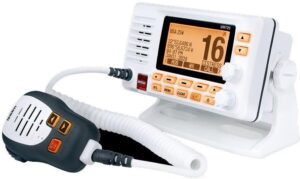
Uniden UM725 Marine VHF Radio, All …
The Uniden UM725 VHF marine comes packed with the latest features, including IPX8 submersible waterproof rating,…
