
Jet Boats: Pros, Cons, and Buying Tips
Jet boats are a distinct class of powerboats that use a water-jet propulsion system instead of a traditional propeller. That creates a very different on-water experience: rapid acceleration, tight maneuvering, and shallow-water access that many recreational and fishing boaters value. Whether you’re evaluating a jet boat as a family day boat, a tow-sports machine, or a fishing platform, understanding the trade-offs up front helps you buy one that fits your needs.
If you’re shopping for parts, accessories, or want to compare models, start with reliable marine retailers that specialize in boating gear and safety. A general resource like US Nautics can help you source the equipment and safety items you’ll need after purchase.
What makes jet boats different?
Jet boats draw water into an intake and force it out through a nozzle, creating thrust. Because there’s no external propeller, jet boats are safer for swimmers, less prone to fouling in vegetation, and able to run in shallower water. They also feel more responsive at low speed and can deliver explosive acceleration, which is why they’re popular for watersports and fast cruising in lakes and coastal waters.
Pros of jet boats
- Shallow-water capability — ideal for rivers, sandbars, and skinny bays.
- Safety — no exposed propeller reduces risk for swimmers and anglers around the transom.
- High maneuverability — tight turning radius and quick reverse via the jet nozzle make handling easy in confined spaces.
- Good for watersports — immediate throttle response gives strong acceleration for towing skiers and tubers.
- Low risk of prop damage — less chance of striking submerged objects compared with an exposed prop.
Small investments in visibility gear improve the ride and reduce fatigue. Consider a quality pair of polarized boating sunglasses to cut glare and protect your eyes when running at speed or scanning shallow water.
Cons of jet boats
Jet boats aren’t perfect for every situation. They tend to be less fuel-efficient at cruise speeds than comparable outboard-driven boats, and top speeds can be lower for heavy loads. They also have higher intake maintenance because debris, weeds, sand, and gravel can damage the pump or wear jet components if not managed. Finally, if you plan to tow heavy wakeboards or need sustained high-speed runs, conventional drives can be more effective.
Performance, handling, and where they shine
Jet boats excel in environments where shallow draft and nimble handling are priorities: sandbar cruising, river runs, and tight marinas. Their thrust-based steering means you should learn the boat’s response characteristics—jet steering feels different from a rudder-and-prop system. For anglers, jet-powered hulls can get you into shallow flats quickly, but plan your fishing layout around stability and gear stowage.
If you intend to fish from a jet boat, think about dedicated fishing gear mounts and storage. Sturdy boat rod holders make it easier to organize lines while trolling or drifting, and they’re useful for securing rods on rough runs.
Maintenance, common issues, and ownership costs
Jet drives require regular inspection of the intake grate, impeller, and wear ring. Sand and rocks accelerate wear—plan on more frequent service if you run in shallow, abrasive environments. Routine costs include pump seal and impeller replacement, intake-clearing, and periodic rebuilds depending on hours and conditions.
For fishing-specific systems, look at the livewell and bait systems you’ll need aboard. A reliable boat livewell pump is a direct replacement item that affects catch survival and convenience, and maintaining these components is part of seasonal upkeep.
Practical buying tips
Deciding which jet boat to buy should be based on how you’ll use it. Ask yourself these core questions: Will you primarily run shallow waters? Is fishing a priority? Do you want a family cruiser or a high-performance tow boat? Match hull size, engine output, and onboard systems to those needs.
- Sea-trial any candidate under realistic loads—bring the family, gear, or tow a test rider if possible.
- Inspect the intake and pump for wear and damage; replace parts documented as serviced.
- Review service records and ownership history—jet drives have distinct service intervals.
- Consider storage and cover options if you trailer or store in harsh climates.
If you plan to clean fish on board or after a day of inshore trips, a dedicated boat fish cleaning table or station will save time and keep the cockpit tidy—factor that into layout choices when inspecting boats.
Accessories and safety for jet boat owners
Gear choices matter for both comfort and functionality. If you fish from your jet boat, a compact marine bait station like the marine bait cutting board gives a small, mountable prep area that fits cramped cockpits. Likewise, carry a reliable landing net—this fishing boat net is compact and robust for inshore work.
Basic safety and emergency items can’t be overlooked. Keep a well-stocked first aid kit on board—this marine first aid kit is a good baseline. Also plan cockpit layout around practical pieces like rod holders and secure stowage so gear doesn’t migrate under hard turns or surfing waves.
Checklist: What to inspect before buying a used jet boat
- Inspect jet intake grate and impeller for dents, dings, or missing chunks.
- Check service records for jet pump maintenance and impeller replacements.
- Sea-trial at different speeds with realistic load; test reverse and tight turns.
- Verify all electrical systems, bilge pumps, and livewell pumps operate correctly.
- Confirm registration/ownership paperwork and check for salvage history.
- Test docking and low-speed maneuvering in shallow water to assess intake cavitation or ventilation issues.
Conclusion
Jet boats are exceptional where shallow draft, safety around swimmers, and tight handling matter. They require specific inspection and maintenance priorities—especially the jet pump and intake. Match the boat to your primary use, factor in ongoing service costs, and equip it with the right accessories and safety gear. With realistic expectations and careful selection, a jet boat can be a highly versatile, fun, and practical choice.
FAQ
- Are jet boats hard to drive? They feel different from prop-driven boats but aren’t inherently harder. Practice initial maneuvers to get used to throttle-based steering and reverse thrust.
- Can jet boats operate in saltwater? Yes, with proper corrosion protection and rinsing after use. Pay attention to service intervals for saltwater use.
- Do jet boats need special maintenance? Yes—inspect the intake, impeller, wear ring, and seals regularly, especially after running in debris or shallow sand.
- Are jet boats good for fishing? They can be excellent for shallow-water fishing; outfit them with compact prep stations, a good net, and rod holders for the best experience. Consider a rod holder and a quality landing net to round out your setup.
- What safety gear should I keep on a jet boat? Standard boating safety gear plus a well-stocked first aid kit and distress signaling devices. A compact first aid kit is smart to keep aboard.
Products Featured in This Article
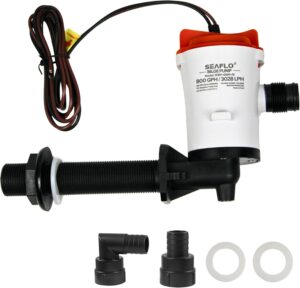
SEAFLO 05 Series 800 GPH Angled Bai…
Product description Keep bait healthy and your catch lively with the SEAFLO 05 Series 800 GPH…
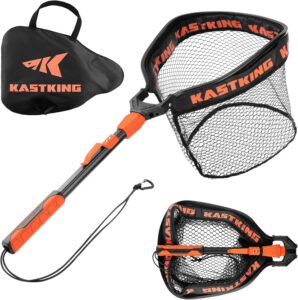
KastKing Titanet Fishing Net, Durab…
Durable & Strong Handle: The KastKing Titanet landing net features a high-quality 6063 aluminum alloy handle…
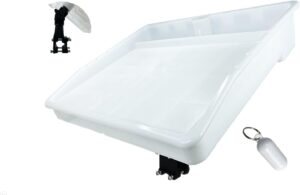
Pactrade Marine Bait Cutting Board …
From the brand Mission of Pactrade Marine Our main goal is to deliver products with the…
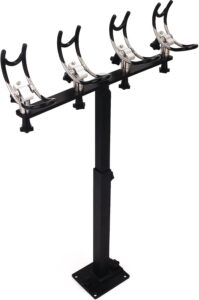
Premium Aluminum Boat Rod Holder &#…
🎣 Elevate Your Fishing Game with Mojiate’s Heavy-Duty Boat Rod Holder! Whether you’re chasing crappie on…
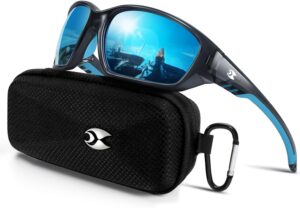
suoso Sports Polarized Sunglasses f…
From the brand suoso Sports Sunglasses SUOSO New Sports Sunglasses [99% UV400 Protection]: SUOSO sports sunglasses…
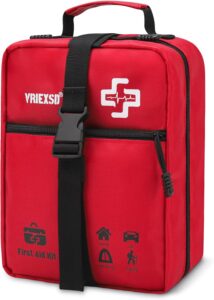
VRIEXSD 400 Piece Large First Aid K…
Product description TRY VRIEXSD FIRST AID KIT VRIEXSD hope that every user can have a calm…
