
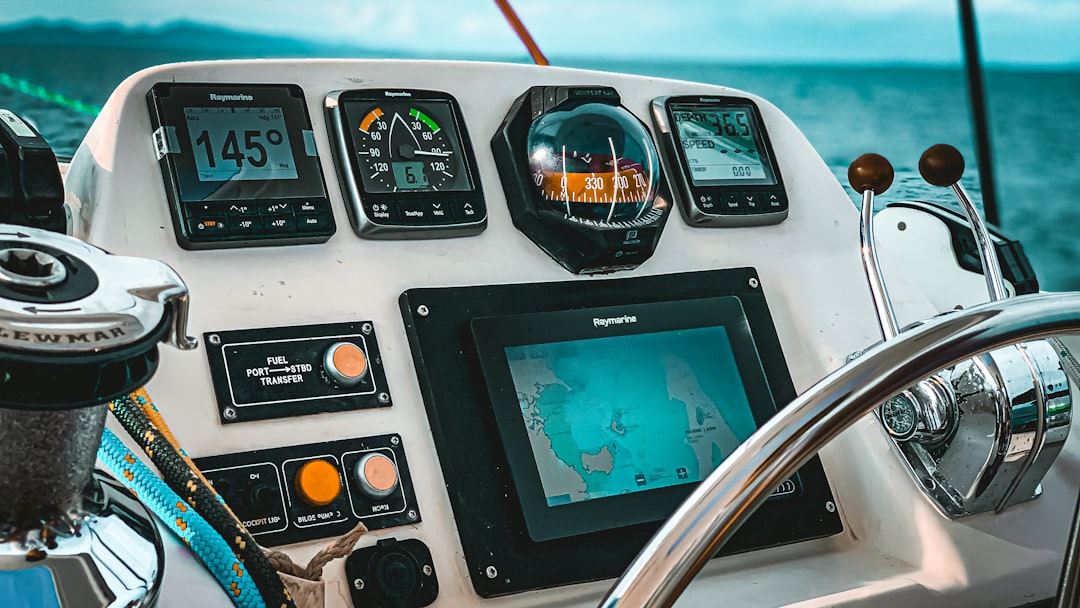
Good marine electronics keep you safe, efficient, and confident on the water. Whether you run a weekend fishing boat, pontoon, or a longer-range cruiser, understanding how core systems work and interact will help you choose the right equipment and avoid costly mistakes.
This guide covers the essentials every boat owner should know: navigation, sonar, comms, power and wiring, lighting, emergency gear, and installation basics. Read through the sections most relevant to your boat and use the checklist to prioritize upgrades or maintenance.
Navigation and Chartplotters
Modern chartplotters combine GPS, maps, and often networking capability to display your route, hazards, and waypoints. When shopping, prioritize screen size and readability, chart compatibility, and whether you need an internal or external GPS antenna. Devices like the Simrad GO9 XSE are an example of a mid-size chartplotter suited for many small-to-mid boats; they provide crisp charting and simple integration with NMEA networks for future upgrades.
Sonar and Fishfinders
Understanding sonar basics—single-beam, dual-beam, CHIRP, and side/ down imaging—will help you pick the right fishfinder. Match transducer type to your hull and fishing depth: transom transducers are standard, while through-hull or trolling motor transducers suit deeper or high-speed setups. If you fish regularly and want portable options, units like the Humminbird PiranhaMAX 4 Fish Finder show how compact, affordable sonar can get you on fish quickly without complex installs.
Communication: VHF Radios & DSC
VHF radios are the core communication tool on the water—use them for routine calls, emergency coordination, and to receive NOAA weather alerts. Select a radio with clear audio, sufficient transmit power (25W for open-water use), and optional DSC capability for automated distress messaging. A unit such as the Uniden UM725 Marine VHF Radio demonstrates features to look for: waterproofing, large display, and integrated weather channels.
Power Management and Charging
Reliable power is the foundation of electronics. Plan battery capacity for cranking, house loads, and peak draws (sound system, fishfinder, lights). Use proper banked charging or multi-bank chargers to maintain several batteries separately and avoid undercharging. A smart charger like the 3 Bank Marine Battery Charger can keep start and house batteries healthy, support different chemistries, and prevent sulfation during long idle periods.
Lighting, Navigation Lights and Search/Utility Lights
LED lighting has transformed onboard illumination—lower power draw, longer life, and cool operation. For cabin courtesy lights, deck strips, and instrument backlighting, choose marine-rated, waterproof fixtures. For search and navigation visibility consider emergency and strobe-capable items as backups. High-visibility emergency lights or strobes like the ACR C-Light™ are compact, battery-friendly units useful as a supplemental personal or vessel light source in low-visibility situations.
Distress Signals and Emergency Electronics
Beyond flares, LED distress signals and personal SOS devices improve daytime and nighttime visibility and increase survival chances. Confirm any device you buy is USCG-approved for your intended use. Portable, combined visual/audible kits such as the Sirius Signal C-1004 SOS LED Distress provide long-duration LED output with convenient mounting and can supplement mandated safety gear.
Entertainment, Audio and Comfort Electronics
Audio systems, courtesy lighting, and convenience outlets enhance enjoyment but add demand to your power budget. Select marine-grade, waterproof speakers and head units that tolerate salt, UV, and vibration. For tower, wakeboard, or open-deck audio look at marine speakers designed for outdoor use—products like the Pyle 2-Way Dual Waterproof Speakers illustrate the robustness needed for wet, salt, and sun exposure.
Wiring, Solar and Installation Basics
Good installation prevents repeated failures. Use marine-grade wiring, tinned copper conductors, proper fusing close to batteries, and heat-shrink ring terminals. Keep cable runs short when possible and protect wires from chafe. If you plan to add solar or shore-power charging, use appropriately sized conductors to avoid voltage drop—bulk solar cable kits like the Vansdon 2x100FT Solar Wire 10AWG are an example of cabling for panel runs and battery integration. Finally, label circuits and keep wiring diagrams with the boat for troubleshooting and resale value.
Checklist: Before You Upgrade or Install
- Inventory existing electronics and note age, model, and power draw.
- Verify mount locations and line-of-sight for antennas and GPS units.
- Confirm battery capacity and health; load-test starting and house banks.
- Select marine-rated components and match connectors (NMEA, BNC, etc.).
- Plan proper fusing, breakers, and cable sizing for each circuit.
- Test radios and emergency lights monthly and replace expired items.
FAQ
- How often should I test my VHF radio? Test it before each trip and perform a full function check monthly, including weather channel reception and DSC if equipped.
- Can I run fishfinder and chartplotter from the same battery? Yes for short outings, but for reliability separate start and house batteries or use a multi-bank charger to avoid draining your starter battery.
- Is professional installation worth the cost? For complex systems (NMEA networks, through-hull transducers, AC shore power), a pro reduces risk of water intrusion, electrical faults, and warranty voiding.
- What maintenance keeps electronics reliable? Rinse exposed equipment with fresh water after salt exposure, check connectors for corrosion, and secure loose wiring; replace batteries and capacitors as recommended by manufacturers.
- Do I need USCG-approved distress lights? Some visual distress devices are required by regulation depending on boat size and area of operation; always meet or exceed legal requirements and carry backups.
Practical takeaway: prioritize safety and power first—reliable comms, clear navigation, and proper battery/charging systems reduce most operational risk. Upgrade incrementally: start with a dependable VHF, chartplotter or GPS, and a smart charger, then add sonar, lighting, and entertainment as your power and mounting allow.
Products Featured in This Article
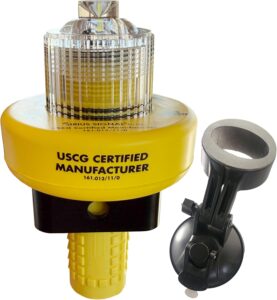
Sirius Signal C-1004 SOS LED Distre…
From the brand Legally Never Buy Flares Again Sirius Signal Electronic Flares fulfill the USCG Day,…
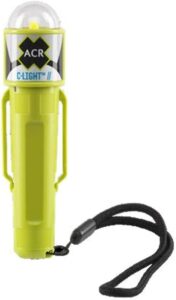
ACR C-Light™
From the brand Satellite Communicators & PLBs EPIRBs & Safety Kits Flares, Lights & Strobes Aviation…
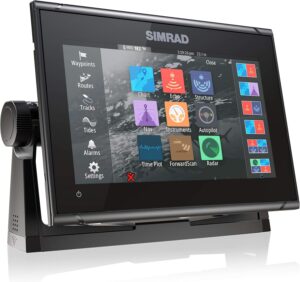
Simrad GO9 XSE – Chartplotter…
MULTIFUNCTION DISPLAY: With GO9, add GPS navigation, sonar support, radar capability, and much more to your…
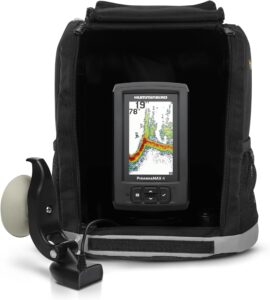
Humminbird PiranhaMAX 4 Fish Finder…
With modern styling and a larger 4.3″ color LCD, the PiranhaMAX™ 4 will give you a…
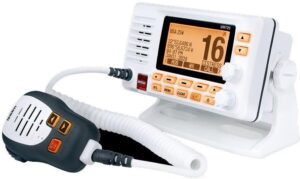
Uniden UM725 Marine VHF Radio, All …
The Uniden UM725 VHF marine comes packed with the latest features, including IPX8 submersible waterproof rating,…
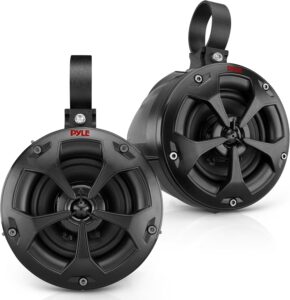
Pyle 2-Way Dual Waterproof Off-Road…
Pyle Model : PLUTV41BK 4″ Marine UTV Off-Road Speakers 4 Waterproof Rated Off-Road Speakers – Compact…
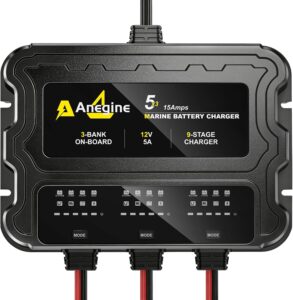
3 Bank Marine Battery Charger, 12V …
Product description 1 Multi-Functional 2 Force Mode 3 Multiple Protection The video showcases the product in…
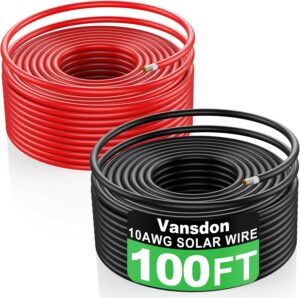
Vansdon 2x100FT Solar Wire 10AWG,…
From the brand IP68 Waterproof Soalr Wire Solar Panel Extension Cable 10AWG/12AWG XT60 Solar Cable 10AWG/12AWG…
