

NADA Boat Values: Beginner Guide for Boat Buyers
Buying a boat is exciting—but confusing. NADA boat values are a key reference that help buyers understand fair market prices for new and used boats. This guide explains what NADA values are, how they’re calculated, and how you can use them to negotiate smarter.
Below you’ll find practical steps for reading NADA listings, adjusting values for condition and equipment, and tips for inspections and negotiating. Use this as a hands-on checklist when you shop so you get a fair deal without surprises.
What are NADA Boat Values?
NADA (National Automobile Dealers Association) publishes price guides for boats similar to vehicle guides. NADA boat values summarize typical retail, trade-in, and private party prices for makes, models, years, and typical equipment. They’re a starting point — not the final sale price — but they provide a data-backed benchmark for comparisons.
Why NADA Matters to Boat Buyers
NADA values are widely used by dealers, lenders, and insurance companies. For buyers they serve three practical purposes: (1) quick appraisal of list prices, (2) a baseline for negotiation, and (3) a reference to check if a boat is under- or overpriced compared to market averages.
How NADA Values are Determined
NADA uses historical sales, dealer input, and regional adjustments. Key factors that change a value include model year, engine hours, hull condition, optional equipment, and local demand. NADA often lists different conditions — like “excellent” or “good” — which map to percentage adjustments from the base value.
Common Upgrades and Accessories That Affect Value
Not all upgrades add equal value. Practical, well-maintained upgrades usually help resale; cosmetic or low-quality add-ons rarely move the NADA number much. Upgrades that buyers commonly value include comfortable seating, durable covers, and purpose-built fishing systems.
For example, on pontoon or leisure boats, premium seating can make the boat more appealing and justify a higher asking price. If you’re shopping pontoons, check options and wear on seats like these: Pontoon Boat Seats.
Careful storage also preserves value. A good cover reduces UV and mildew damage—important on pontoon craft—so note whether the seller includes or uses a quality cover such as those listed under Pontoon Boat Covers.
Fishing Boats: Gear That Can Raise or Lower Value
On fishing boats, the presence and condition of fishing-specific equipment can affect desirability more than NADA adjustments. Functional rod storage, livewell systems, and a tidy cockpit are all positives. If fishing equipment is in good shape it can improve perceived value even if NADA doesn’t assign a large dollar bump.
Inspect the fishing seating and layout — worn or damaged fishing seats reduce comfort and resale appeal. Look at options like Fishing Boat Seats when comparing aftermarket changes or replacements.
Other useful items for anglers include dedicated cleaning and prep stations; a bolted-on cleaning table or cutting board can make a used fishing boat more attractive to the right buyer. Examples are shown here: Boat Fish Cleaning Tables.
Inspection Checklist: Systems that Affect NADA Adjustments
When comparing a listing to a NADA value, check systems that commonly influence condition ratings. Powertrain hours, steering, hull integrity, electrical components, and onboard systems are critical. For fishing boats, test the livewell and pumps to ensure they function under load — a failed pump is both expensive and a sign of poor maintenance. Look for replacement history or test operation of items like Boat Livewell Pumps.
Also confirm trailering gear and access features. Ease of boarding, ladder condition, and trailer interface are common negotiation points. If the seller includes or demonstrates sturdy boarding/trailer access, it reduces post-purchase cost and risk; check products like Boat Trailer Steps for examples of durable trailering/boarding hardware.
How to Use NADA Values When Negotiating
Steps for negotiation:
- Start with the NADA retail or private-party value for the exact year and model and note the condition bracket.
- Adjust for documented issues (engine hours, hull repair, electrical faults) and for desirable upgrades that are in good shape.
- Reference local comparables — search comparable listings in your region to see actual asking prices versus NADA benchmarks.
- Ask for receipts and service history. A well-documented maintenance record often justifies a higher offer; lack of records should be a discount consideration.
Use NADA to justify an offer but be ready to walk away if the seller’s price consistently exceeds condition-adjusted values and local comps.
Safety and Preparedness: Small Items That Matter to Buyers
Safety gear both protects you and signals to buyers that a boat was well kept. Presence of standard safety kit items often correlates with better upkeep and can support a higher price. Inspect life jackets, signaling devices, and first aid supplies. A stocked, recent marine first aid kit is a positive sign for buyers and hull condition—see an example here: Marine First Aid Kits.
Practical Steps to Adjust NADA for Local Market Realities
NADA is a national benchmark, but local demand and seasonality matter. High-demand regions or peak boating seasons can push asking prices above NADA retail; conversely, off-season or oversupply can pull prices lower. When you find a boat, compare similar local listings and recent sold prices where available. Use NADA as an anchor and local comps as the reality check.
For more product resources and gear ideas when preparing to buy or outfit your boat, visit US Nautics to see categories and items that align with condition, comfort, and resale value.
Quick Buyer Checklist
- Get the exact make, model, year, engine hours, and hull ID before checking NADA.
- Compare NADA retail vs private-party values and note the condition tier.
- Inspect hull, engine, electronics, and safety gear in person; test systems when possible.
- Review maintenance records and ask about known issues or recent repairs.
- Adjust value based on real equipment condition (seats, covers, livewell, trailer).
- Negotiate using both NADA and local comparable listings as your evidence.
FAQ
Q: Is NADA the only price guide I should use?
A: No. Use NADA as one trusted benchmark alongside local comps and private listing history to form a complete picture.
Q: What if a boat has aftermarket upgrades—do they increase NADA value?
A: Some upgrades improve buyer appeal but may not linearly increase NADA value. Functional, well-installed upgrades (fresh seats, functional livewells) can justify higher offers; cosmetic or low-quality additions rarely do.
Q: How much should I discount for visible wear?
A: Discounts depend on the issue—small fiberglass gelcoat flaws or upholstery wear are often cosmetic and lower price modestly; engine problems or structural issues require larger adjustments. Use documented repair estimates to support your offer.
Q: Should I get a survey or professional inspection?
A: Yes. A mechanical inspection and hull survey provide objective data that can materially change the negotiated price and uncover hidden costs.
Q: Can safety equipment affect NADA value?
A: Directly, safety gear may not shift NADA numbers much, but a complete, recent safety kit signals responsible ownership and supports asking price. Items like up-to-date first aid kits are small but meaningful.
Q: How do I verify NADA values are current?
A: Use the current year’s NADA listings and cross-check with recent sales and dealer inventories in your region to ensure values reflect present market conditions.
Conclusion: Practical Takeaway
Use NADA boat values as a reliable starting point, then adjust for condition, equipment, and local market reality. Inspect systems, verify maintenance, and justify offers with clear comparisons. With NADA as your benchmark and a focused inspection checklist, you’ll be positioned to make a fair, informed purchase.
Products Featured in This Article
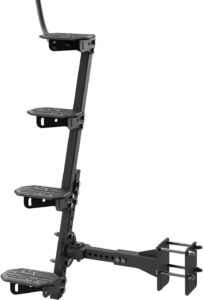
Boat Trailer Steps, Convertible 3 o…
Product description Convertible 3/4-Step: Why choose when you can have both? Our split-pole design lets you…
