Pontoon Boat Rental Guide for Families and Groups
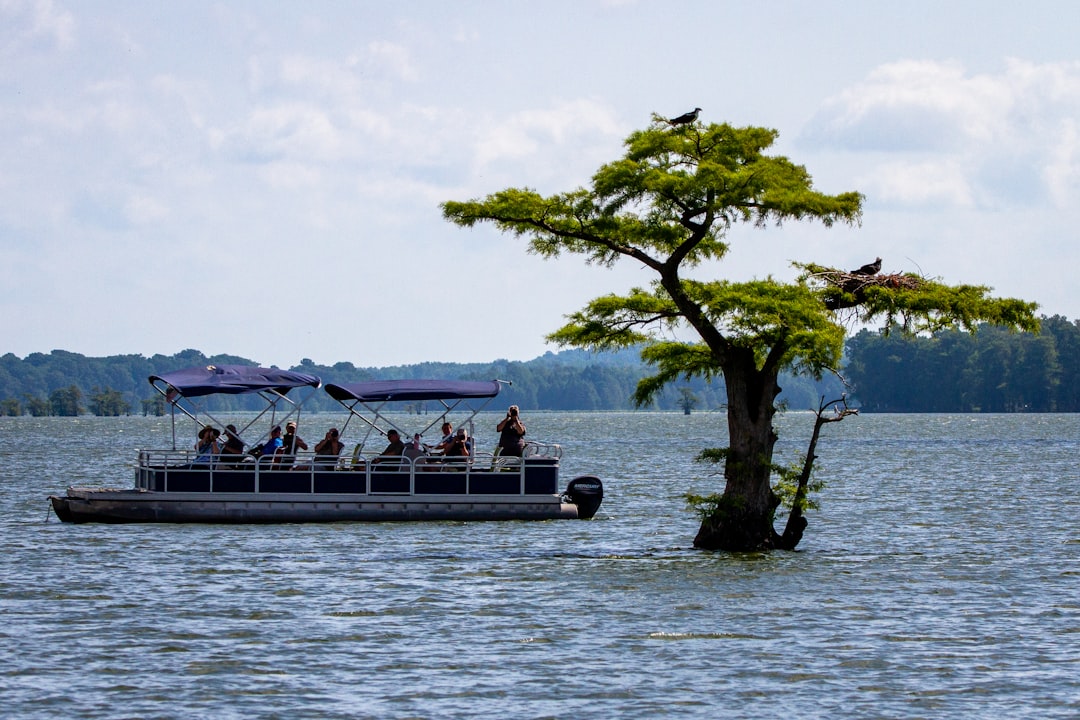
Pontoon boats are an ideal choice when you want a relaxed, social day on the water. They offer stability, open layouts, and straightforward handling that make them friendly for kids, seniors, and mixed-ability groups.
This guide walks you through choosing the right setup, safety essentials, comfort upgrades, fishing tips, boarding and accessibility, night operation, and after-trip tasks so your rental goes smoothly and everyone has fun.
Choose the right pontoon and seating layout
Start by matching capacity to your group size and planned activities. For family days focused on lounging, prioritize roomy benches and flexible seating that let people face each other. For mixed use—fishing and socializing—look for removable or swivel seats and open floor plans.
Check seating options on the pontoon before you book or when you inspect the rental. If you want comfortable options or cushions suitable for long days, consider models with dedicated Pontoon Boat Seats so passengers can relax without crowding the bow or stern.
Safety essentials for families
The most important prep item is properly sized life jackets for every passenger. Rentals may include them, but verify US Coast Guard–approved options for infants, toddlers and older children. Keep jackets accessible rather than tucked away in storage.
For families with small kids, have the right-size PFDs on board and known to fit—check the rental’s inventory or request specific Kids Boat Life Jackets if the company can provide them. Fit and comfort are critical so kids won’t remove them while moving around.
Boarding, access, and mobility
Loading and unloading can be the trickiest moments for young children and older adults. Confirm the rental has safe, sturdy boarding aids at the dock or on the boat itself. A stable boarding setup reduces slips and anxiety during transfers.
If you’ll have frequent water entries for swimming, ask whether the pontoon includes or supports removable steps or a ladder. Rental operators that supply reliable Boat Boarding Steps make coming and going from the water much safer for everyone.
Comfort and on-deck organization
Think through shade, dry storage, and a simple traffic pattern so people can move without crossing grills, coolers, or gear. Bring a soft cooler that fits under a bench, and use non-slip footwear to prevent accidental slips on wet decks.
Reserve one seating area for quiet or shade time and another for active play or dining. Small layout decisions—like assigning the bow for kids’ play and the stern for adult conversation—help avoid collisions and keep habits predictable on board.
Fishing from a pontoon: basics for groups
Pontoons are surprisingly good fishing platforms, but they benefit from a few focused accessories. If you expect any anglers in your group, confirm the rental either includes or accommodates additional gear without cluttering communal spaces.
Ask about available fishing add-ons and storage solutions in advance. Rental companies that offer organized Fishing Boat Accessories can simplify lines, tackle, and rod management so fishing remains a shared activity rather than a tripping hazard.
Rod management and tackle organization
Even with casual fishing, secure rod locations are important. Portable rod mounts and rail clamps keep rods clear of walkways and prevent lost gear when the boat moves or when people stand up quickly.
If your group will be fishing, request or bring dedicated holders rather than leaning rods against seats. Robust Boat Rod Holders reduce tangles and free up hands for supervising kids or setting up a meal.
Packing, tackle storage, and post-catch tasks
Plan for tidy storage so dry items don’t get wet and kids can still find snacks. Use waterproof bags for phones and wallets. For anglers, stow lures and terminal tackle in designated bins to avoid scattered hooks and split rings around seating areas.
If you need compact, waterproof organization while on board, look for proven Marine Tackle Storage options. They make it easy to keep sharp items contained and accessible without taking over benches.
Cleaning fish and after-activity prep
If your group plans to clean fish aboard or at the dock, have a designated surface and rinsing plan. Cleaning stations should be downwind from seating and include waste containment to keep the boat sanitary for the rest of the group.
When cleaning is part of the plan, confirm whether the rental or marina provides a prep surface. Portable Boat Fish Cleaning Tables are a practical option to avoid using passenger benches for messy tasks.
Night and low-light operation
If your trip will extend toward dusk or night, equip the boat with adequate lighting and navigation aids. Low-profile deck lights improve safety for movement and boarding without spoiling the ambiance of an evening cruise.
Request or bring energy-efficient lighting so pathways and boarding areas remain visible. Reliable Marine Deck Lights help prevent trips and make returning to the dock safer when visibility drops.
Small checklist before you launch
- Confirm passenger capacity and seating layout; inspect Pontoon Boat Seats for comfort and condition.
- Verify life jackets for every passenger, especially children (Kids Boat Life Jackets).
- Pack a basic first-aid kit and emergency signaling device; keep them accessible.
- Secure rods and tackle in holders and storage to prevent tripping (Boat Rod Holders and Marine Tackle Storage).
- Confirm boarding aids and ladders are in place (Boat Boarding Steps).
- If fishing, bring or request a cleaning table for on-site prep (Boat Fish Cleaning Tables).
- Pack water, sunscreen, polarized sunglasses, and a small dry bag for phones.
FAQ
- How many people can a pontoon safely hold?
Check the capacity plate on the boat or the rental description. It lists maximum people/weight—never exceed it. Distribute passengers evenly to maintain trim and stability.
- Do rentals provide life jackets for children?
Some do; many will if you request them. Confirm sizes and availability ahead of time to avoid surprises at pickup.
- Can you fish from a rented pontoon?
Yes, most pontoons allow fishing, but check whether rod holders, livewell space, or cleaning facilities are provided. Ask the operator about allowed gear and cleaning rules.
- What should I do if someone falls overboard?
Keep the person in sight, throw a flotation device, stop the boat, and slowly approach from downwind or into the current if possible. Use a calm, practiced recovery technique—avoid panic.
- Is camping or overnighting allowed on rented pontoons?
Most day rentals prohibit overnight use. Confirm with the rental company and marina rules before planning extended trips.
Conclusion
With a little planning—confirming seating, life jackets, boarding aids, organized fishing gear, and lighting—you’ll maximize safety and enjoyment for families and groups. Use the checklist to prep before you launch and communicate roles on board so everyone knows where to sit, who watches the kids, and who manages gear. A well-organized pontoon day creates space for relaxed social time and safe adventures on the water.
