Pontoon Boats for Sale: Complete Beginner Buying Guide
Pontoon boats are one of the most accessible ways to enjoy lakes, rivers, and calm coastal waters. Their stable platform, roomy layouts, and low learning curve make them ideal for families, anglers, and anyone who values comfort and social time on the water.
This guide walks a beginner through the essentials you should evaluate when shopping for a pontoon—size, motor, layout, safety, accessories, and ongoing ownership costs—so you can buy with confidence and avoid common pitfalls.
How pontoon boats differ from other small boats
Pontoons use two or three aluminum tubes (pontoons or “tubes”) to float a wide deck. That design gives them excellent stability, shallow draft, and large usable space. Compared to runabouts or center consoles they’re slower but more comfortable and versatile—great for social cruising, fishing, and watersports at moderate speeds.
Choosing the right size and layout
Pick a size and floorplan based on how you plan to use the boat. Key considerations:
- Passengers: Count usual outing size and add space for guests (3–4 sq ft per person as a rough guide).
- Activities: Fishing needs open bow or dedicated casting areas; waterskiing needs a tow point and enough engine power.
- Storage: Look for integrated lockers, under-seat storage, and easy access to fuel and batteries.
Measure your trailer capacity and storage space at home before you buy; a longer pontoon needs a bigger trailer and more secure storage options.
Engines, performance, and fuel
Outboard horsepower largely determines acceleration, top speed, and ability to plane. For typical cruising and family use, 30–90 HP is common; for towing or larger pontoons you’ll want 115 HP or more. Consider fuel capacity and the real-world fuel burn at cruising speed rather than the theoretical maximum range.
Maintenance and service access are important: choose an engine with local dealer support and make sure the boat’s bracket and lift points are compatible with the outboard you plan to install.
Seating, comfort and deck materials
Comfort is a major reason buyers choose pontoons. Inspect seat construction, foam density, and fastening. Modular seating allows flexible arrangements for entertaining or fishing. If upgrading or replacing cushions is likely, check available aftermarket options to avoid long lead times.
For solid seat choices and replacements consider category suppliers that specialize in pontoon seating: Pontoon Boat Seats.
Fishing features and accessories
If fishing is a priority, look for a layout with a dedicated casting deck, built-in livewells, and rod storage. Consider factory or aftermarket rod holders, which make trolling and line management easier and safer on a party-style deck.
For reliable mounting and organization options, check available rod holder selections: Boat Rod Holders.
Safety, required equipment, and legal needs
Safety gear should be a top-line item in your budget and inspection checklist. Required items typically include USCG-approved life jackets, sound signaling devices, and navigation lights. For everyday comfort and quick response, carry a throwable flotation device and a manual inflatable that’s easy to stow and inflate if needed.
An accessible, compact option for adult use is the manual inflatable model: Manual Inflatable Life Jacket.
Anchoring, mooring and on-the-water handling
A good anchor system lets you fish or relax without drifting. For sand and rock bottoms common to lakes and coastal coves, a fluke-style anchor with a retrievable shaft works well and stores compactly on a pontoon.
Compact, purpose-built anchors are ideal on pontoons; one solid example to consider is the SandShark fluke anchor that’s designed for easy storage and reliable holding: SandShark Premium Fluke Anchor.
Docking hardware and tie-downs
Easy, damage-free docking requires the right rope and cleat setup. Use doubled, abrasion-resistant dock lines sized appropriately for the boat’s weight and expected conditions. Quality stainless cleats provide secure tie points and reduce wear on lines.
Stock up on durable mooring lines such as these double-braided dock ropes: Boat Dock Lines, and fit rugged, marine-grade cleats for reliable docking: Boat Cleat.
Storage, covers and winterizing
How and where you store the boat will affect its lifespan. For outdoor storage, a well-fitted cover protects upholstery, electronics, and deck finishes from UV and moisture. Look for covers that match your pontoon’s length, rail profile, and have reinforced straps and vents to reduce condensation.
Quality pontoon covers and storage accessories simplify off-season care: Pontoon Boat Covers are worth considering when budgeting storage solutions.
Electronics, lighting and creature comforts
Pontoons benefit from courtesy lighting, stereo systems, and practical LED strips for boarding and night use. Low-power, waterproof LED strips make it possible to add useful illumination without heavy rewiring.
Consider marine-rated interior lighting kits like the PSEQT LED boat lights for reliable deck and compartment illumination: PSEQT LED Boat Interior Lights.
Ownership costs and maintenance expectations
Budget beyond the sticker price: insurance, trailer and trailer maintenance, engine service, winterization, fuel, and periodic reupholstery should be included in your annual cost estimate. Regular washing, anodes replacement, and scheduled engine servicing will keep running costs predictable and protect resale value.
Buying checklist
- Confirm maximum capacity plate and ensure planned usage fits capacity.
- Inspect pontoons for dents, corrosion, and signs of internal water—tap and listen for hollowness.
- Check engine hours/service records and run the motor in-water or on a test tank.
- Test electronics, bilge pumps, navigation lights, and battery condition.
- Verify trailer condition: lights, winch, rollers, brakes, and tie-downs.
- Review required safety gear and have USCG-required items on board before first outing.
Conclusion — practical takeaway
Buy the best layout and condition you can afford rather than chasing top speed or brand name. Prioritize structural condition (tubes and deck), engine service history, and the layout that matches your primary use. With the right choices on seating, safety gear, anchoring, and covers, a pontoon will deliver relaxed, reliable fun for years.
FAQ
- Q: How much horsepower do I need for a pontoon?
A: For casual cruising and family use 30–90 HP is typical; larger pontoons and watersports need 115+ HP—match engine to boat weight and intended activity. - Q: Are pontoon boats good for fishing?
A: Yes—many pontoons have fishing-specific layouts with casting decks, livewells, and rod holders; add accessories if the boat lacks factory features. - Q: What maintenance matters most?
A: Regular hull/tube inspection, anode checks, engine servicing, battery care, and protecting upholstery with a cover are the high-impact items. - Q: Can a pontoon handle rough water?
A: Pontoons are best in calm to moderate conditions; large waves and strong surf are unsafe for most pontoon designs—choose protected waters for regular use. - Q: Should I buy new or used?
A: New gives warranty and custom options; used can be economical if you confirm structural and engine condition and get a thorough inspection.
Products Featured in This Article
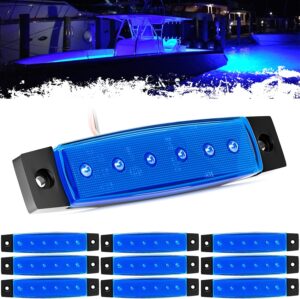
PSEQT LED Boat Interior Lights Mari…
From the brand PSEQT design and production the best Auto & Boat Accessories.We provide —LED boat…
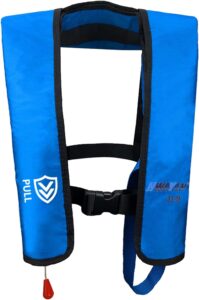
Manual Inflatable Life Jacket | Inf…
Manual Inflatable Life Jacket for Adults Stay safe & comfortable with our inflatable life jackets for…
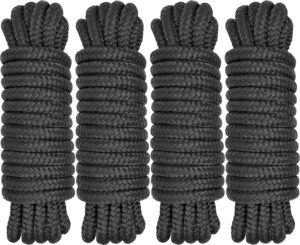
Boat Dock Lines 1/2″ x 15R…
From the brand Shop 1/2 Inch Boat Dock Lines Shop 5/8 Inch Boat Dock Lines Shop…
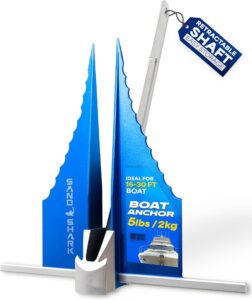
SandShark Premium Fluke Anchor-Retr…
From the brand How did we get our start? SandShark is a family owned, US based…
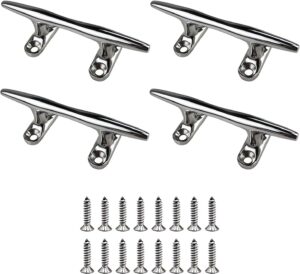
Boat Cleat, 4″/5″/6R…
Boat Cleat,2 PACK 4 inch Marine Grade 316 Stainless Steel Open Base Dock Cleat Rope Cleat…
