Introduction
Sailboats open a world of quiet, efficient travel on the water—but they can be confusing for beginners. This guide breaks down common types, typical uses, and the essential gear you’ll need to start sailing confidently.
For gear and parts that suit small sailboats through cruising yachts, check resources from US Nautics as you plan and outfit your boat.
Types of Sailboats: Basic categories
Understanding hull and rig types helps you match a boat to your goals. Common categories include:
- Daysailers — Small (15–25 ft), simple rigs, ideal for beginners learning points of sail and boat handling.
- Keelboats / Cruisers — 25–45+ ft, fixed keel, more comfortable for overnight trips and coastal cruising.
- Trailerable sailboats — Smaller keel or swing-keel designs that you can tow and launch at ramps.
- Performance / Racing boats — Lightweight hulls and high-aspect rigs focused on speed and handling.
- Catamarans — Two hulls for stability and speed; require different docking and handling practices.
Common Uses: Where people sail and why
Match the boat type to your use case:
- Day sailing: short outings with minimal gear, prefer small, responsive boats.
- Cruising: multi-day trips with more storage, galley, and comfort features.
If you plan on spending long days or weekends aboard, prioritize sun protection like sailing hats to reduce sunburn and heat stress.
Essential Gear: Sails, rigging, and on-deck equipment
Beginners should focus on a short list of reliable gear:
- Main and jib/genoa in good condition; reefing points for heavy winds.
- Standing rigging inspection—shrouds, stays, turnbuckles; replace corroded fittings.
- Running rigging—sheets, halyards, blocks, clutches sized correctly for rope loads.
- Anchoring system sized to boat and bottom type, with appropriate rode and chain.
- Winches and cleats that are serviced and operate smoothly.
For mooring and tie-up, replace old lines with proper braided lines—quality boat dock lines make docking easier and safer.
Safety Gear: Non-negotiable equipment
Safety equipment is mandatory for all sailboats and should be checked before each departure:
- Personal flotation devices (PFDs) sized for every person; for low-profile options, consider manual inflatable life jackets where appropriate and legal.
- Visual and audible distress signals, flares, and a horn or whistle.
- Marine first aid kit, stocked and stowed in a dry accessible location—see recommended marine first aid kits.
- Fire extinguisher, bilge pumps, and redundancy for critical systems.
Clothing & Personal Gear: Practical items that improve comfort and safety
Proper clothing reduces fatigue and keeps you safe on deck. Essentials include layered, quick-dry clothing, non-skid shoes, and gloves.
If you’ll handle lines frequently, add protective gear like boating gloves to prevent rope burns and improve grip. For glare reduction and eye protection, quality boating sunglasses are a small investment with big returns on visibility and comfort.
Deck, Lighting, and Electronics
Good visibility and dependable electronics matter on every sailboat. Install navigation lights, cabin lighting, and reliable deck lights so you can work safely at dawn, dusk, or night. Low-power LED systems are common and easy to install—consider dedicated marine deck lights for step and cockpit illumination.
Basic electronics to consider: a VHF radio, GPS/chartplotter, depth sounder, and a battery monitor. Keep wiring neat and protected from chafe and moisture.
Maintenance and Storage: Keep your boat ready
Routine maintenance ensures safety and preserves resale value. Key tasks include:
- Inspect and replace standing and running rigging as needed.
- Service winches annually—clean, lube, and check pawls and springs.
- Check hull for blisters, gelcoat cracks, and keel bolts if applicable.
- Store sails dry and folded or on a dedicated sail bag to avoid mildew.
Off-season storage strategies vary by location; clean lines and sails, top up batteries, and use proper chafe protection on mooring gear. Quality lines and proper storage make launching and trailering easier and reduce surprises at the ramp.
Choosing Your First Sailboat: Practical decision factors
When evaluating boats, focus on these factors:
- Intended use: daysailing, coastal cruising, racing, or liveaboard.
- Budget for purchase plus annual operating costs (insurance, slip, maintenance).
- Ease of handling: look for manageable sail area, reefing, and simple controls.
- Trailerability if you want to explore multiple sailing areas without a slip.
- Availability of spares and a local support network for systems and sails.
Try renting or crewing before buying to confirm what suits your preferences and skill level.
Quick Checklist for Beginner Sailors
- Personal PFDs for every person aboard
- VHF radio and visual distress signals
- Basic tool kit, spare hardware, and shackles
- Working navigation and anchor lights
- Sun protection: hat, sunglasses, sunscreen
- Charged batteries and bilge pump checks
- Serviceable lines, winches, and inspected rigging
- Marine first aid kit and emergency plan
FAQ
Q: What size sailboat is best for a beginner?
A: For most beginners, 20–30 ft keelboats strike the best balance between stability, space, and manageability. Daysailers under 25 ft are great for learning handling and sail trim.
Q: Do I need special training before taking friends out?
A: Yes—basic seamanship, man-overboard procedures, navigation basics, and VHF use are essential. Take a certified daysailing course or learn from an experienced skipper.
Q: What type of PFD is recommended for sailing?
A: Choose a PFD appropriate for the activity and waters. Inflatable PFDs provide comfort and mobility for experienced sailors in calmer waters, but ensure they meet legal and safety requirements and are suitable for your crew.
Q: How often should rigging and sails be inspected?
A: Do a visual rig and sail check before every outing. Have a professional inspection at least annually, or sooner if you sail frequently or in harsh conditions.
Q: Is electronic navigation necessary for beginners?
A: Basic paper charts and compass skills are important, but a simple GPS/chartplotter and VHF significantly increase safety and situational awareness—especially in unfamiliar waters.
Conclusion
Start with a clear idea of how you want to use a sailboat, prioritize safety and basic handling skills, and invest in a few quality items that improve comfort and safety. A manageable first boat, regular maintenance, and the right gear—like gloves, hats, sunglasses, good deck lighting, and reliable dock lines—will make learning to sail safer and more enjoyable. Plan, train, and equip wisely, and you’ll be sailing confidently sooner than you expect.
Products Featured in This Article
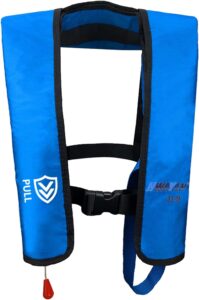
Manual Inflatable Life Jacket | Inf…
Manual Inflatable Life Jacket for Adults Stay safe & comfortable with our inflatable life jackets for…
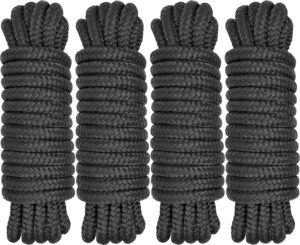
Boat Dock Lines 1/2″ x 15R…
From the brand Shop 1/2 Inch Boat Dock Lines Shop 5/8 Inch Boat Dock Lines Shop…
