

Sailing Basics: Beginner Tips Before Your First Trip
Heading out for your first sail is exciting, but preparation separates a memorable trip from a stressful one. Start with a clear pre-departure routine and the right basic gear so you can focus on learning and enjoying the water.
For a quick place to browse gear and categories as you get ready, check the main selection at US Nautics to find items that match the checklist below.
Know Your Boat: Pre-Departure Checks
Before you cast off, walk the boat from stem to stern. Confirm that the hull, through-hulls (if applicable), and deck hardware are secure. Verify fuel and battery levels, test the bilge pump, and make sure the throttle and steering respond smoothly. On a sailboat specifically, visually inspect the mast, standing rigging and spreaders for corrosion or broken strands.
Essential Safety Gear
Everyone on board must have an appropriate life jacket and understand how to use it. For compact, reliable adult options that save space and pack well on smaller boats, consider an inflating design like those in the Inflatable Boat Life Jackets category—just make sure they’re approved for your type of boating and fitted correctly.
First Aid & Basic Medical Supplies
Minor cuts, seasickness, or a strained muscle can ruin a day if you’re not ready. Carry a well-stocked first aid kit tailored for marine use and know where it’s stored. A dedicated marine kit includes waterproof packaging and supplies for common boating incidents—browse practical options like the Marine First Aid Kits.
Emergency Signals & Fire Safety
Being able to attract attention and respond to onboard emergencies is non-negotiable. Pack visual and audible distress options and familiarize yourself with them. For a compact, approved combination of visual and audible tools designed for boats, see the selection under Boat Emergency Signal Kits. Also keep a small marine-rated fire extinguisher accessible and checked for service life and pressure.
Navigation & Communication Basics
Even on short coastal or inland sails, you need reliable ways to get weather updates and call for help. A VHF radio with DSC and NOAA weather capability is the most practical choice for most recreational sailors. Choose a model that is easy to mount and operate from the cockpit; dedicated marine radios such as the Uniden UM725 Marine VHF Radio are examples of radios that combine range with weather alert functions.
Docking and Anchoring Basics
Approaching a dock and setting a short-term anchor are two maneuvers you’ll use frequently. Use conservative speed, communicate crew roles, and have fenders and lines ready. For durable docking lines sized for small to medium recreational boats, consider a quality option like the Boat Dock Lines 1/2″ x 15′—they balance strength and flexibility for easy handling.
Mooring Hardware and Small Gear
Basic hardware—cleats, chafe guards, shackles—matters. Learn how to tie a cleat hitch and make a proper figure-eight with a spring line. If you need replacement or upgrade hardware for docking, a reliable stainless cleat is a smart investment; see sturdy options like the Boat Cleat product for long-term corrosion resistance.
Handling Sails and Rigging Basics
On your first sail, practice simple sail trim and learn how to reef or drop sails safely. Keep halyards and sheets clear of winches and clutches, and never stand in the boom’s path. When replacing or upgrading fittings, use marine-grade parts intended for sails and standing rigging—check items categorized under Sailboat Hardware to match material specs and load ratings.
Practical On-Boat Tips for Comfort and Safety
Keep footwear with good grip, sunscreen, and a water-resistant bag for phones and charts. Assign roles before maneuvers (helm, lines, fender manager) and rehearse them in calm conditions. Keep a short list of emergency contacts and the boat’s key information (registration, engine model, sail plan) accessible to the skipper. Teach basic man-overboard procedures and have a throwable flotation device within reach.
FAQ
- Do I need special training before my first sail? No formal certification is required for short recreational sails, but take a basic course or sail with an experienced skipper for your first few outings.
- What should I wear? Non-slip shoes, layered clothing, and a waterproof wind layer are best; bring sunglasses and head protection for sun and spray.
- How many life jackets do I need onboard? One Coast Guard–approved PFD per person, plus at least one throwable device for most recreational boats.
- What weather stops a beginner from going out? Avoid strong sustained winds, short-period chop, and any conditions beyond your comfort or skill level—if the forecast shows squalls or gale warnings, stay ashore.
- How do I handle seasickness? Try to stay on deck, face forward, hydrate, and use over-the-counter remedies as needed; plan to test treatments before a long trip.
Quick Pre-Departure Checklist
- Check fuel, battery, bilge pump, and engine start-up.
- Verify that each person has a fitted life jacket.
- Confirm VHF radio and emergency signals are functional.
- Secure loose gear and stowable items; close hatches.
- Brief crew on roles for docking and man-overboard.
- Pack a small marine first aid kit and sun protection.
- Have lines and fenders ready for approach; test cleats.
Conclusion
Preparation and simple habits make sailing safer and more enjoyable. Use a consistent pre-departure routine, carry basic safety and communication gear, and practice maneuvers in calm conditions. Start small, build skills, and add equipment as you grow more confident on the water.
Products Featured in This Article
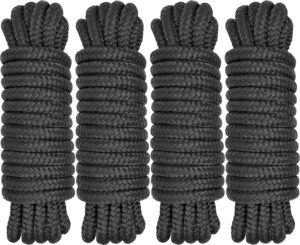
Boat Dock Lines 1/2″ x 15R…
From the brand Shop 1/2 Inch Boat Dock Lines Shop 5/8 Inch Boat Dock Lines Shop…
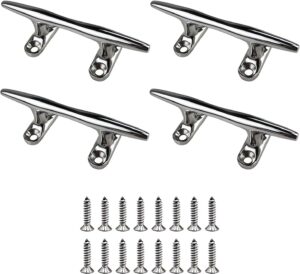
Boat Cleat, 4″/5″/6R…
Boat Cleat,2 PACK 4 inch Marine Grade 316 Stainless Steel Open Base Dock Cleat Rope Cleat…
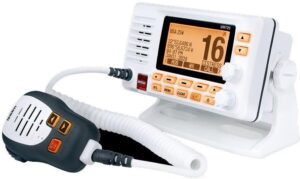
Uniden UM725 Marine VHF Radio, All …
The Uniden UM725 VHF marine comes packed with the latest features, including IPX8 submersible waterproof rating,…
