Seasonal Boating Maintenance Checklist for American Waters
Getting your boat ready for the season keeps you safe, reduces repair costs, and maximizes time on the water. This guide focuses on practical, region-aware maintenance steps for American waters—freshwater lakes, coastal bays, and open ocean conditions.
If you need parts or accessories while you work through this checklist, browse US Nautics for a range of boating gear and supplies.
1. Pre-season hull and dock hardware inspection
Start with a visual and hands-on inspection of the hull, fittings, and dock hardware. Look for hairline cracks, blisters, or soft spots in fiberglass; gouges or corrosion on aluminum; and punctures or delamination on inflatables. Tighten loose fasteners and test every through-hull fitting for leaks.
Inspect docking gear and mooring lines for chafe and UV degradation. Replace frayed lines and check cleats, chocks, and dock hardware for secure mounting. If you need reliable mooring lines, consider upgrading to heavy-duty options like Boat Dock Lines 1/2″ x 15′ Double Braided Nylon (4-pack).
2. Engine, fuel system, and prop checks
Run a full engine inspection: change oil and filters, inspect belts and hoses, replace spark plugs as needed, and service the cooling system. Drain any water separators and replace fuel filters. For boats kept on trailers, check the engine tilt/trim operation and lubricate moving parts.
Inspect the propeller for dings and straighten any bent blades. While you service the engine, verify the bilge pump operation and test float switches. Replace anodes if they are more than 50% consumed to protect driveline components.
3. Electronics and batteries
Check battery condition—clean terminals, secure hold-downs, and test under load. Replace batteries older than 4–5 years or that fail voltage/load tests. Test charging systems at idle and under load to ensure reliable starts and electronics operation.
Update charts and software on navigation devices and test the sounder and GPS fixes. If you’re upgrading or replacing chartplotter equipment, shop tech like the Simrad GO9 XSE Chartplotter to improve route planning and situational awareness.
4. Communications and safety electronics
Test all communications equipment and replace older antennas and coax if reception is poor. A reliable VHF with NOAA weather channels and proper antenna height increases safety in coastal and offshore waters. Consider a unit like the Uniden UM725 Marine VHF Radio for clearer reception and extended range.
Inspect batteries powering emergency electronics and replace or recharge as needed. Check handheld VHF and personal locator beacons annually and ensure distress strobe lights have fresh batteries and are water-tight.
5. Safety gear and required inspections
Conduct a complete inventory of required safety equipment: life jackets in serviceable condition, visual distress signals, sound-producing devices, a functioning bilge pump, and a fire extinguisher rated for marine use. Replace or service expired items.
Marine-grade fire protection is critical—verify the presence and charge of your fire extinguisher(s) and consider updating to certified options listed under Marine Fire Extinguishers. Keep a handheld VHF and an emergency signal kit on board for redundancy.
6. Hull cleaning, anti-fouling and covers
Remove barnacles and slime growth thoroughly; for boats that remain in the water, apply or refresh anti-fouling paint according to manufacturer guidelines and local regulations. For freshwater boats, pressure-wash and inspect lower units for plant growth or invasion.
Protect upholstery and electronics during storage with properly fitted covers. For pontoon owners, investing in custom covers can prevent UV damage and moisture buildup—see the selection at Pontoon Boat Covers.
7. Comfort, organization and fishing gear
Small upgrades improve long days on the water: secure loose seating, inspect cushions and seams, and replace foam if it’s waterlogged. If your seating is worn, review options such as Pontoon Boat Seats to restore comfort and safety.
Organize tackle, lines, and tools for quick access. If fishing is part of your season plan, check rod holders, livewell pumps, and storage compartments for leaks, and restock first aid and emergency supplies.
8. Seasonal checklist — quick actions before launch
- Inspect and replace worn mooring lines and dock hardware.
- Change engine oil and filters; test cooling system and anodes.
- Test batteries, charging systems, and navigation electronics.
- Confirm VHF operation and safety electronics (EPIRB, AIS, strobe lights).
- Verify all required safety gear and fire extinguisher status.
- Check and install proper anchors and rode; a dependable option is Boat Anchor Rope 3/8 inch 50ft.
- Clean hull, inspect propeller, and apply anti-fouling if required.
- Protect upholstery and electronics with covers; air out enclosed spaces after storage.
Checklist: Quick reference
- Hull: no cracks, blisters, or major corrosion.
- Engine: oil, filters, belts, hoses, anodes checked.
- Safety: PFDs, extinguisher, signals, first aid packed.
- Electronics: batteries charged, VHF and GPS tested.
- Docking: lines, cleats, fenders in good condition.
Before you cast off, walk through this checklist with a partner. A final safety brief for crew and a quick test of critical systems at idle will catch last-minute issues.
Conclusion
Seasonal maintenance is a set of manageable tasks that prevents failures, reduces costs, and keeps your boating season uninterrupted. Prioritize safety items, verify navigation and communication equipment, and address hull and mooring issues early. A disciplined pre-launch routine saves time and stress on the water.
FAQ
Q: How often should I change my boat’s engine oil?
A: For gasoline outboards, change oil and filter at least annually or every 100 hours of operation—whichever comes first. Diesel and stern drives follow manufacturer schedules.
Q: When should I replace life jackets?
A: Replace PFDs if straps are damaged, foam is compressed or waterlogged, or buckles fail. Inspect annually and store dry, away from direct sunlight.
Q: How do I know if my battery needs replacing?
A: A battery that won’t hold charge, shows physical damage, or is more than 4–5 years old should be tested and likely replaced. Perform load testing before season start.
Q: What maintenance is unique to saltwater boats?
A: Saltwater demands more frequent rinsing, sacrificial anode checks, corrosion inspections of metal fittings, and more aggressive anti-fouling measures.
Q: Do I need a VHF if I have a cell phone?
A: Yes. Cell coverage is unreliable offshore; VHF provides immediate, boat-to-boat and coast guard communication with weather alerts and emergency channels.
Q: How often should I inspect my trailer?
A: Before each launch season and before every long tow: check straps, bearings, tires, lights, and winch operation.
Products Featured in This Article
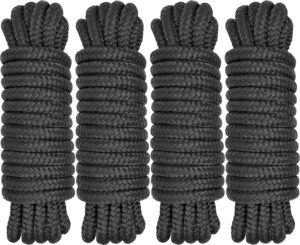
Boat Dock Lines 1/2″ x 15R…
From the brand Shop 1/2 Inch Boat Dock Lines Shop 5/8 Inch Boat Dock Lines Shop…
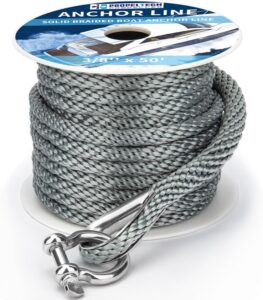
Boat Anchor Rope 3/8 inch 50ft Prem…
From the brand Anchor line and propeller Dock line and propeller Dock line and propeller 1.[…
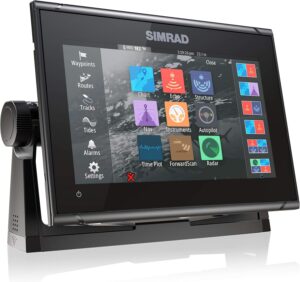
Simrad GO9 XSE – Chartplotter…
MULTIFUNCTION DISPLAY: With GO9, add GPS navigation, sonar support, radar capability, and much more to your…
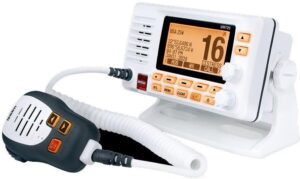
Uniden UM725 Marine VHF Radio, All …
The Uniden UM725 VHF marine comes packed with the latest features, including IPX8 submersible waterproof rating,…
