
What to Pack for a Safe and Comfortable Boating Trip
Preparing for a day on the water means balancing safety, comfort, and functionality. Pack too little and you risk discomfort or an emergency becoming serious; pack too much and you clutter valuable deck space. This guide focuses on practical items and packing strategies to keep your boat organized and your trip enjoyable.
Below are clear sections covering safety gear, navigation essentials, comfort items, fishing and cleaning tools, boarding aids, routine maintenance supplies, and organization tips. Use the checklist and FAQ to make sure you don’t forget anything important before you cast off.
Safety Essentials
Your first priority is safety equipment that’s accessible and in good condition. Start with a dedicated safety kit that contains basic items: personal flotation devices for everyone on board, a well-stocked first aid kit, an emergency whistle, and a waterproof flashlight. For a one-stop look at purpose-built options, consider browsing yacht safety gear selections so you can outfit your boat to meet practical needs and regulations.
Navigation and Distress Signaling
Even on short trips, you should be ready to signal for help and confirm your position. Have a charged VHF radio or a reliable phone in a waterproof case, and pack visual/audible signaling devices. Modern electronic distress lights or flares provide long-lasting visibility without the hazards of pyrotechnics; a compact option is an electronic distress flares that are waterproof and easy to deploy.
Night and Low-Visibility Operations
If you expect to be on the water near dusk or after dark, proper lighting helps with safety and comfort. Use deck and courtesy lights to illuminate walking areas and workspaces, and keep spare bulbs or LED strips on hand. Quality marine deck lights improve visibility without glare and make boarding safer for everyone.
Fishing Gear and On-Deck Storage
For anglers, pack gear that stays secure and organized to prevent tripping hazards. Rod holders free your hands and keep rods stable while you maneuver the boat—mount them where lines won’t tangle. Consider hard-mount or rail-clamp options from the boat rod holders selection to match your vessel.
Also plan for bait and catch handling: a compact bait/fillet station speeds processing and keeps mess off deck. A purpose-built bait cutting board with compartments and mounting options makes cleaning and storage tidy and efficient, and reduces the risk of slips or contamination.
Boarding and Mobility Aids
Easy, safe boarding reduces accidents and increases confidence, especially with kids or older passengers. Portable and foldable ladders or handrails are critical if you anchor away from a dock or if someone is returning from a swim. A sturdy 3-step boarding ladder with non-slip treads makes boarding from the water or a lower dock simple and secure.
Maintenance, Fire Safety, and Spill Control
Small maintenance supplies can prevent a minor issue from becoming a major problem. Carry basic tools, spare fuses, a bilge sponge, and a compact cleaning kit. Fire safety is critical—keep an inspected extinguisher in an accessible spot near the helm and galley. Browse certified marine fire extinguishers to find the right size and rating for your boat’s layout.
Packing and Organization Tips
Smart packing keeps your deck clear and priorities quick to reach. Use waterproof bags for electronics and documents, dry sacks for clothing, and labeled containers for tools. Stow heavier items low and central to preserve stability, and secure loose gear with bungee straps or netting. If you prefer compact, inflatable options for PFDs that save space, consider inflatable life jackets for adult crew members who want low-bulk, high-performance gear—verify inflation method and service life before relying solely on them.
Checklist
- Personal flotation devices for every passenger
- First-aid kit and personal medications
- Electronic distress flares or approved signaling devices
- Charged VHF radio or phone + waterproof case
- Flashlight/headlamp and spare batteries
- Marine fire extinguisher, inspected and secured
- Non-slip footwear, sun protection (hat, sunglasses, sunscreen)
- Rod holders and bait/fillet board (if fishing)
- Boarding ladder or step for swimmer recovery
- Waterproof storage or dry bags for valuables
- Basic tool kit, duct tape, spare line
FAQ
- How many life jackets do I need? One properly sized life jacket per person on board, plus appropriate infant/child sizes as needed; pack a throwable flotation device as well.
- Can I use electronic flares instead of pyrotechnic ones? Yes—many electronic distress devices are accepted for signaling and are safer and reusable. Carry at least one that’s visible at night and in rough conditions.
- Where should I store the fire extinguisher? Store it where it’s instantly accessible—near the helm and in the galley—mounted in a bracket to prevent movement.
- What’s the best way to keep gear from sliding on deck? Use non-slip mats and stow items in low compartments. Secure loose gear with straps, rail mounts, or storage organizers.
- Do rod holders require permanent installation? Not always—there are temporary rail-mount and clamp systems that work well if you don’t want permanent modification.
- How should I pack for a day vs. an overnight trip? For a day trip focus on sun and safety essentials; add extra clothing layers, sleeping gear, fresh water, and redundancy in navigation and signaling for overnight stays.
Conclusion
A safe, comfortable boating trip comes down to planning and organization: prioritize PFDs and signaling gear, carry a compact first-aid kit and fire extinguisher, make boarding safe with a solid ladder, and keep fishing or utility gear stored and secured. Check and rehearse where key items are stored before you leave the dock—being prepared makes every trip more enjoyable and far safer.
Products Featured in This Article
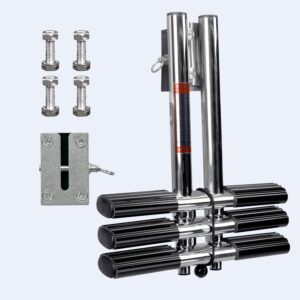
3 Step Boat Ladder, Stainless Steel…
Product description Solid Construction,made of marine grade 304 Stainless Steel,durable and rustproofTelescoping Design,steps fold out and…
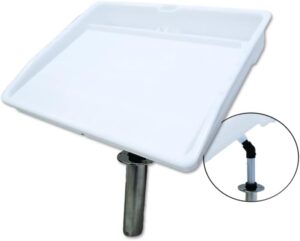
Pactrade Marine Bait Cutting Board …
From the brand Mission of Pactrade Marine Our main goal is to deliver products with the…
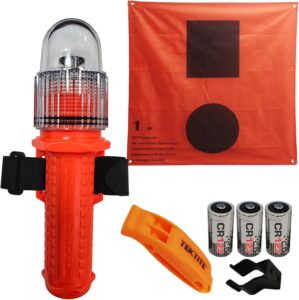
TEKTITE® SOSeFLARE 5 NO MORE FLARE…
From the brand SOSeFLARE 5 & More Safety Kits USCG APPROVED ELECTRONIC DISTRESS SIGNAL KIT –…
