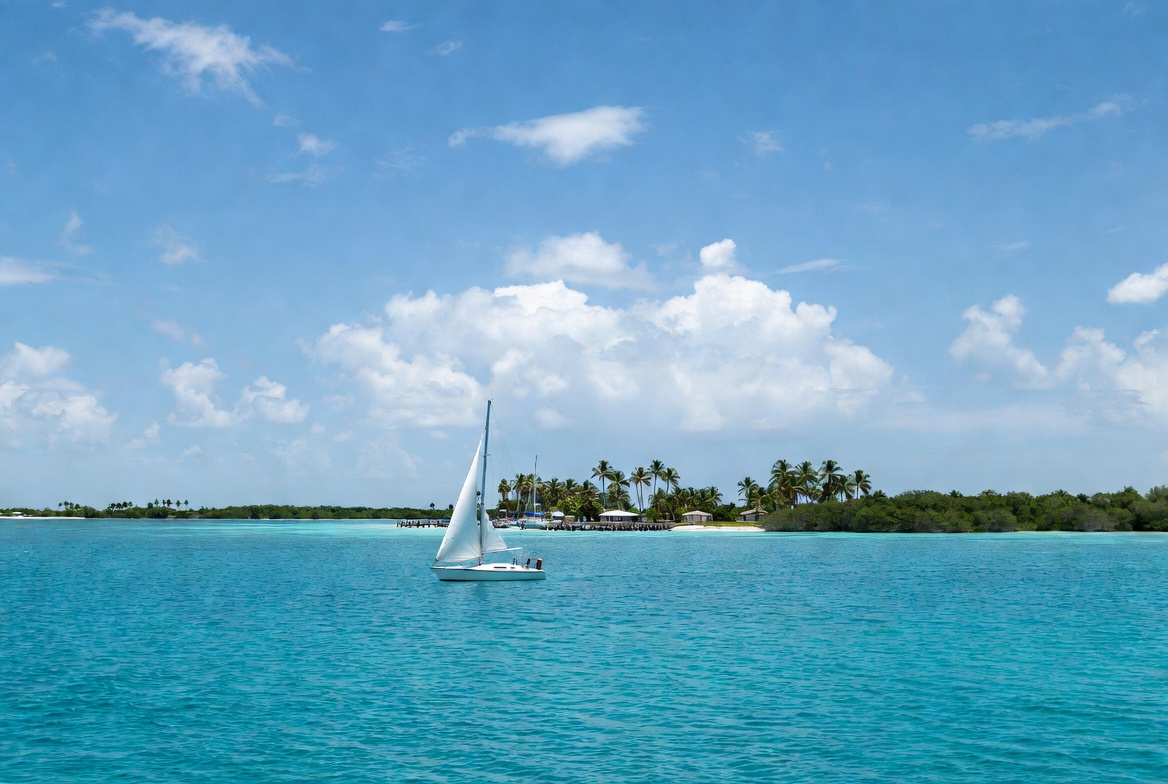
Planning your first sailing trip to the Florida Keys is an exciting milestone. This chain of islands and shallow reefs stretching from Key Largo to Key West is famously beginner-friendly: short hops, protected anchorages, warm water, and a wealth of marinas and services make it one of the best places to learn cruising basics while enjoying spectacular scenery. This guide walks you through why the Keys are ideal for first-timers, how to prepare, suggested routes and anchorages, safety and gear checklists, common beginner mistakes, and practical tips that make your first Florida Keys sailing trip safer and more fun.
Affiliate disclosure: Some links in this guide point to resources and gear pages on USNautics that may earn a commission if you buy through them. I only link to products and resources I’d recommend to a new boater.
Why the Florida Keys are great for beginners
- Protected, short hops: Islands and shallow flats break up long open-water passages. Many days are short sails (5–30 nautical miles) between harbors and anchorages so you can learn in manageable legs.
- Calm, warm water: Tropical water, mild seas, and warm temperatures make for comfortable learning conditions and quick recoveries from mistakes.
- Easy navigation for day-sailing: The route from Key Largo to Key West follows a generally linear island chain with clear markers, channels and regular aids to navigation. That said, charts and local knowledge are still essential.
- Excellent infrastructure: Marinas, provisioning stores, repair yards and charter bases are abundant along the route—perfect for beginners who want quick help or a safe berth if weather turns.
- Natural rewards: Snorkeling reefs, shallow bays, wildlife viewing and calm evenings at anchor make learning more enjoyable and rewarding.
How to prepare for your first sailing trip to the Florida Keys
Choose the right boat
For a first-timer, consider these options:
- Chartered catamaran: Often the best choice—catamarans are stable, have shallow drafts (good for cruising the Keys), lots of living space, and predictable motion. Ideal for groups or families.
- Monohull cruiser (30–40 ft): Good choice if you want a classic sailing experience. Choose a boat with a wheel or tiller that’s well-maintained and suited to your crew size.
- Skippered/bareboat charter: If you lack experience, hire a skipper or book a charter that offers a skipper for the trip. Bareboat companies usually require a sailing resume—don’t hesitate to hire a captain.
Book wisely
Base your trip from one of the main gateways: Miami, Key Largo (near mile marker 100), Marathon (mid-Keys), or Key West. If you’re inexperienced, pick a shorter itinerary from Key Largo or Marathon so you can build confidence before attempting the long hop to Key West.
Essential skills to practice
- Tying basic knots (cleat hitch, bowline, figure-eight)
- Handling lines and halyards under load
- Basic engine checks and use of throttles/gear
- Anchoring techniques and setting rode in sand/muck
- Reading local weather and using a VHF radio
Packing and provisioning checklist
Pack light but cover essentials—sun protection, layers for evenings, and marine essentials. A detailed checklist appears in the table below.
Safety essentials
- Personal flotation devices for every person; consider inflatable PFDs for comfort on long days.
- Throwable flotation device (Type IV)
- VHF radio (fixed and a handheld backup)
- Chartplotter and current nautical charts; download a backup app such as Navionics
- EPIRB or PLB for offshore trips; personal locator beacons for solo crew
- First aid kit and seasickness remedies
- Proper anchoring gear (anchor, chain/rode, and snubber)
- Bilge pump and basic engine spares
For advice on organizing gear and on-board storage, see our guide to Best Boat Storage and Accessories for Boaters in 2026 and compact carry solutions like the Best Boat Tote Bags for Boaters in 2026.
Suggested beginner-friendly itinerary (5–7 days)
Below are two sample itineraries—one starting from Key Largo, another from Miami—with daily legs sized for learning sailors. Distances are approximate; actual miles vary with marina location and channel choices.
5–7 day Key Largo to Key West (recommended for first-timers)
- Day 1 — Key Largo to Islamorada (10–20 nm)
Launch in the morning, settle into boat systems, and make a short hop to Islamorada. Tie up at a marina or anchor in a protected bay. Enjoy a sunset at anchor and dinner on board. - Day 2 — Islamorada to Marathon / Boot Key Harbor (15–25 nm)
Stop for provisions in Islamorada before heading to Marathon. Boot Key Harbor offers an easy, protected anchorage; marinas and services are close by. - Day 3 — Rest or short day sail (Marathon area)
Explore nearby islands, snorkel Sombrero Reef, or visit Marathon’s marina and shops. Use the day to practice anchoring and dinghy handling. - Day 4 — Marathon to Bahia Honda State Park (10–15 nm)
Bahia Honda has a beautiful state-park anchorage and moorings (permit required). Great place for swimming and exploring shore trails. - Day 5 — Bahia Honda to Key West (15–20 nm)
A short final leg into Key West. Approach early to find a legal anchorage or book a slip at Garrison Bight or a nearby marina. Celebrate your cruising success! - Optional days — Local exploration
Spend extra days exploring Key West or returning slowly back up the chain.
Alternative: Miami to Key West (for confident beginners with skipper)
This longer route covers the full length of the Keys and includes some open-water stretches. If you’re new to cruising, consider hiring a skipper for this run. Break it into manageable day sails (Miami → Key Largo → Islamorada → Marathon → Bahia Honda → Key West).
Best marinas and anchorages for first-timers
- Key Largo / Tavernier: Full-service marinas with provisioning and repairs—ideal for launching and final checks.
- Islamorada: Popular marinas and protected anchorages with easy access to local restaurants and supplies. Robbie’s and other docks are nearby for provisioning and tourist stops.
- Marathon / Boot Key Harbor: A roomy, protected harbor with numerous mooring options and slips; good staging point for repairs or rest days.
- Bahia Honda State Park: Sandy beaches and state-park mooring fields—excellent for swimming and easy anchoring in good conditions. Mooring buoys protect reef and are preferable to anchoring on living coral.
- Key West (Garrison Bight, Key West Bight Basin): Multiple marinas and authorized anchorage zones; be sure to confirm local anchoring rules and permits.
Always use mooring buoys where available to protect reefs and follow local regulations—do not anchor on coral. Check local marina websites or call ahead to confirm availability and transient rates.
Practical tips for sailing in the Keys
Weather and seasons
- Best season: November through April offers the most comfortable conditions—milder temperatures, lower humidity, and fewer summer storms.
- Summer & hurricane season: June–November includes hurricane season; avoid planning long trips in the peak hurricane months if you’re inexperienced. Keep an eye on NOAA marine forecasts, and have a plan for quick haul-out or sheltered marina space.
- Daily winds: Expect easterly trade winds and regular afternoon sea breezes that can kick up; plan passages for mornings when winds are gentler.
Tides, currents and shallow water
While tidal ranges in the Keys are relatively small, currents can be strong in narrow channels, around bridges, and near inlet cuttings. Shallow flats, sandbars and patch reefs are common—use updated charts, monitor depth sounders, and favor marked channels. When crossing shallow areas, reduce speed and maintain a lookout. If unsure, favor daytime passages until you know the local waters.
Reef and environmental rules
The Florida Keys National Marine Sanctuary protects coral reefs and seagrass beds. Use mooring buoys, avoid anchoring on coral, and use reef-safe sunscreen. Be mindful of no-anchoring zones and marine protected areas—violations can carry fines and damage sensitive habitat.
Navigation and tools
- Carry paper charts and a reliable chartplotter; download chart apps for offline use.
- Use ActiveCaptain/Noonsite and local cruising guides for marina, bridge and anchorage notes.
- Monitor VHF Channel 16 for safety, and use Channel 9/72 where appropriate for hailing marinas.
Common beginner mistakes (and how to avoid them)
- Underestimating tidal flows and channels: Check tides and currents ahead, slow down in unfamiliar narrow channels, and plan around strong current windows if possible.
- Poor anchoring technique: Practice setting and checking your anchor in shallow sand before attempting deeper or muddier bottoms. Use a snubber and proper scope (5:1 to 7:1 depending on conditions).
- Not using mooring buoys: On coral reefs, always use moorings to avoid coral damage.
- Overpacking: Keep weight and clutter to a minimum. Secure gear to prevent shifting and tripping hazards.
- Skipping local info: Talk to marina staff and other cruisers for up-to-date local knowledge on shoals, temporary hazards, and good anchorages.
Recommended boat storage and gear solutions for Keys trips
Efficient stowage and the right on-board gear make a Keys trip far more enjoyable. Consider these practical upgrades:
- Dry bags and tote systems: Water-resistant storage keeps personal gear dry and organized. See Best Boat Tote Bags for Boaters in 2026 for compact, marine-rated options.
- Fenders and lines: Soft, easy-to-stow fenders with strong dock lines make transient marina visits smooth and safe. Check our boat fenders category for choices.
- Comfort seating: If you’ll be aboard for long days, upgraded seats matter—see our Best Boat Seats for Boaters in 2026 guide to pick durable and comfortable options.
- Shade and rain protection: A bimini top or dodger gives essential sun protection during daytime passages; check the Bimini Tops for Boats options.
- Anchor choices: For the Keys’ sand and rubble, consider a plow or scoop-style anchor plus a light secondary anchor for weed or soft-mud holds. Store rodes and chain in a tidy locker.
Quick checklist table: What to bring and why
| Item | Why it matters | Where to stow |
|---|---|---|
| PFDs (one/person) | Legal requirement and safety | Cabin locker or cockpit locker |
| VHF handheld | Backup comms if main fails | Waterproof pouch on helm |
| First aid kit | Treat injuries and sea sickness | Galley locker or dedicated medical box |
| Reef-safe sunscreen & hat | Protects skin; protects reefs | Top locker or cockpit storage |
| Anchor & rode + snubber | Secure anchorages and reduce strain | Anchor locker |
| Dry bags & tote | Keep clothes/electronics dry | Under-seat or locker |
Day-to-day tips while underway
- Start early: mornings generally offer lighter winds and calmer seas for learning.
- Keep passages short and flexible: plan for options and pull into the closest protected harbor if weather changes.
- Maintain a proper lookout for shallow patches, lobster pots and slow-moving vessels.
- Rotate duties among crew: practice helming, navigation, sail trim and docking so everyone gains confidence.
- File a float plan with someone ashore and check in each day.
Helpful resources
- Local weather / marine forecasts (NOAA)
- Chart apps (Navionics, C-MAP)
- Local cruising guides and marina phone numbers
- free New Boat Owners Handbook — handy for new boaters and charterers
- US Nautics gear and storage guides: Best Boat Storage and Accessories for Boaters in 2026, Best Boat Tote Bags for Boaters in 2026, and Best Boat Seats for Boaters in 2026.
Frequently Asked Questions (FAQ)
1. When is the best time of year to plan my first sailing trip to the Florida Keys?
The prime season for comfortable sailing is late fall through spring (November–April): fewer storms, cooler humidity and steady trade winds. Summer offers warm water and low crowds in some weeks but brings higher risk of tropical storms and intense heat.
2. Do I need previous sailing experience to charter a boat in the Keys?
It depends on the charter company and the boat size. Many bareboat charters require documented experience for larger boats. If you lack experience, hire a skipper or choose a charter that includes a skipper or “delivery” option. Taking a short instructor-led checkout sail is a common and sensible approach.
3. Are there safe anchorages for beginners?
Yes—Boot Key Harbor, Bahia Honda State Park, and protected bays near Islamorada and Key Largo are good options. Use moorings where possible, check depth and holding, and practice setting a stern or bow anchor in calm conditions before relying on one in strong winds.
4. Can I snorkel near anchorages and reefs?
Absolutely—snorkeling is one of the Keys’ biggest draws. Use marked mooring buoys (never anchor on live coral), follow local rules, and wear reef-safe sunscreen. Popular snorkeling spots often have designated moorings to protect coral.
5. What are the biggest hazards for new sailors in the Keys?
Shallow flats, unexpected current in channels, coral reefs, and changing afternoon winds are the main challenges. Proper preparation—charts, local knowledge, conservative routing, and using mooring buoys—reduces risk significantly.
6. How should I plan for provisioning and fuel?
Major towns (Key Largo, Islamorada, Marathon, Key West) have good grocery stores and fuel docks. Plan to top off fuel and water at major stops; call marinas ahead if you need a slip or fuel reservation during season.
7. Is night sailing recommended for first-timers?
Avoid night passages until you have local knowledge and strong crew experience. Day sailing keeps navigation and anchoring simpler and gives better chances to assess weather and sea conditions.
Conclusion — Start planning and learn as you go
The Florida Keys are a superb place for your first sailing adventure: sheltered waters, short and scenic passages, and abundant resources make learning fun and relatively low-risk. Start with a conservative itinerary from Key Largo or Marathon, choose a stable boat type (consider a catamaran), practice essential skills before you leave, and prioritize safety gear and local knowledge.
Use the links and checklists in this guide to plan provisioning and gear. If you’re new to boat systems or anchoring, consider a skipper or a short hands-on checkout charter to build confidence. For storage and gear ideas that make life aboard easier, check our guides on boat storage and accessories, boat tote bags, and boat seats. You can also download our free New Boat Owners Handbook for more practical checklists.
Get your crew briefed, file a float plan, book a comfortable boat, and set an easy first itinerary. The Keys reward careful planning with unforgettable sunsets, calm anchorages, and a natural cruising classroom for new sailors—now’s the time to start planning your first Florida Keys sailing trip.
