
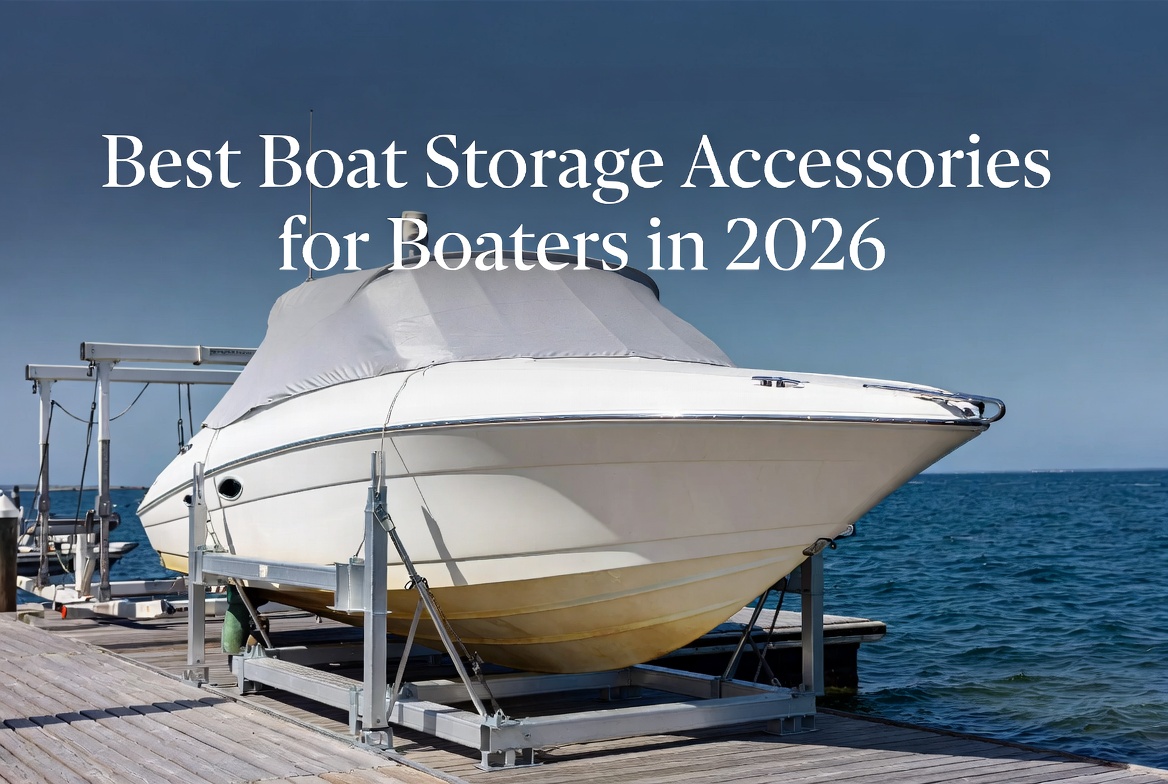
Affiliate disclosure: This article includes product examples and links to items available through affiliate partners. If you buy through those links, US Nautics may earn a commission at no extra cost to you. We select products and write these guides to help boaters pick safer, more practical gear for storing and protecting boats.
Quick summary — who this guide is for
This extensive guide is for boat owners who want secure, practical, and cost-effective ways to store their boats in 2026. Whether you own a pontoon, center-console, bass boat, jet-ski, or trailerable bowrider, you’ll find: a plain-language overview of storage types (indoor, covered, outdoor, dry stack, slips, trailer), a compact comparison table, practical buying and prep checklists, and accessory recommendations that improve protection and organization while your boat is stored.
Top-level boat storage options (overview)
Before jumping into accessories, it helps to understand the main storage categories and what they protect your boat against: sun/UV damage, rain/moisture, theft, critters, and mechanical/environmental damage.
- Indoor warehouse / heated storage: Best protection from weather and UV; typically most expensive. Good for long-term storage, winterizing, and high-value boats.
- Dry stack storage (rack storage): Boats are stored on racks in a covered building and launched with a forklift. Good for fast access and space efficiency, moderate cost.
- Marina slip (wet storage): Boat stays in water at a dock. Convenient but exposes hull to fouling, requires regular maintenance and sometimes added security measures.
- Boat lift / personal lift at dock: Keeps hull out of water when docked to limit growth and osmosis risk; good for lakes and calm waters but requires lift installation and maintenance.
- Covered outdoor (canopy/carport or frame cover): A budget-friendly compromise — protects from sun and rain but not as secure as indoor storage.
- Trailer / driveway storage: Very common for trailerable boats — control and convenience, but watch theft risk and weather exposure unless covered.
- Shrink-wrap (winter wrap): Effective temporary protection for winter; needs quality wrapping and proper venting to avoid moisture traps.
- Self-storage units: Good for smaller boats and personal watercraft, sometimes affordable and secure, but size limits apply.
Simple comparison table — choose based on needs
| Storage Type | Typical annual cost | Protection Level | Best for |
|---|---|---|---|
| Indoor warehouse | $1,000–$5,000+ | High (full weather & UV) | High-value boats, winter long-term |
| Dry stack | $600–$3,000 | High (covered) | Frequent users wanting fast launch |
| Marina slip (wet) | $500–$3,000 | Medium (mooring exposure) | Daily/weekly users, live-in dockers |
| Lift at dock | $2,000–$20,000 install | High (keeps hull dry) | Lake owners, long-term keepers |
| Covered outdoor | $200–$2,000 | Medium (sun & rain) | Budget-minded owners, pontoons |
| Trailer / driveway | Low to none | Low to medium (depends on cover) | Trailer boaters, seasonal users |
Key storage decisions — what to prioritize
When you pick a storage solution, weigh these priorities:
- Protection needs: UV and moisture are the most common culprits in long-term damage.
- Access frequency: Dry stack or slip if you use the boat weekly. Indoor if you store long-term and require service access.
- Budget vs. value: High-end storage reduces maintenance but costs more annually.
- Security: Look for gated facilities, cameras, or on-boat locks if theft is a risk.
- Local climate: Saltwater environments and humid climates need ventilation and anti-corrosion plans.
Storage accessories that make a real difference
Beyond choosing a storage type, the right accessories improve protection, prevent damage during storage and transit, and help keep gear organized. Below we cover practical items (covers, fenders, anchors, dry storage accessories, and safety/organization tools), and provide product-specific notes on the items chosen by US Nautics.
Comparison of recommended storage accessories
| Accessory | Primary use | Good for | Price indicator |
|---|---|---|---|
| Pontoon boat cover (5-ply) | Full-boat waterproof cover | Pontoons, large boats under canopy | $169.99 |
| Inflatable fenders (BABZ) | Dock protection | Pontoons, docks, tight slips | $43.99 |
| Screw-in sand anchor | Temporary mooring | PWC, kayaks, shallow-water mooring | $29.92 (sale) |
| Waterproof phone pouch (Pelican) | Protect valuables | Any boater, storage instances near water | Check latest price |
| Waterproof marine first aid kit | On-boat safety & storage | Any boat, stored/in-trip safety | $28.99 |
| RV/Wall phone holder | Workshop/garage organization | Owners who keep boats in garages/sheds | $8.99 |
Individual product notes — how each accessory helps with storage
Pontoon covers (5-ply 1600D + 1200D)
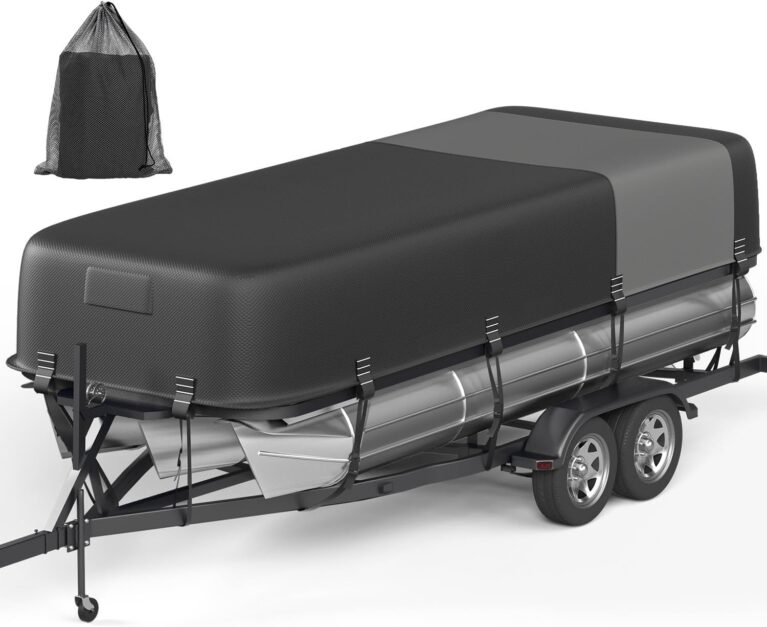
5-Ply 1600D+1200D Pontoon Boat Cove…
From the brand Tuszom NO BEST, ONLY IS BETTER. Founded in 2000, Tuszom has been developing better quality and more convenient boat covers for many years, and now we have more than 20 years experience in producting boat…
Why it matters: A heavy-duty, multi-layer pontoon cover is one of the fastest ways to protect a pontoon’s deck and upholstery from sun, rain, and bird/rodent damage while stored outdoors or under a canopy. Multiple fabric layers (for example 1600D face fabric + 1200D secondary layer) improve tear resistance and UV life.
- Who it’s best for: Pontoon owners who keep boats outside on a trailer or under an open carport, and want a durable, reusable cover for seasonal storage.
- Key strengths: Heavy-duty fabric, reinforced straps, included storage bag, waterproofing.
- Possible drawbacks: Bulkier and heavier than light covers — requires a good storage bag and two people to install on larger pontoons. Tight fit is essential to avoid wind-flap abrasion.
- Boater type: Seasonal pontoon owners, lakefront owners without lift, renters who store on trailer.
Pros:
- Durable multi-ply construction
- Better water resistance and tear strength than lightweight covers
- Often includes straps and storage bag
Cons:
- Heavier and bulkier; takes storage space
- Must be vented and tied correctly to avoid trapped moisture
BABZ – The Original Inflatable Boat Fenders
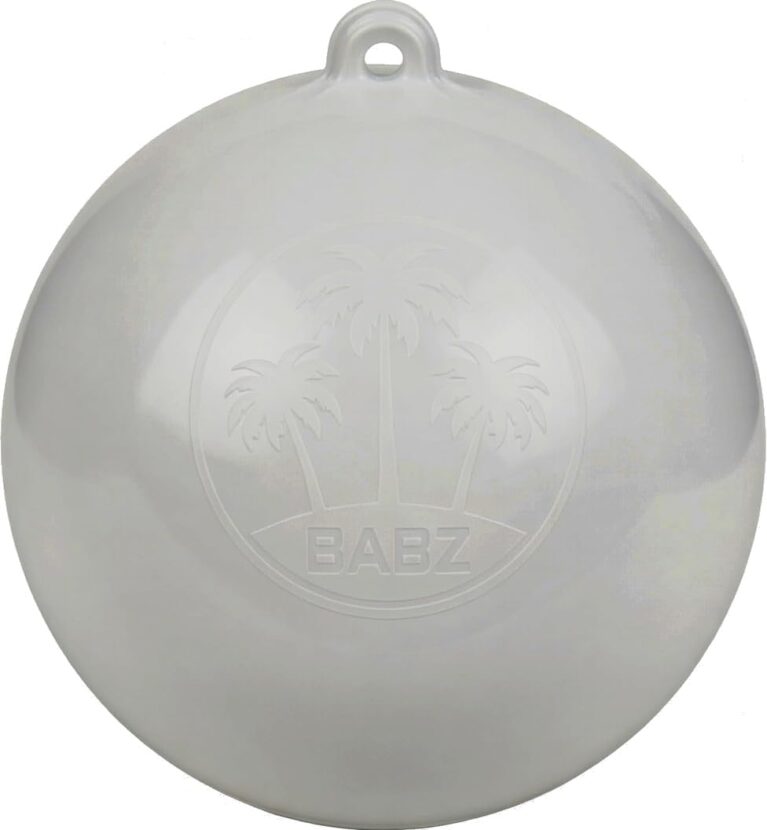
BABZ – The Original Inflatable Bo…
From the brand BABZ Fenders are durable, easily stored, and won’t scuff a boat’s delicate gel coat. BABZ BABZ is a company that specializes in creating high-quality boat fenders. These fenders were born out of a need for…
Why it matters: While fenders aren’t a storage method, they’re essential when leaving a boat in a slip or tied to a mooring — especially when a stored boat will remain on the water. Inflatable, soft fenders that won’t scuff gelcoat help protect the hull and rub rails during wind, surge and bounce while docked.
- Who it’s best for: Docked or slip-stored boats (pontoons, small cruisers, PWCs) that need soft, compact fenders which are easy to store on board or in a locker.
- Key strengths: Soft PVC gel-safe material, compact when deflated, easy to stow in a locker.
- Possible drawbacks: Inflatable fenders require occasional inflation checks; heavy-duty docks with sharp edges may still cause damage without a properly sized fender.
- Boater type: Slip renters, pontoon moorers, trailer boaters who keep a fender kit on board.
Pros:
- Gelcoat-safe, soft protection
- Inflates/deflates for easy storage
- Relatively affordable
Cons:
- Need to monitor air pressure
- Not a substitute for fixed dock bumpers in high-impact areas
22″–44.5″ Screw-in Sand Anchor (304 stainless auger)
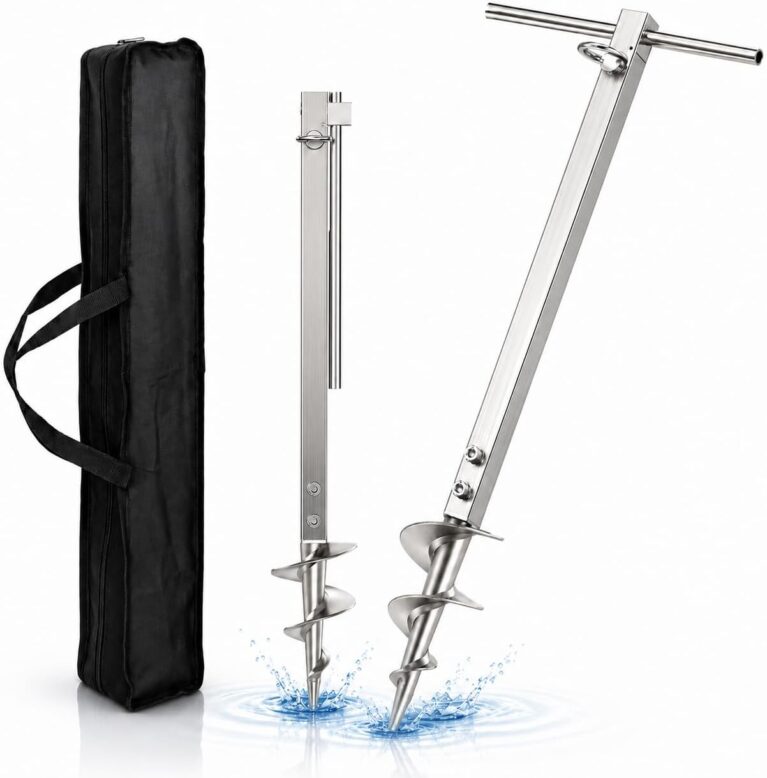
22″ 44.5″ Screw-in Sand…
To calculate the overall star rating and percentage breakdown by star, we don’t use a simple average. Instead, our system considers things like how recent a review is and if the reviewer bought the item on Amazon. It…
Why it matters: A screw-in sand/auger anchor is useful for temporary mooring of small boats, pontoon anchors in shallow water, and securing personal watercraft. For boaters who winter on anchor or occasionally moor in a protected bay, an auger anchor provides a strong hold in sandy or soft bottoms.
- Who it’s best for: Small craft owners, kayak and PWC owners, and pontoon owners who fish or anchor in shallow, sandy bottoms.
- Key strengths: Stainless steel construction, self-locking nuts, heavy-duty design for shallow-water holding.
- Possible drawbacks: Not suitable for rocky bottoms or heavy weed beds. Installation can be tougher in compacted sand.
- Boater type: Anglers, pontoon day users, jet-ski owners who need temporary mooring solutions.
Pros:
- Good holding power in sand
- Compact and storable on board
- 304 stainless for corrosion resistance
Cons:
- Limited to certain bottom types
- Requires proper removal tools/technique
Price note: The listed price showed a sale reduction (example: $45.99 orig., $29.92 current). Check the product link for the latest price and sizes before purchase.
Pelican Marine Waterproof Phone Pouch (floating, IP68)
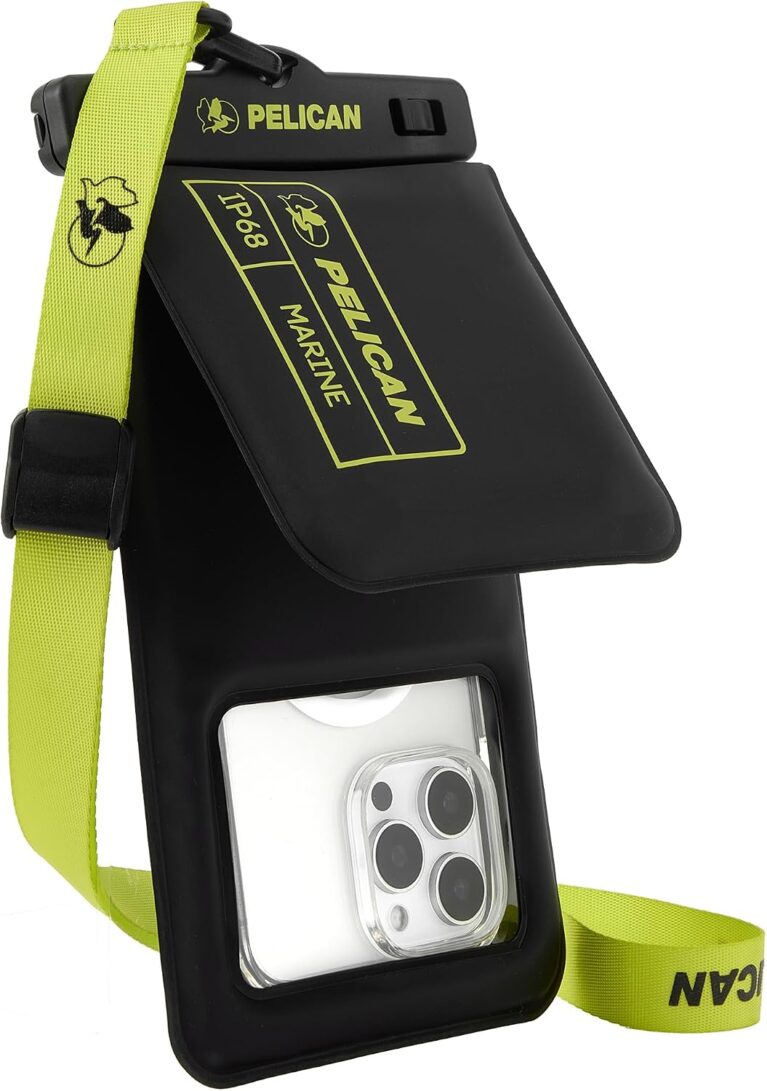
Pelican Marine Waterproof Phone Pou…
With the Pelican Marine Waterproof Floating Pouch with Storage Pocket (Large), you can keep your phone and valuables dry and protected no matter where you go. The innovative design with a built-in storage pocket provides extra space to…
Why it matters: Protecting small valuables while in storage is often overlooked. If your boat is stored at a marina or workshop with occasional water exposure, a floating, waterproof phone pouch with an extra storage pocket is a small, inexpensive accessory to keep phones, keys, and documents dry while you handle lines, covers, or cleaning.
- Who it’s best for: Any boater who spends time near water during maintenance, or who wants waterproof storage for a phone while loading/unloading in wet conditions.
- Key strengths: IP68-rated protection, flotation, detachable lanyard, extra storage pocket for cards or cash.
- Possible drawbacks: Not a replacement for lockable dry boxes for valuable electronics — good for short-term use and transit.
- Boater type: All boaters, especially those who work around water or perform storage tasks with wet conditions.
Pros:
- Floating design reduces loss risk
- Touchscreen-compatible while sealed
- Lightweight and inexpensive
Cons:
- Limited space—won’t hold tablets or larger electronics
- Not a locked secure container for valuables
Marine Waterproof First Aid Kit (floating hard case)
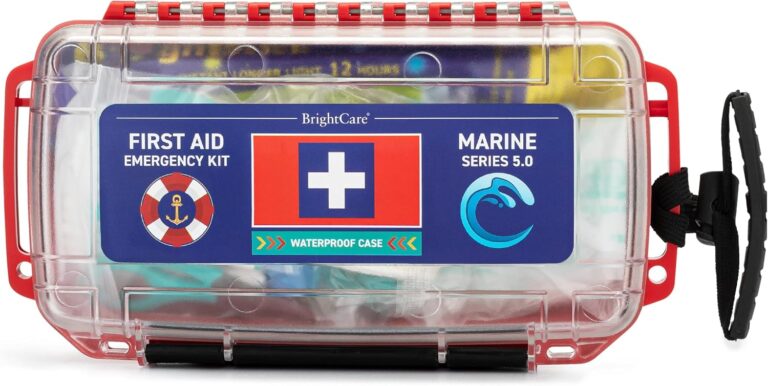
Marine Waterproof First Aid Kit for…
Product description Waterproof Marine First Aid Kit Stay safe on the water with this marine first aid kit designed for boats, kayaks, sailing, and beach use. Featuring a waterproof floating case, bright orange shell, and clear lid, it…
Why it matters: A watertight, floating first aid kit is a small but essential item to store with your boat whether it’s in dry storage, on a trailer, or in a slip. For owners storing boats at remote facilities or leaving them in the water, having a sealed kit ready for work or emergency tasks prevents supplies from deteriorating in humid environments.
- Who it’s best for: Boat owners of any size vessel, especially those who trailer and may work on their boat in open areas, or who leave boats at marinas.
- Key strengths: Waterproof hard shell, floating capability, visible color for quick spotting, tailored marine supplies.
- Possible drawbacks: Must be checked periodically to replace expired items and to confirm waterproof seal integrity.
- Boater type: All boaters concerned with basic onboard safety and preserving supplies during storage.
Pros:
- Waterproof case protects contents from moisture
- Portable and easy to stow in locker
- Better than a standard first aid kit left loose
Cons:
- Limited space—carry supplementary meds as needed
- Needs periodic inventory and replacement of expired items
RV Accessories: Phone wall holder (2 pcs)
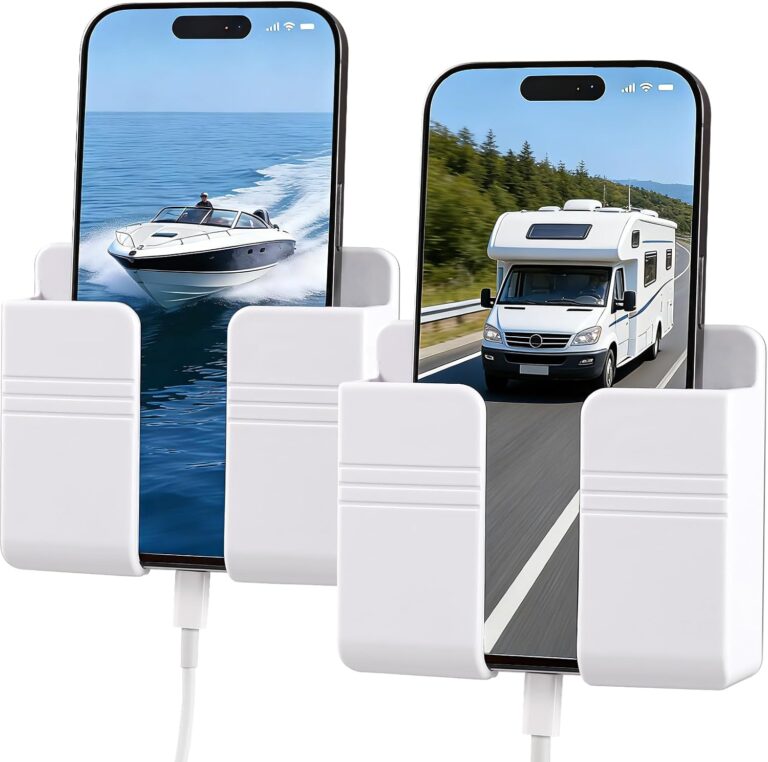
RV Accessories: Boat Accessories &#…
Product description living room essentials // bed room essentials // rv decor // wall organizer for bedroom // apartment must haves camper decor for inside // camper organization // phone shelf // phone holder wall // room accessories…
Why it matters: For boat owners who keep boats in garages, storage sheds, or workshops, small organizational accessories like a simple wall-mounted phone shelf help keep phones, lanyards, and small tools handy while you work on winter prep or maintenance. A cheap, lightweight wall holder helps reduce clutter and keeps a phone from falling into the bilge or on a wet deck.
- Who it’s best for: Owners who store and maintain boats at home in a garage or shed and want inexpensive organization solutions.
- Key strengths: Low cost, easy mount, keeps phones off wet or dirty surfaces.
- Possible drawbacks: Basic product — not a theft deterrent and not necessarily built for heavy tools.
- Boater type: DIY maintainers, garage-stored boat owners, and those who want low-cost organization while working on a stored boat.
Pros:
- Very affordable and simple to install
- Helps prevent phone damage during work
Cons:
- Minimal capacity — just small items
- Not specialized marine hardware
Practical boat storage checklist — prepare before you store
Use this checklist before you move your boat into any storage type. It saves time and reduces the risk of damage while stored.
- Clean the boat (wax hull, remove food and trash) to discourage pests and reduce corrosion — see boat cleaning supplies.
- Stabilize and top off the fuel tank; add fuel stabilizer if storing for months to prevent varnishing of fuel system.
- Fog or winterize the engine per manufacturer guidelines; drain and protect cooling systems where required.
- Disconnect batteries and store on a trickle charger in a dry place (see boat battery chargers).
- Remove electronics or secure them in waterproof containers (Pelican pouches are handy for small devices).
- Ventilate the boat: open lockers slightly or use vented shrink-wrap to avoid mold and trapped moisture.
- Use tie-down straps and transom supports if storing on a trailer; check jack stands and trailer tires.
- Document condition with photos and inventory—helpful for insurance and maintenance planning.
- Place a floating first aid kit or waterproof essentials in a known locker for maintenance tasks or to leave on board if stored in a slip.
Security, insurance, and maintenance during storage
Security and occasional maintenance visits reduce risk. These practical steps are recommended:
- Install a locking tongue for trailers and consider wheel locks if parked somewhere public.
- For slips, use secure cleat locks or hinged pin locks and consider a small GPS tracker if theft risk is moderate to high.
- Check your policy: insurance coverage can change based on storage type. Ask if your policy requires covers, shrink-wrap, or professional winterization.
- Visit your stored boat monthly if possible — check for leaks, pests, battery charge, and properly secured covers. Keep essentials like a waterproof first aid kit and inflatable fenders accessible.
Choosing accessories by boater type
Match accessory choices to your storage and boating habits:
- Weekend trailer boater: Priorities — lightweight cover, tie-downs, wheel chocks. Consider the Pelican waterproof pouch for transient weather and a compact floating first aid kit in the glovebox.
- Pontoon owner with outdoor storage: Priorities — heavy-duty pontoon cover (see product), multiple fenders for dock protection, and periodic vent checks.
- Slip/dock-based owner: Priorities — fenders (BABZ), lockable cleats, floating first aid kit, and frequent hull inspections. Consider a lift if available and allowed.
- Sailboat or small craft in shallow areas: Priorities — auger/screw-in anchor for temporary moorings, vented shrink-wrap for winter storage, and routine maintenance during off-season.
- Workshop/Garage storage: Priorities — simple organization accessories like the RV wall phone holder, battery chargers, and good lighting to maintain the boat while stored.
How much should you budget?
Costs vary widely by region and boat size. Use these ballpark figures:
- Indoor storage: $1,000–$5,000+ per year, depending on region & boat length.
- Dry stack: $600–$3,000 per year depending on size and marina.
- Marina slip: $500–$3,000 per year.
- Covered outdoor with good heavy cover: $200–$2,000 (one-time or annual depending on whether cover is stored or rented).
- Accessories like heavy covers, fenders, and a first aid kit: expect to spend $100–$500 for a quality kit tailored to your boat.
Final recommendations
Choose the storage that matches how often you use the boat, your maintenance plan, and climate. If you can afford indoor or dry stack storage, you’ll reduce long-term maintenance. If you store outdoors, invest in a heavy-duty, well-fitted cover (for pontoons use the 5-ply option) and protect contact points with soft fenders. Keep basic safety and organization tools — like a waterproof phone pouch and a floating first aid kit — accessible. Small investments in good covers, fenders, anchors, and organization pay off by reducing repair bills and preserving resale value.
FAQ — practical storage questions
Below are common concerns boat owners have about storage, with direct, actionable answers.
1. How do I choose between indoor storage and dry stack?
Answer: Choose indoor storage if you want the highest protection (e.g., for very valuable boats or long-term wintering) and you need room for service work. Dry stack is a good balance for frequent users who want fast launch/return without the cost and space requirement of a full indoor building. Consider local availability and your budget.
2. Can I leave my boat covered outside all year?
Answer: Yes — with caveats. Use a heavy-duty, breathable cover designed for your boat, ensure proper venting to prevent condensation, and secure it against wind. Regularly check for water pooling, animal nests, and wear points where straps rub. For saltwater or very humid climates consider additional corrosion control.
3. How should I store batteries during winter storage?
Answer: Remove batteries if possible and store them in a cool, dry place on a maintenance charger or trickle charger. If you leave them on board, disconnect to prevent parasitic drain and periodically charge them to maintain battery health.
4. Is shrink-wrap better than a fitted cover?
Answer: Shrink-wrap provides very good short-term protection (especially for winter) and seals tightly, but it requires proper venting to avoid trapped moisture and typically must be professionally applied. A fitted cover is reusable, easier to remove, and preferable if you need regular access during storage season.
5. How often should I check on a stored boat?
Answer: Monthly checks are a good rule of thumb. Look for water intrusion, rodent activity, cover condition, and battery state. In humid climates check more often for mold and mildew.
6. What small accessories help most with stored-boat protection?
Answer: A high-quality cover for the boat type, soft inflatable fenders for slip-stored boats, a floating waterproof pouch for electronics, a waterproof first aid kit for working on or near the water, and simple organization like wall-mounted holders if you work in a garage.
7. Can I store my boat on the trailer at a public lot?
Answer: Yes, but understand risk levels. Use a tongue lock, wheel lock, and remove valuables. Consider insurance limitations for public storage locations and check facility security (gates, cameras). If possible, opt for a facility with on-site staff or controlled access.
If you want detailed storage checklists for a specific boat type (pontoon, fishing boat, ski boat, sailboat), or help choosing a cover size and type, send your boat make/model and storage location and we’ll tailor recommendations.
Useful links on US Nautics: Boat Covers & Storage, Boat Storage Guide: Indoor, Outdoor, and Covered Options, Boat Storage Units: What Boat Owners Should Know, Boat Fenders, and Marine storage & organization.
